Features
Cult Icons in Japanese Wine and Food
These Japanese winemakers are making headwinds both in Japan and globally, while still keeping true to their identities.
1 August 2026
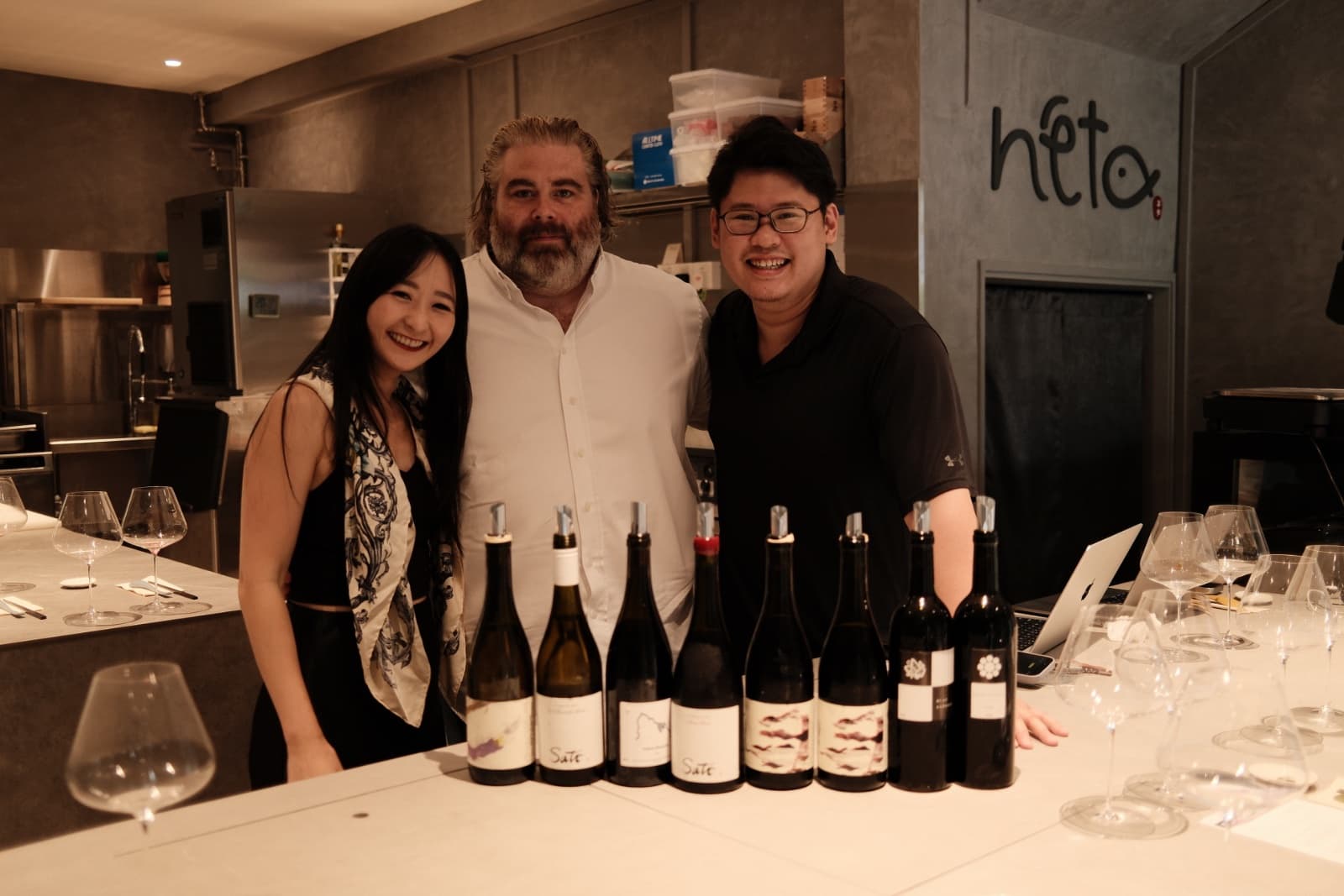
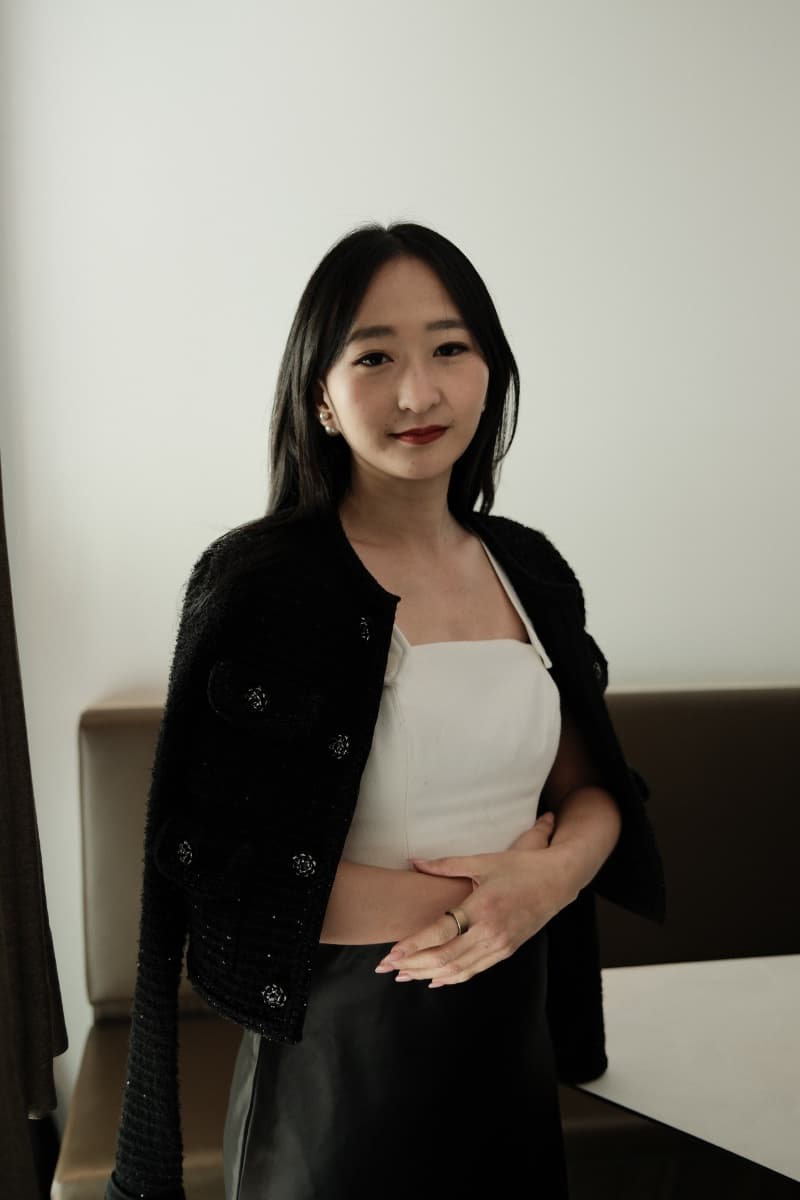
Jaclene Liew, Moritz Deyle and Robin Teo. Three brands, three individuals, sharing an appreciation for craftsmanship in wine and in food.
There's a global reverence for Japanese craft that's easy to dismiss as simply branding. But years of being exposed to Japanese cuisine and ingredients, and now witnessing Japanese winemakers making wine around the world, has convinced me otherwise.
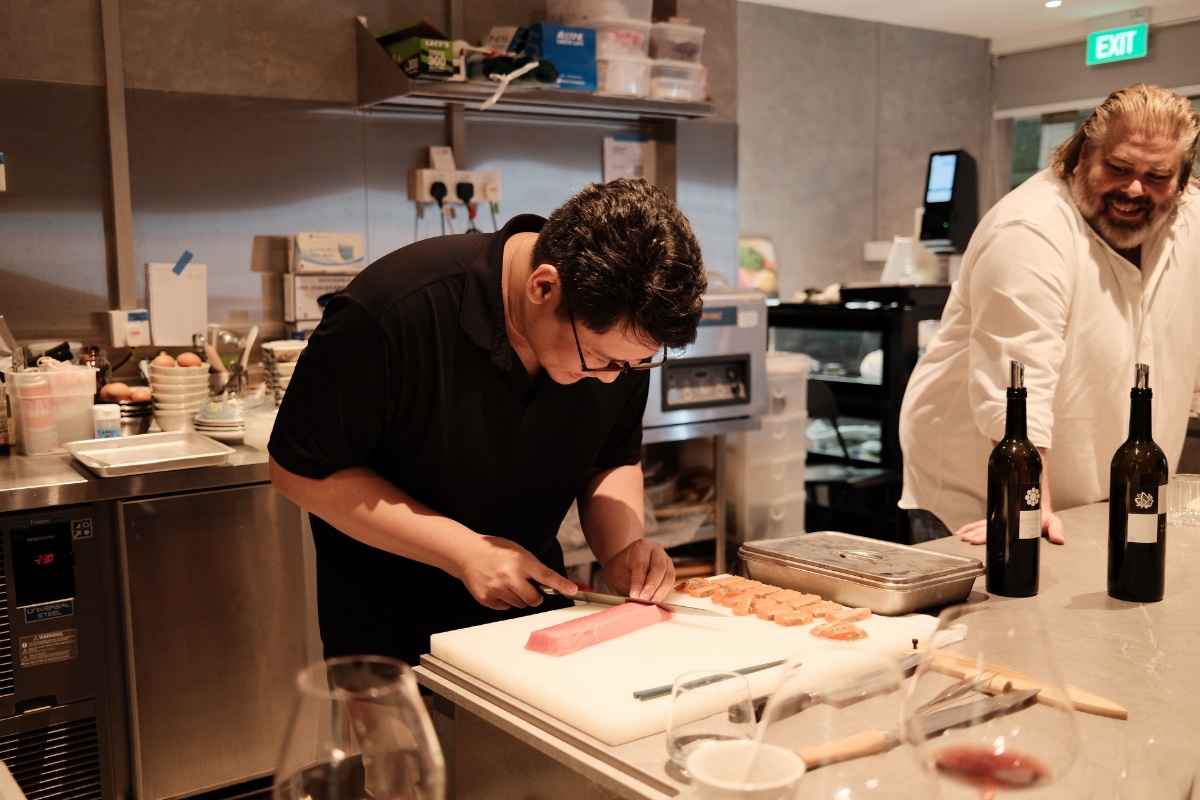
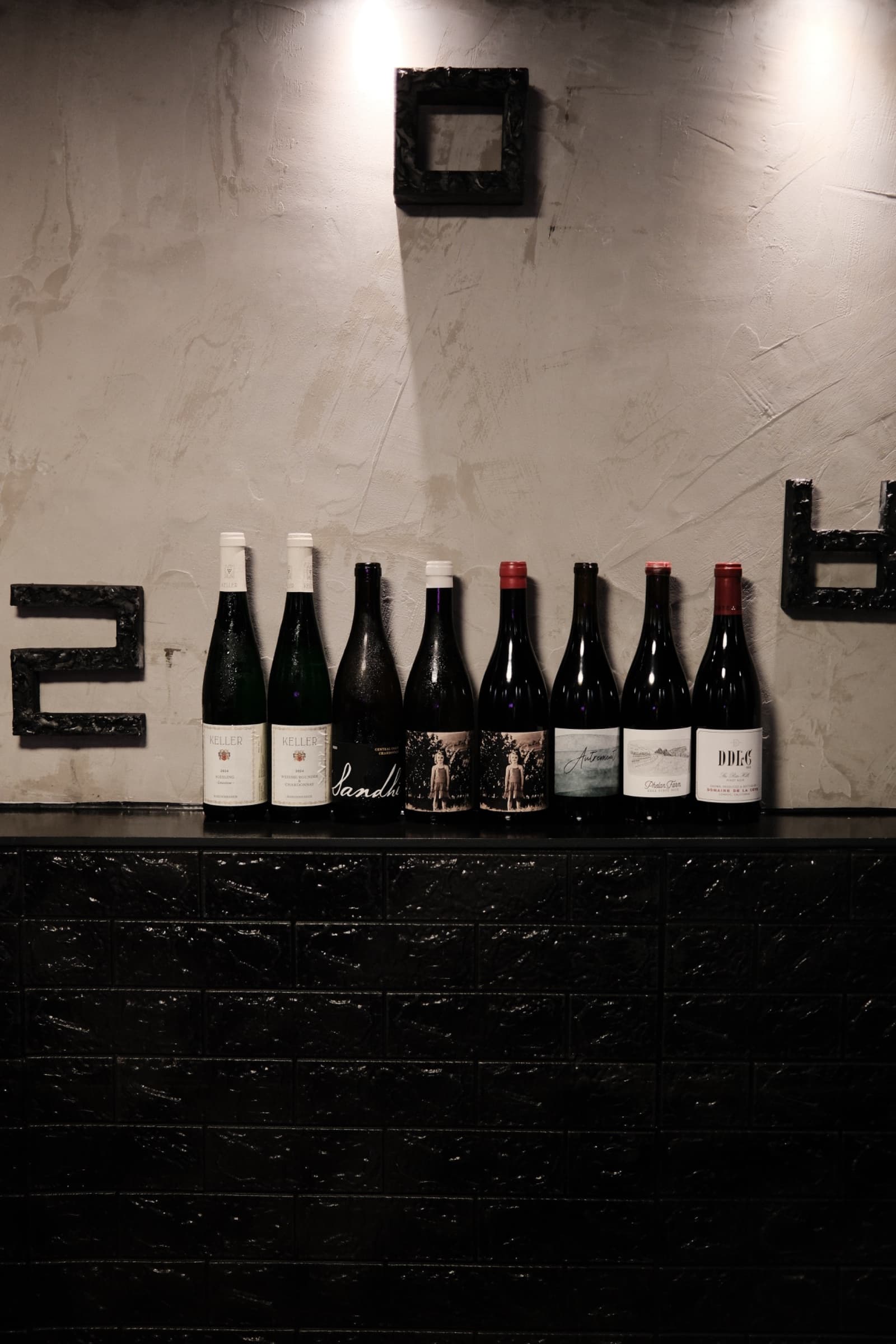
On paper, the menu looked straightforward to pair: four flights, eight wines, one seafood-led dinner. In practice, when presented with a blank canvas of fresh Japanese ingredients at my disposal from Soshisen and Neta, and it asked of something more precise than just putting wines right next to the courses.
Monozukuri is a Japanese philosophy that contributes to the level of mastery in many of these Japanese wines. It literally translates to "making things", but the actual meaning goes deeper than that. Monozukuri views craft as being holistic, implying an organic synthesis of mind, body, material, and technique. That is also the approach to which we crafted that evening.
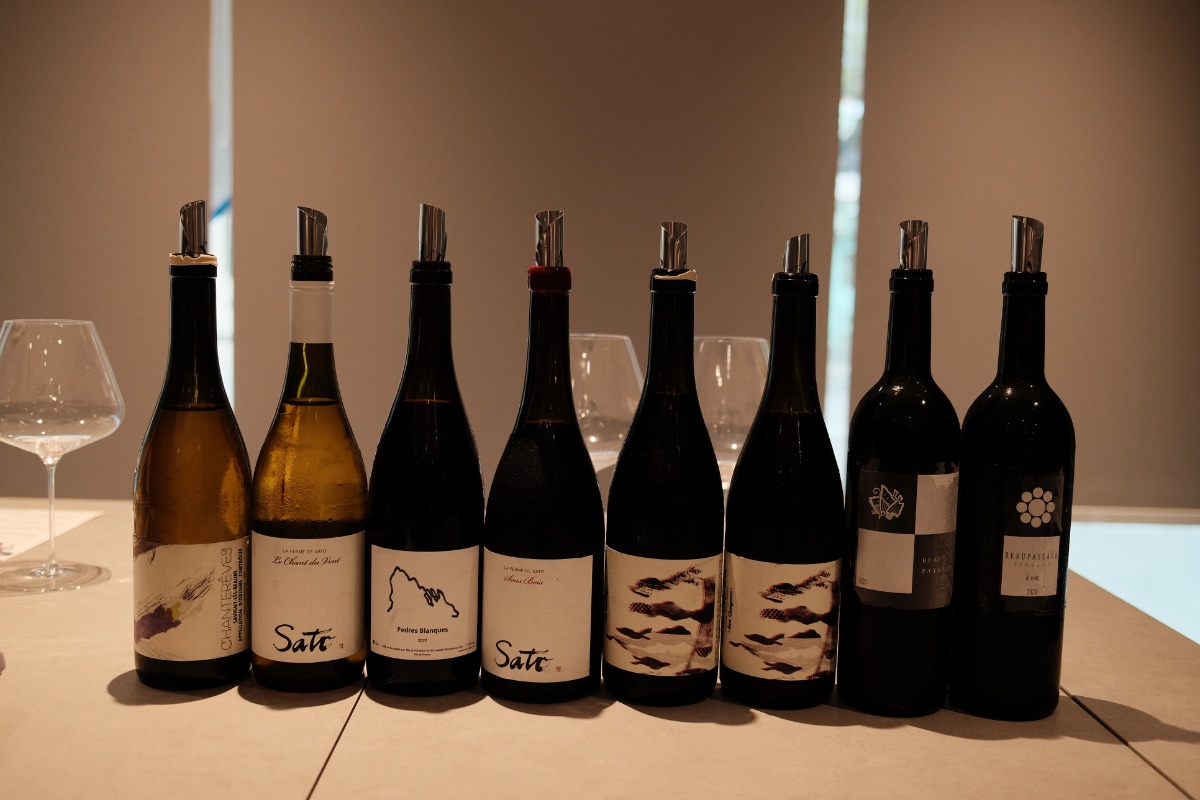
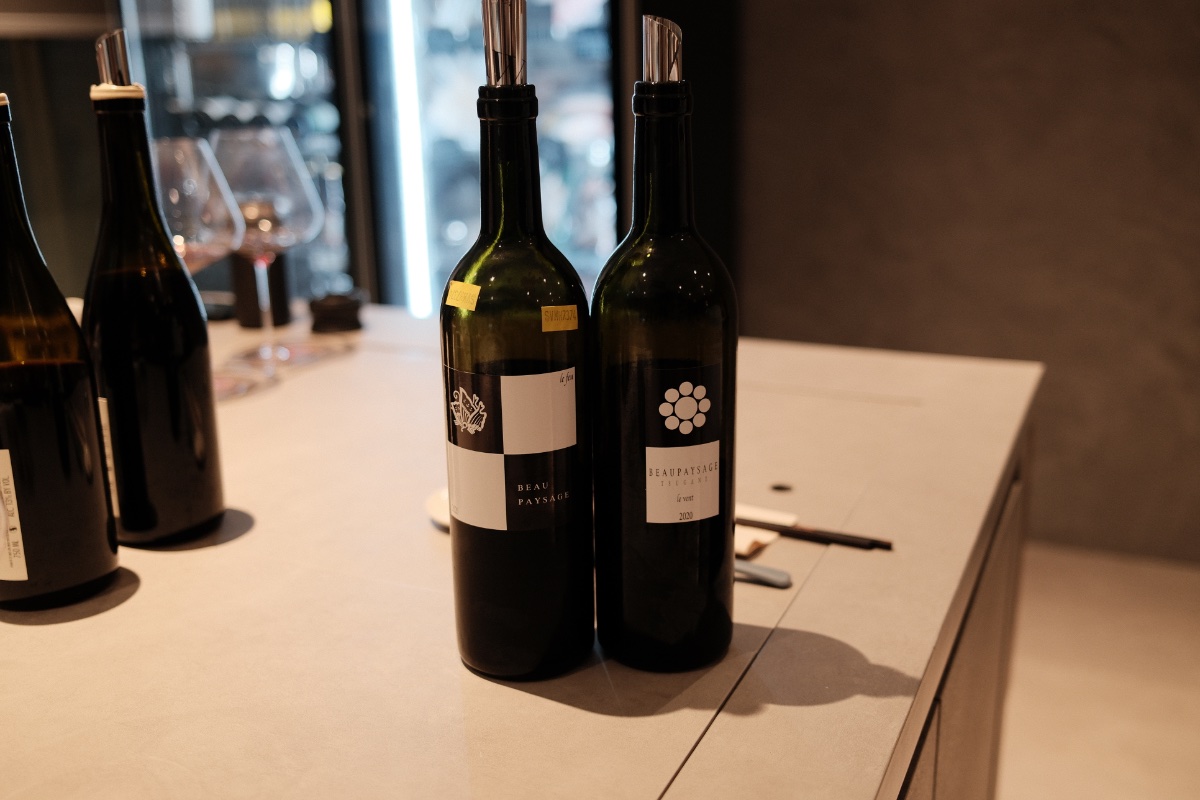
The common thread running through this lineup is not just the mastery of low-intervention craftsmanship, but showcasing dedicated Japanese winemakers pushing boundaries both globally and at home. As with many of AWR's dinners, selling out was not a difficult feat. The difficult feat is hoping for the waitlist to have a drop out.
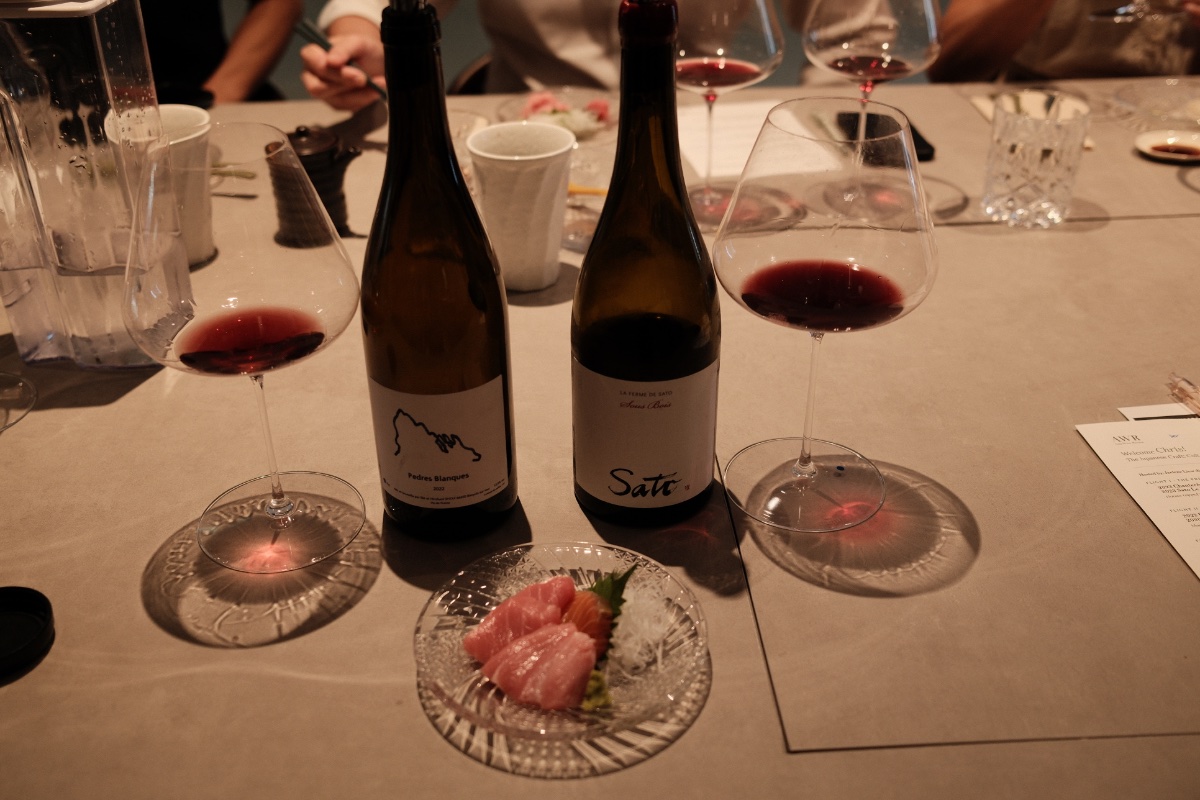
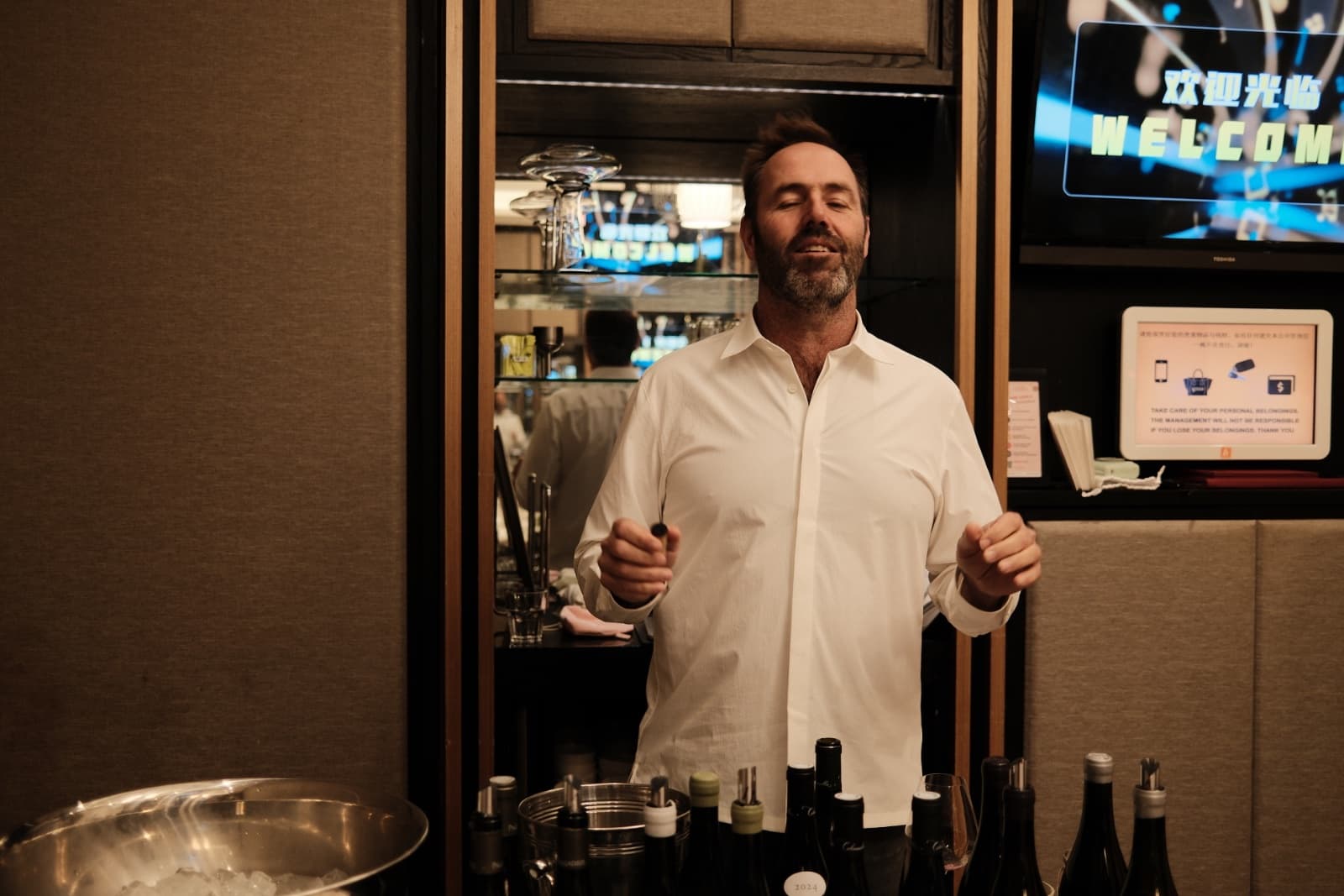
The event opened with attendees tasted through tasting portions of all eight wines, led by General Manager of Artisan Cellars Moritz Deyle and AWR Editor-in-Chief Jaclene Liew. After which, dinner was served and wines were paired accordingly.
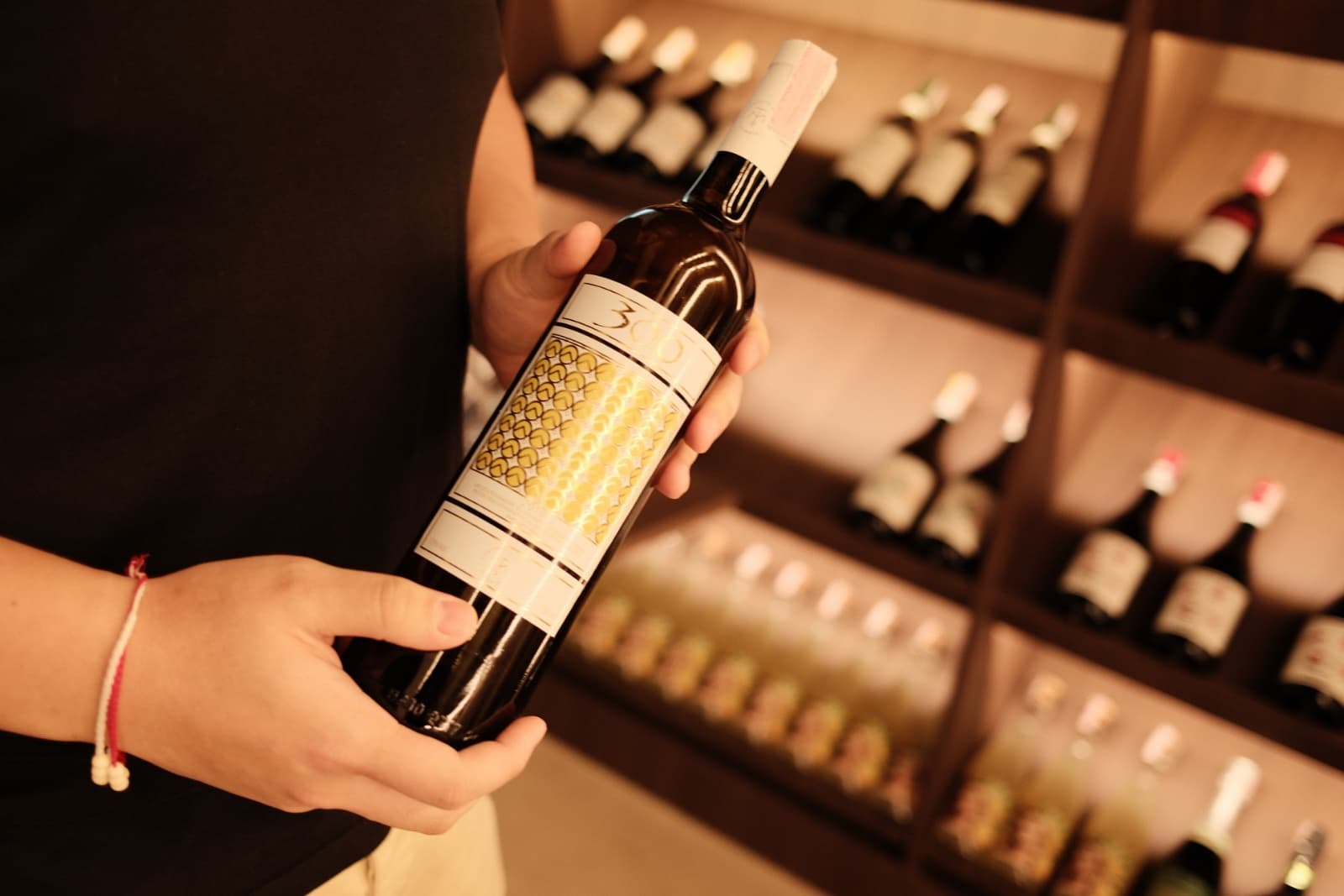
Each of these producers showcased are highly acclaimed in their own right, with these wines available only on allocation.
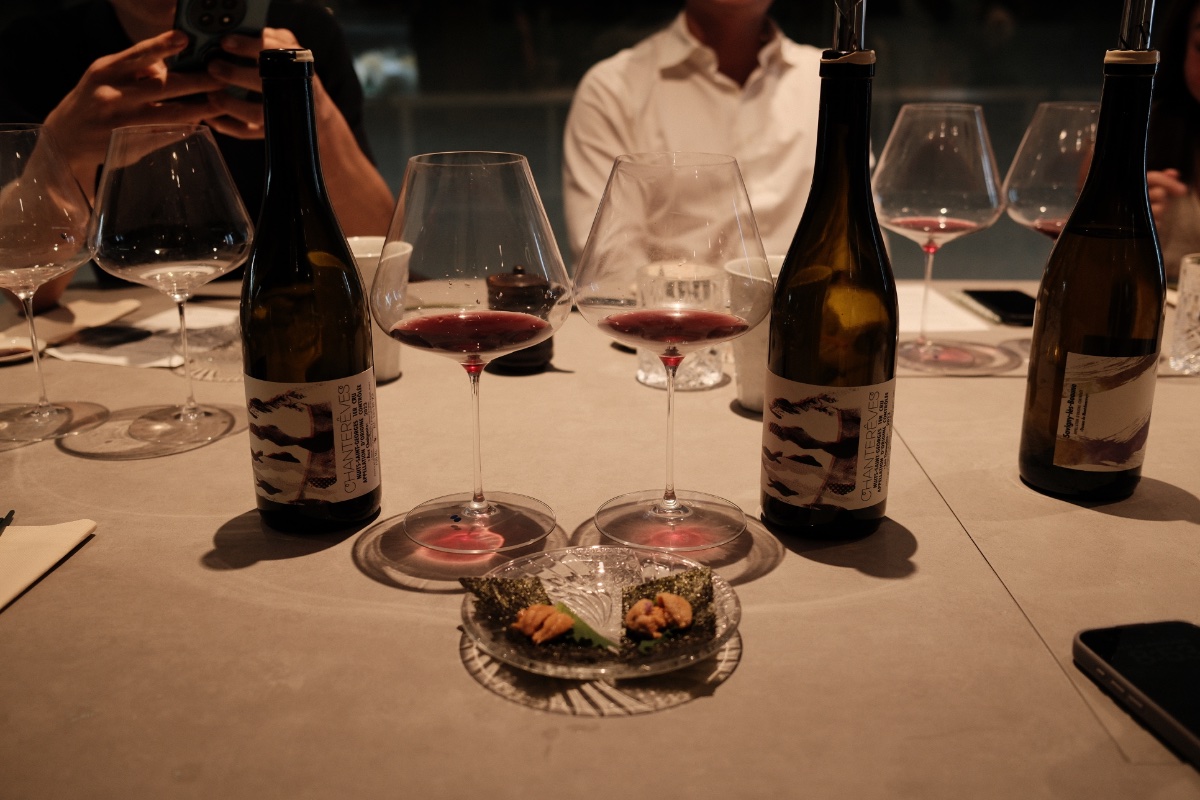
Tomoko Kuriyama and Guillaume Bott built Maison Chanterêves in Savigny-lès-Beaune combining Japanese elegance, German precision, with Burgundian terroir. They built a micro-négociant house from scratch, but have recently acquired their own estate vineyards. Their wines are incredibly vibrant, with a lingering minerality that stays on the palate long after.
Tasting the Nuits-Saint-Georges 1er Cru Aux Chaignots and Les Damodes side by side shows their masterful expression of the terroir. Les Damodes sits diagonally adjacent to Vosne-Romanée 1er Cru Les Malconsorts and is higher up on the slope. On the other hand, Aux Chaignots is mid-slope with deeper and richer marly-limestone topsoil mixed with limestone scree. The Aux Chaignots stood out as the more serious wine of the two, with a more concentrated nose and structured palate. When paired with these freshly air-flown in Bafun and Murasaki uni, the crispy toasted nori created yet another layer of contrast that unexpectedly delightful.