Features
Eben Sadie and His Relentless Pursuit
Through sharing his winemaking philosophy, Eben reveals his relentless pursuit of knowledge and most importantly, what planting for the next 100 years look like.
15 September 2026
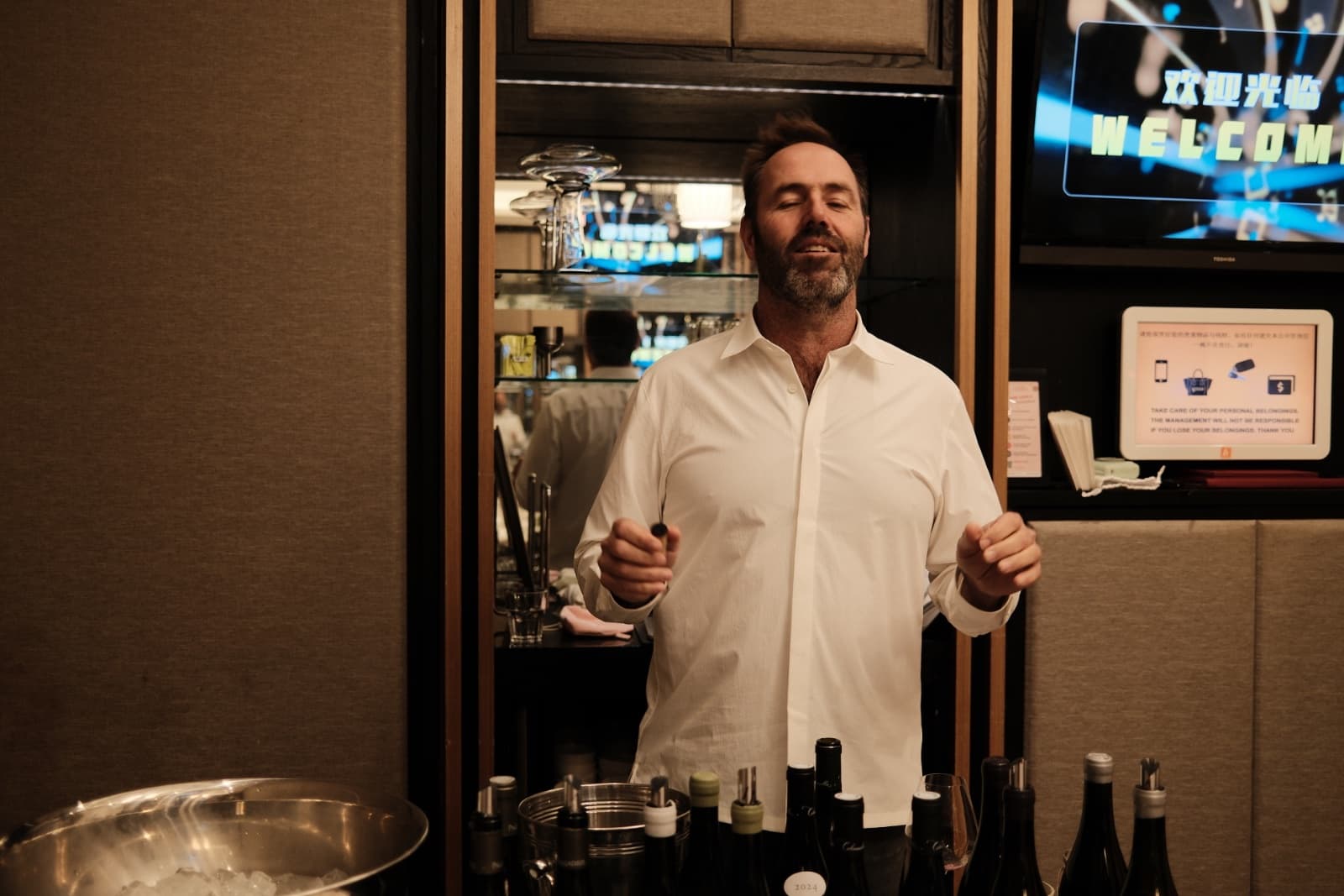
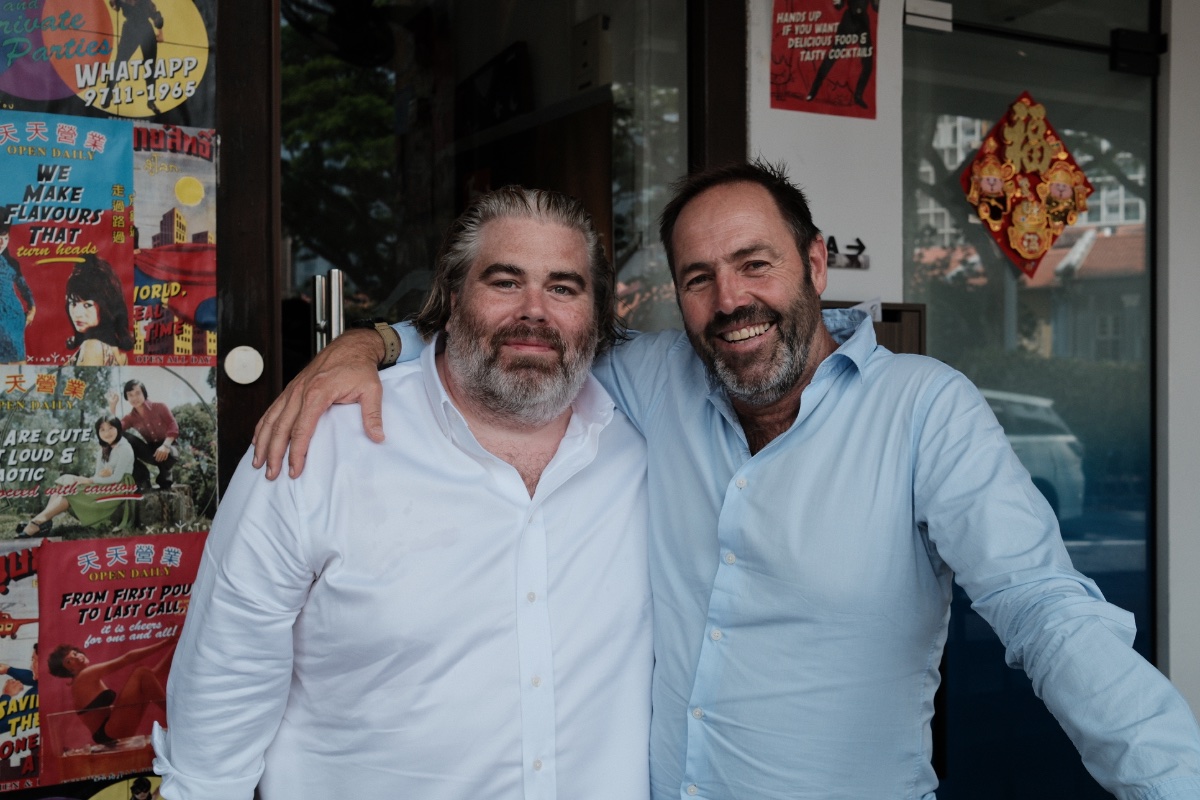
Eben Sadie of The Sadie Family Wines. (Photo Credit: AWR)
“You don’t write on trees” was what his father had told Eben Sadie.
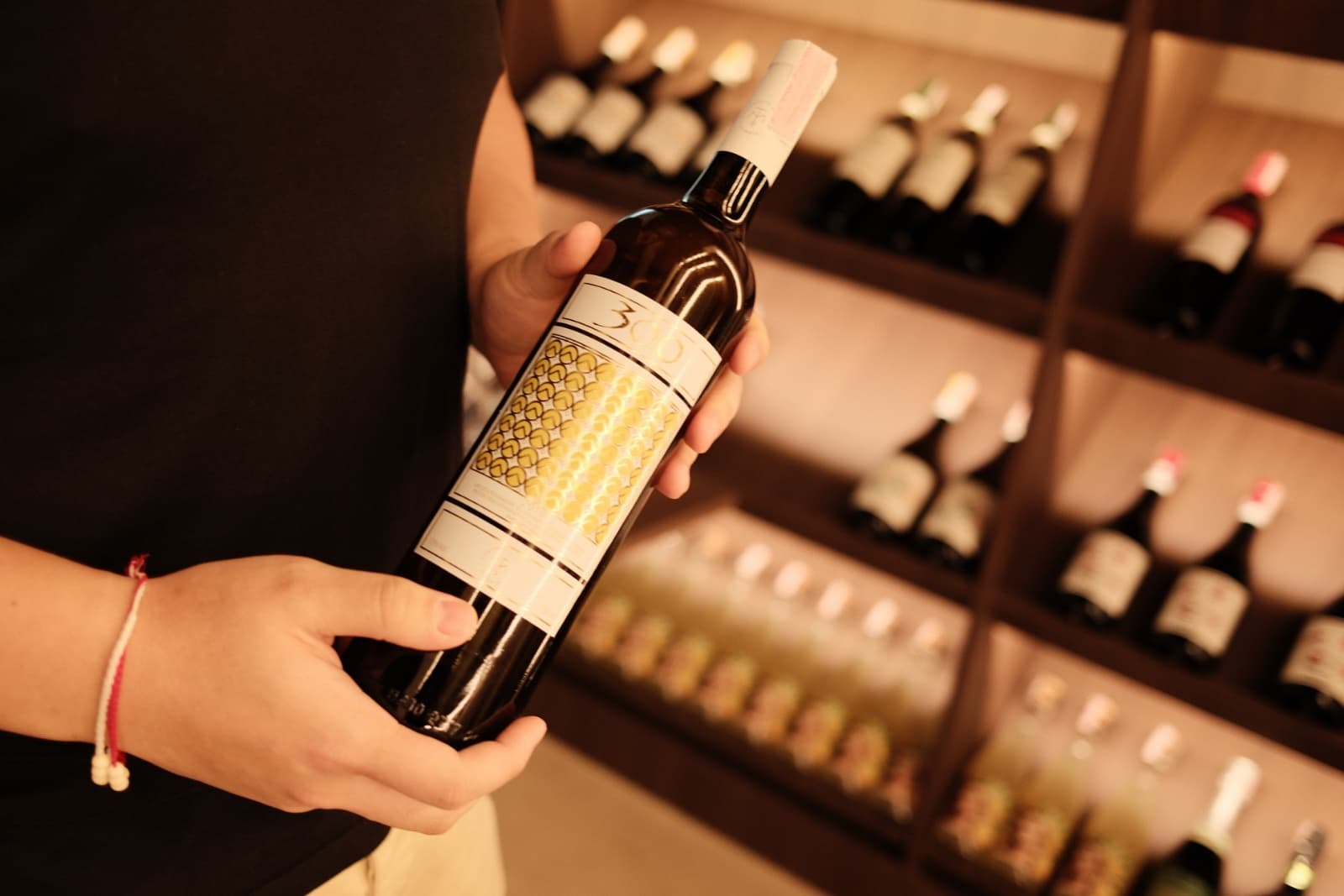
As Eben pulled out the intact cork from 2005 Columella in the private dining room of Chui Huay Lim Teochew Cuisine during his event with AWR in Singapore, three things were particularly striking. The cork used was obviously high quality, and in pristine condition despite being two decades old. Then it was the fact that all the corks he had pulled so far were all natural corks, no agglomerated corks.
The most unusual thing however, was the lack of branding on his corks.
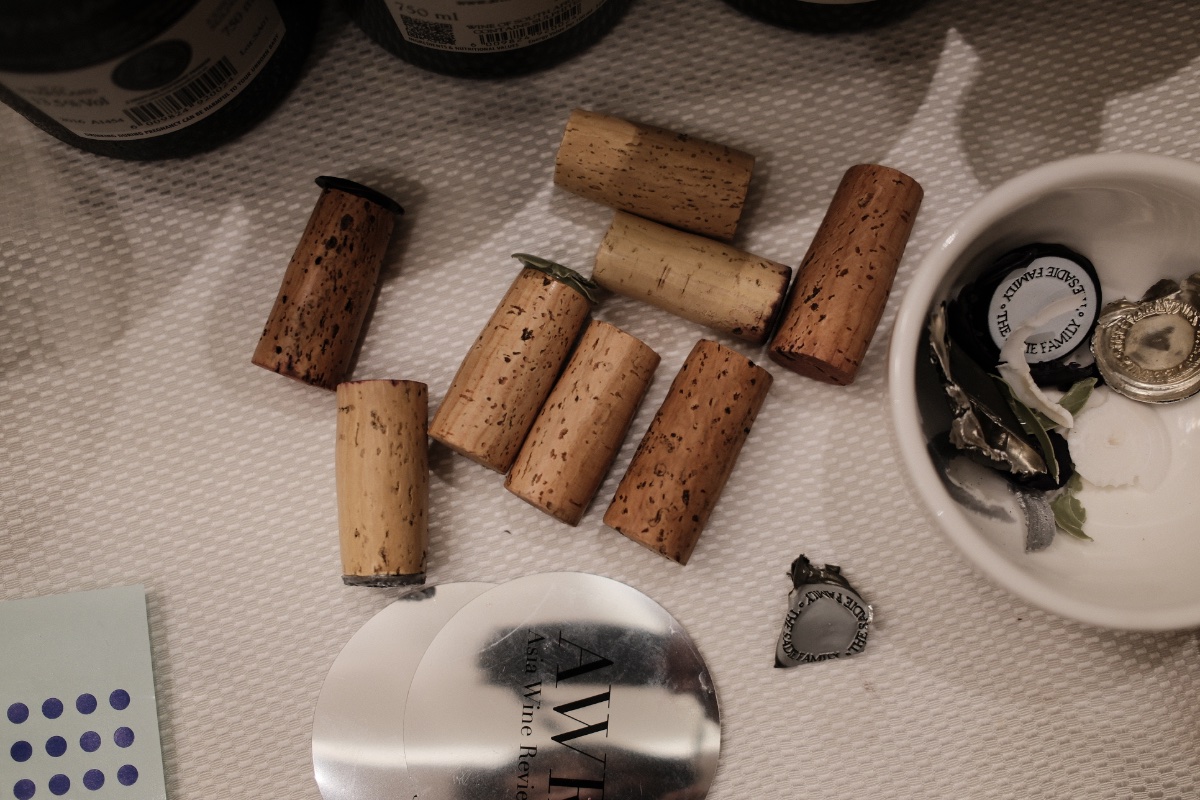
This tiny detail speaks volume about the kind of man Eben is, and how he views the world.
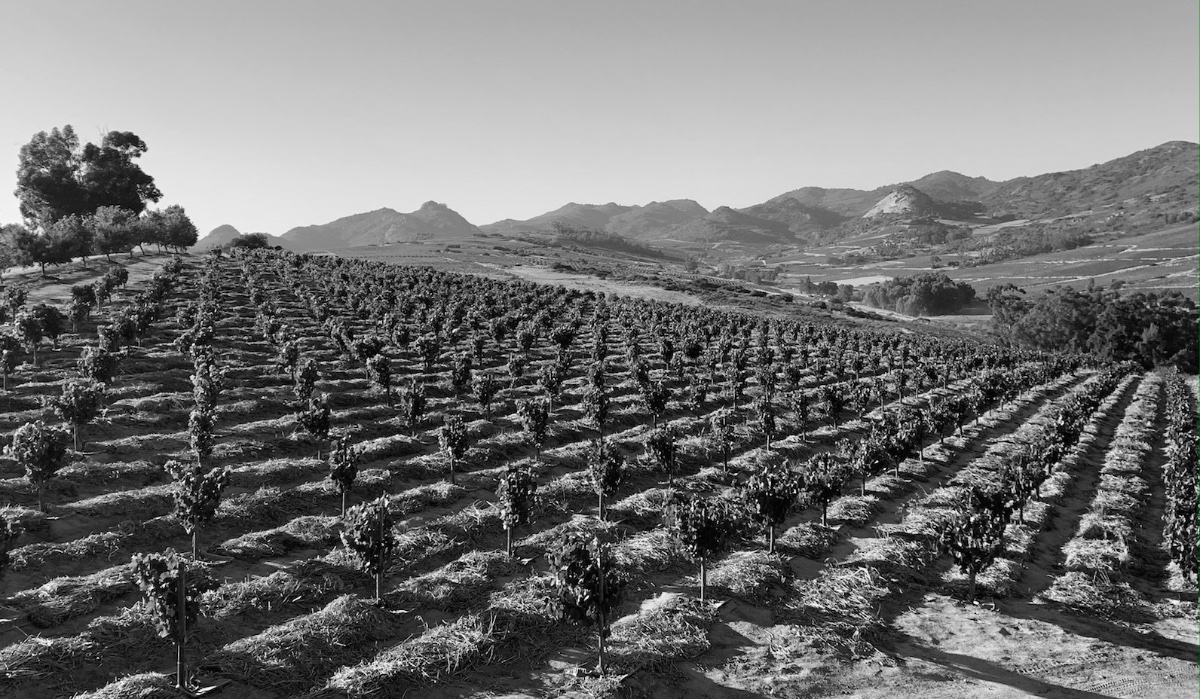
The Sadie Family Wines, and specifically Eben Sadie, is part of the famous Swartland Revolution that put Swartland on the map at a time when fine wine of South Africa is equivalent to Stellenbosch. Back then, Eben proved that these old dryland bush vines in this historically bulk-wine region could produce world-class fine wine.
30 years on, it would have been easy for Eben to ride on the laurels of this groundbreaking movement, follow the trend of today’s wine market and simply charge high enough prices to live off his fame.
Instead, what ended up happening is that his vineyards now have 38 different varieties. In our current generation that thrives on monolithic mono-varietal wines, blends seldom dominate the fine wine world. Even on the entry level of the wine market, consumers understand the world of wine through varieties. The world believes that single varietal wines from a single vineyard, and sometimes single row, was the best way to express terroir.
To go completely against the grain means fighting with what consumers easily recognise as a fine wine.
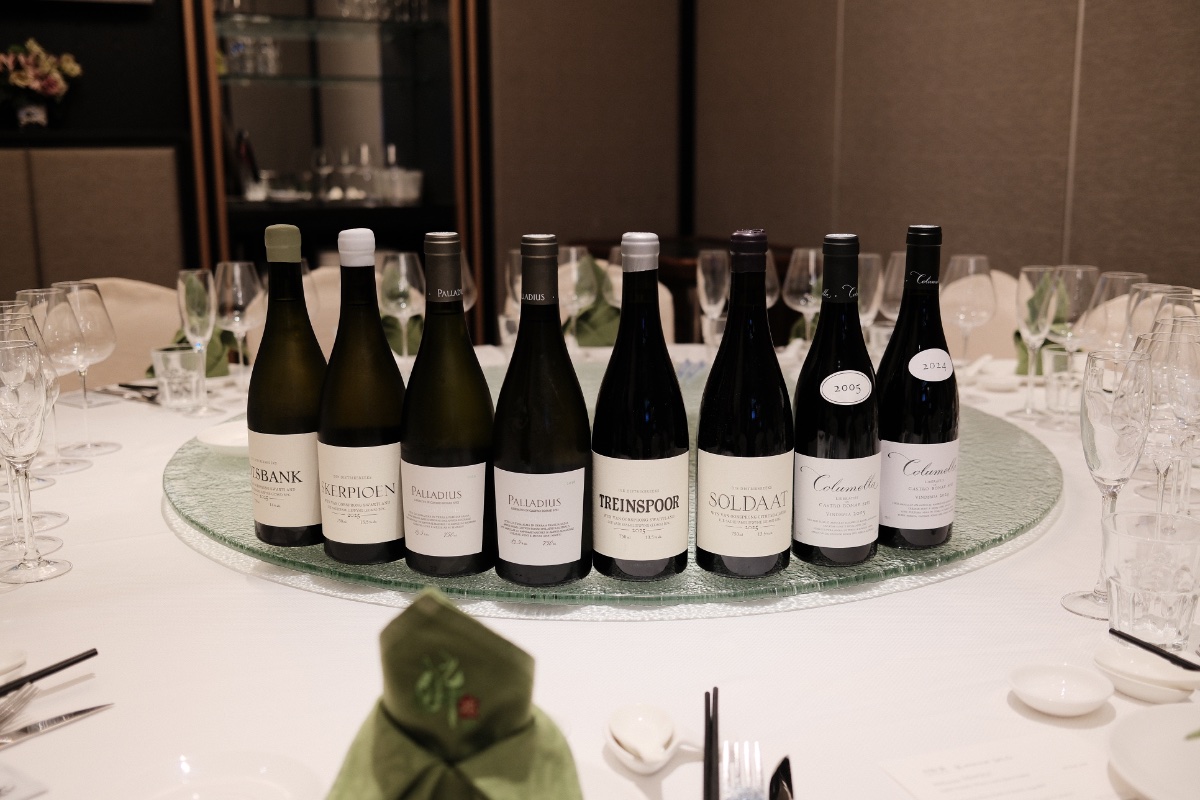
“His wines are good, but I can’t seem to benchmark it against other wines,” was the comment of an event attendee. The Rotsbank Chenin Blanc is easy to understand, he says. But not the Palladius with close to twenty different varietals.
This comment accurately describes how collectors in Asia differ from those in Europe. Asian fine wine culture, still young by comparison, has largely learned to buy through legible reference points — Bordeaux's château hierarchy, Burgundy's vineyard classifications, vintage charts that tell you at a glance what a wine is worth and how it will age. A wine that resists that kind of shorthand isn't just unusual here. It runs against the exact system this market has been trained to trust.
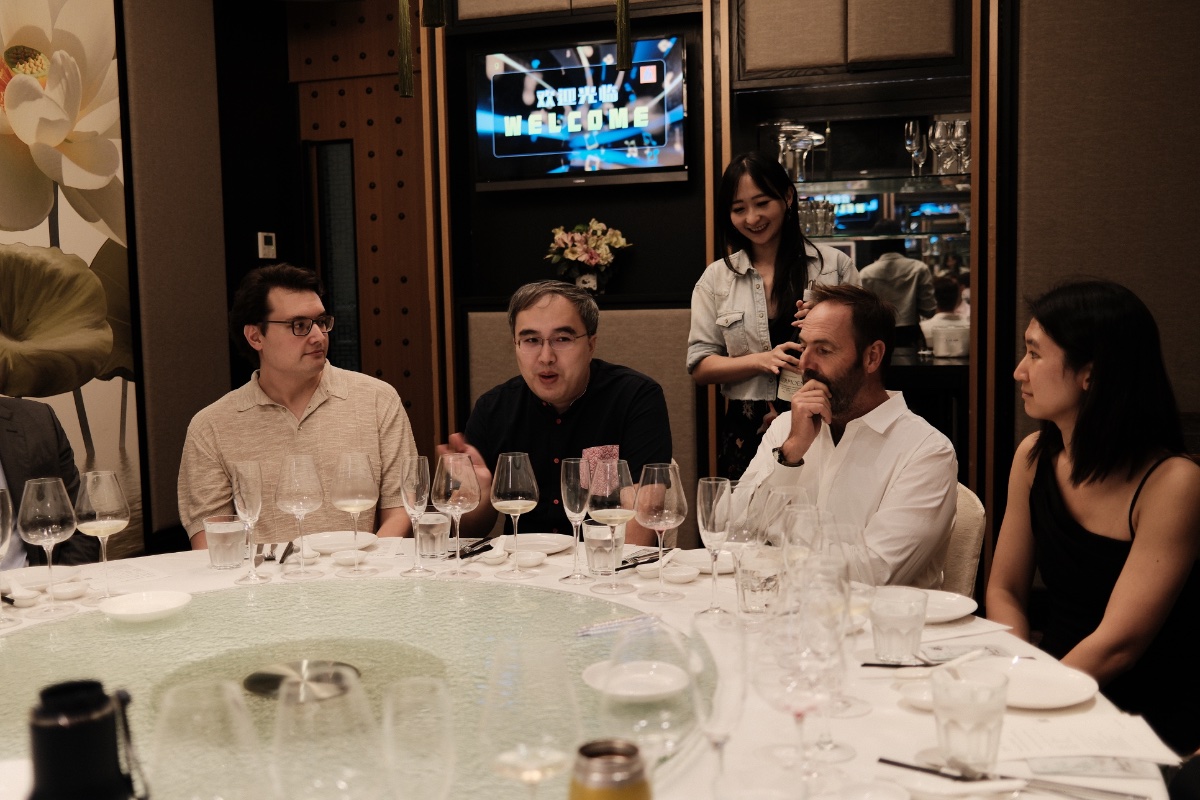
Post-phylloxera and the need for grafting individual vines, there is understandably a trend towards mono-culture in wine. But Eben chose to do things differently, exclaiming, “Not because I’m schizophrenic, but I understand the world of wine differently.”
Swartland, unlike certain parts of South Africa such as Hemel-And-Aarde Valley or Elgin, is warm and dry. In recent years, “worrying enough”, rainfall levels has been decreasing. “In 2002, I became very aware of climate change,” Eben shares.
Research on plant material generally takes around twenty years to produce any hint of reliable result. This prompted Eben to begin importing new vine material from Mediterranean regions facing similar climatic challenge as Swartland yet with a longer track record of dealing with such heat, in hopes of finding an answer for the future. Together with viticulturist Rosa Kruger, he imported many isohydric varieties.
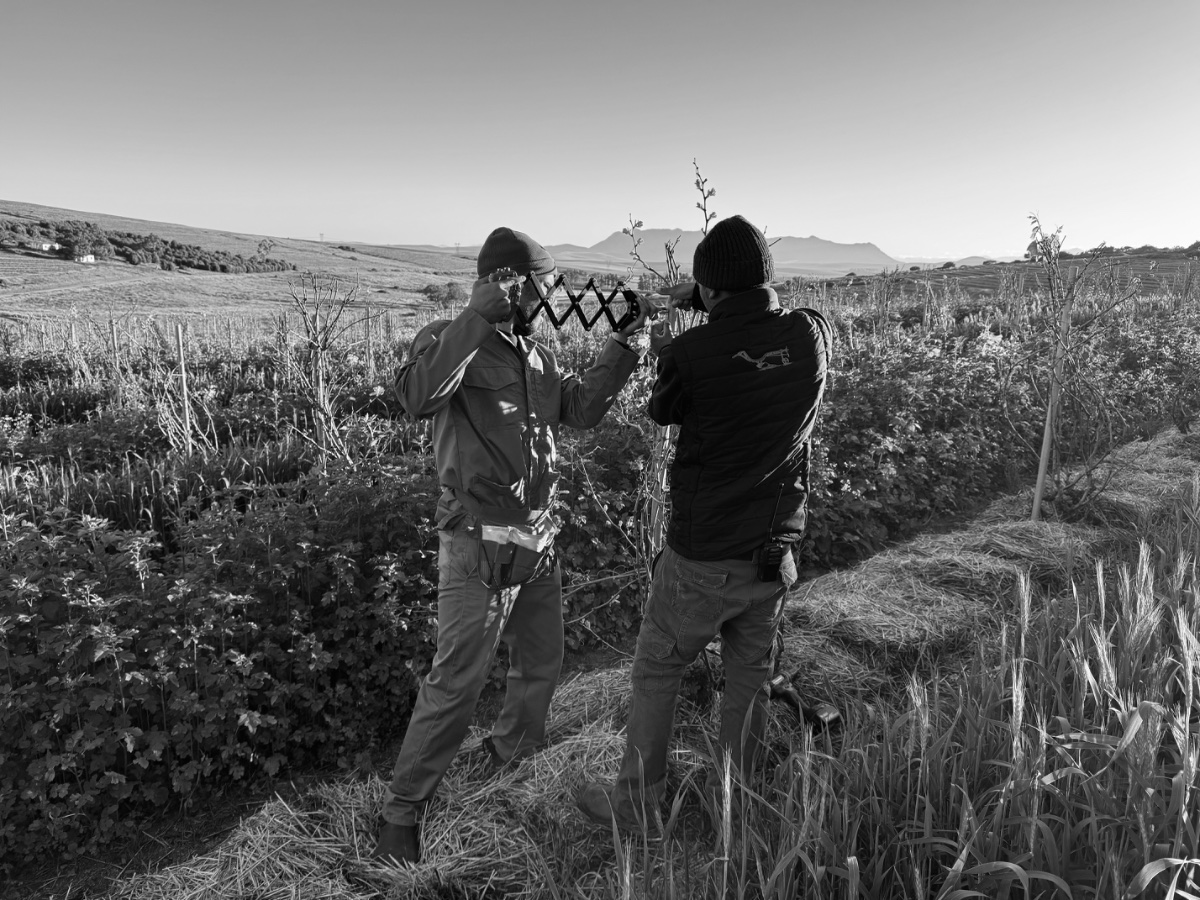
Isohydric (water-saving) varieties are plants that are better able to handle water stress and trying conditions, as these plants close their stomata and stop respiration when it is stressed. On the other hand, anisohydric grape varieties have less efficient stomatal control and continue respiration despite stress, making them less adapted to trying conditions.