How Malaysian-born Aman Khan and German-born Moritz Deyle built one of Southeast Asia's most respected portfolio, starting from Singapore. On the conviction they held on to before anyone else believed in it; and the people who helped them carry it.

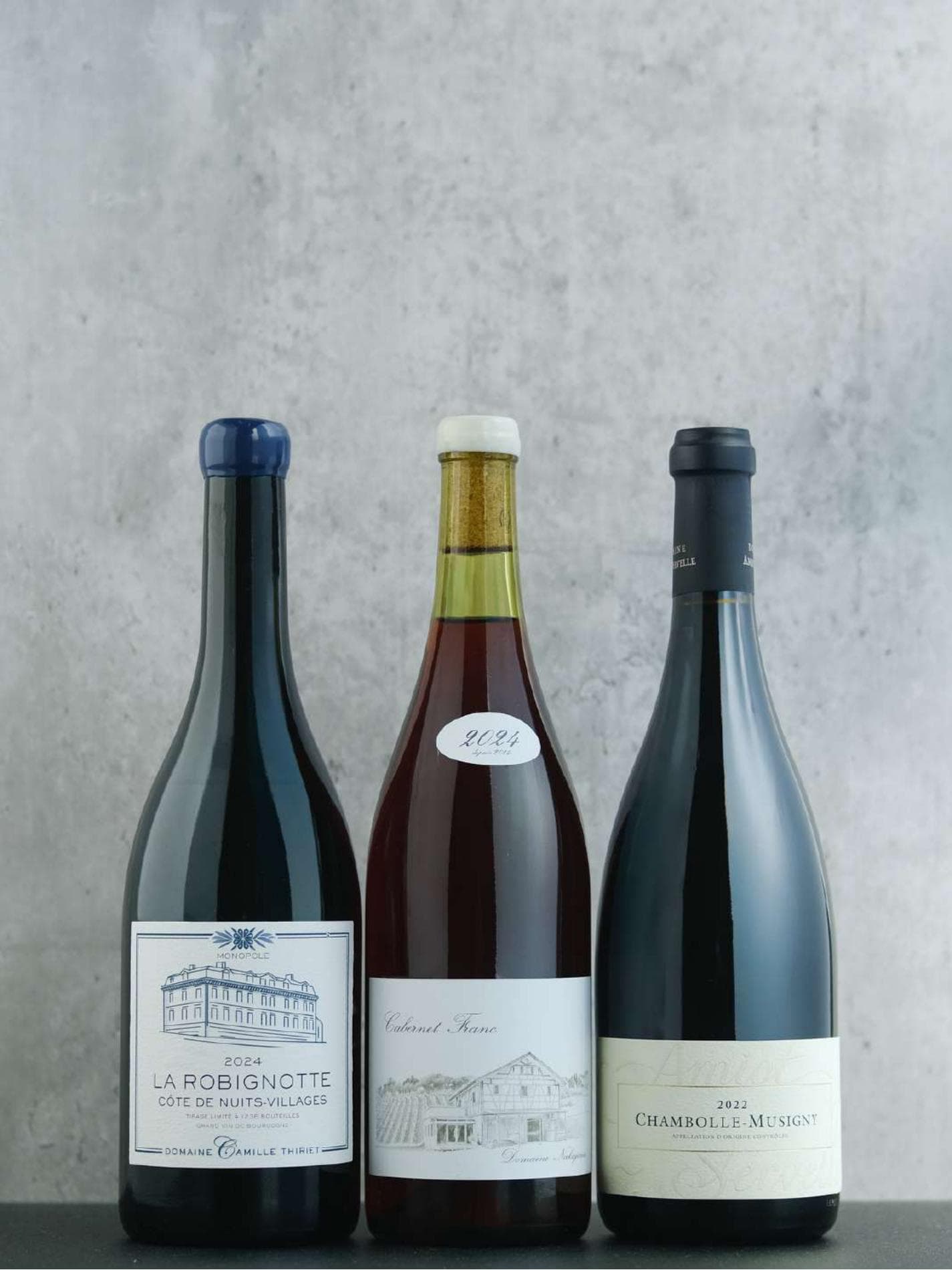
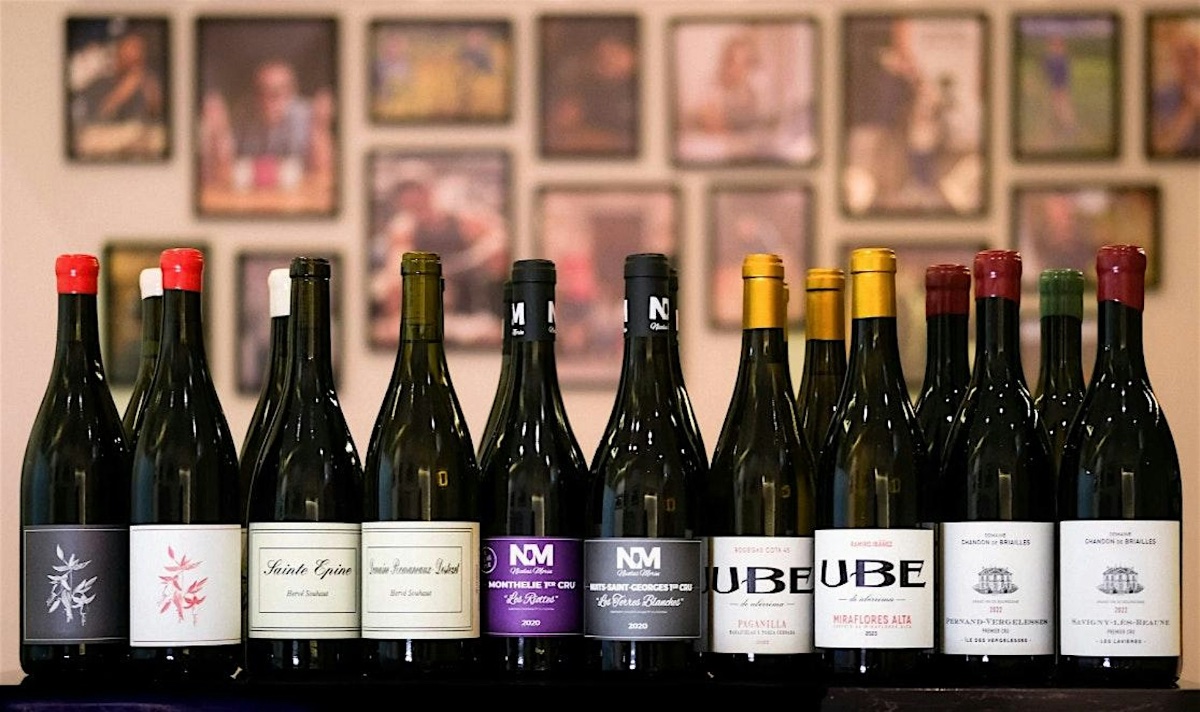
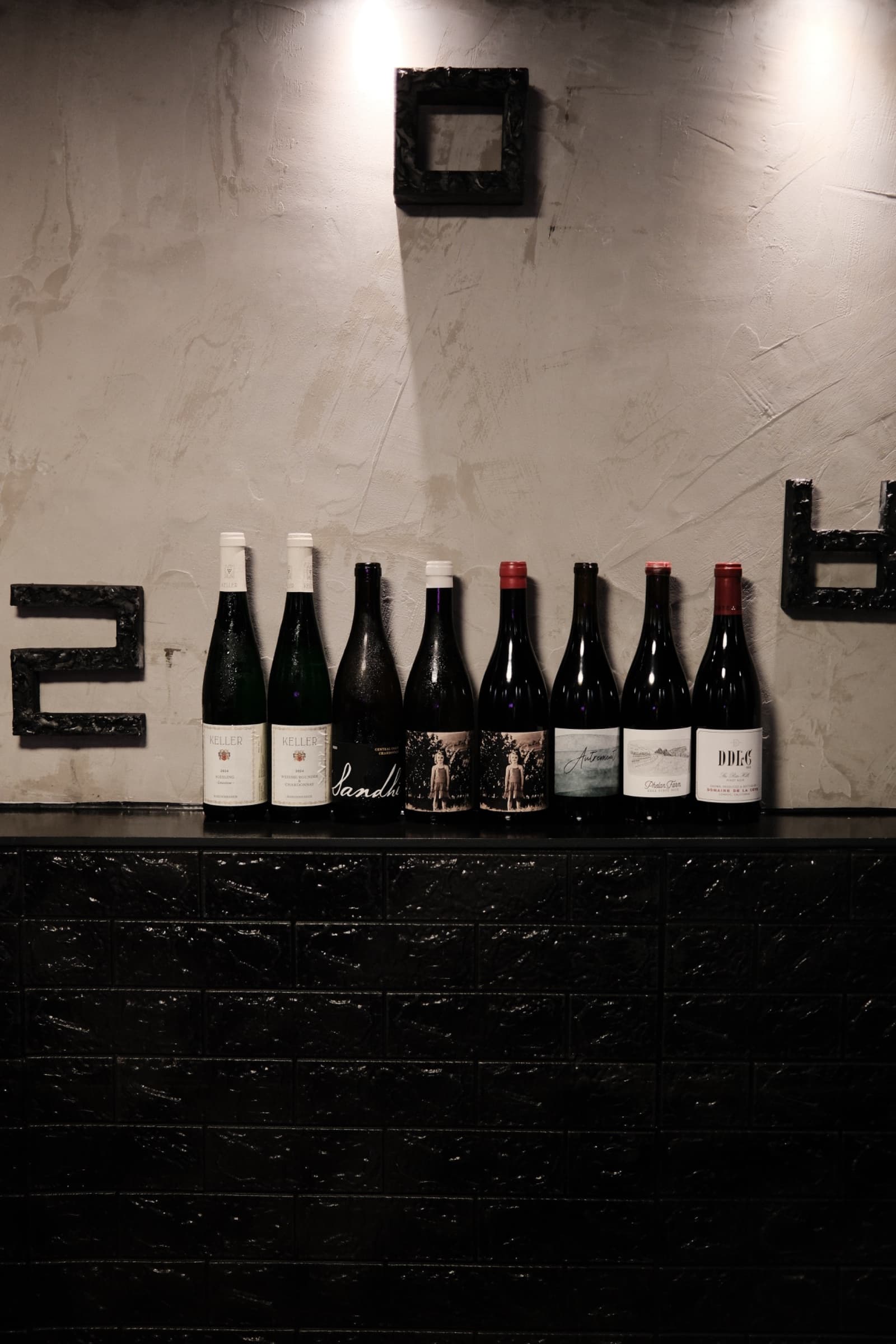
Producers represented by Artisan Cellars. (Photo Credit: Artisan Cellars)
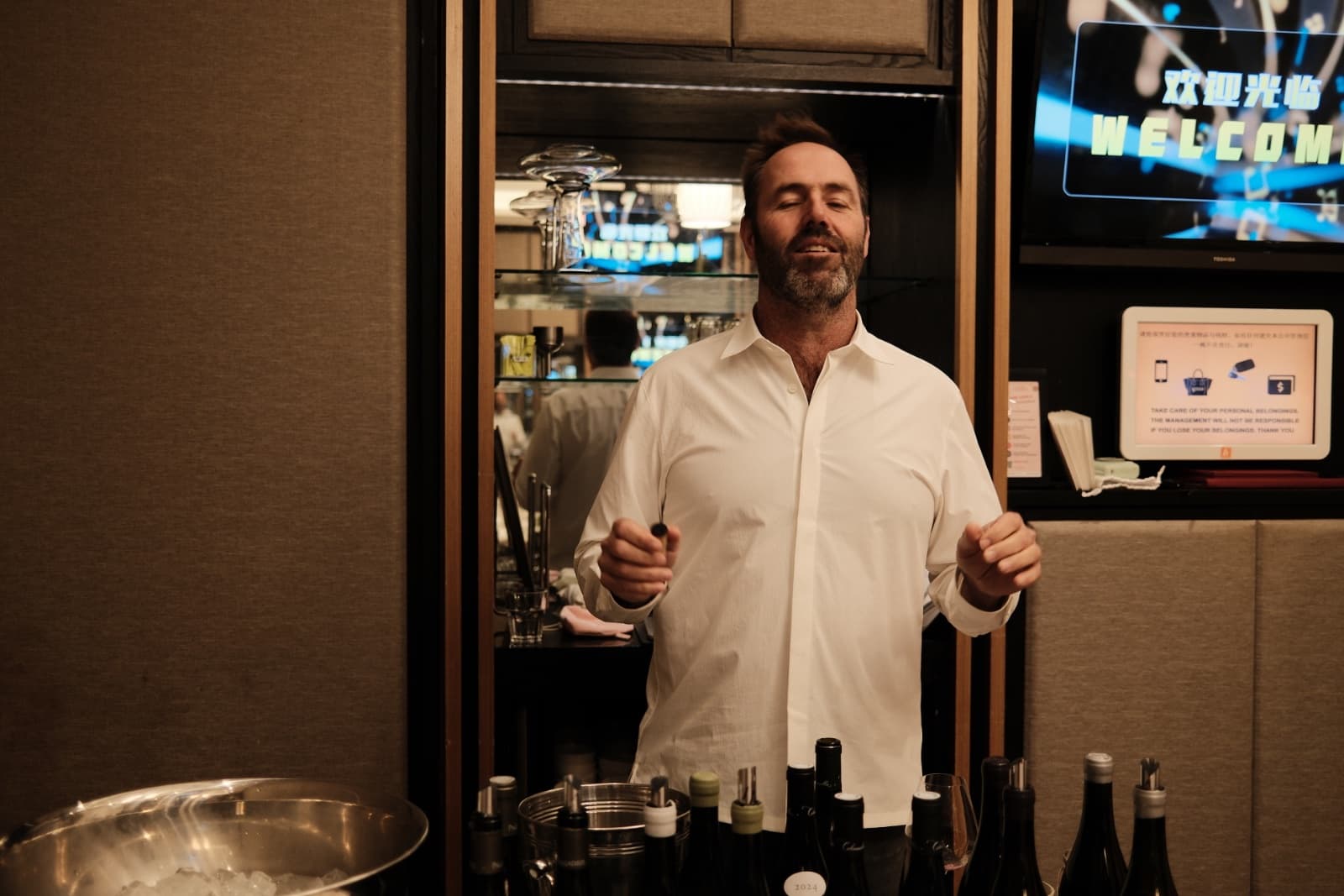
“You look after the people working for you or you don't deserve to keep them,” Aman Khan states without any reservation, the way someone does when they have thought through something rather than paying surface value.
As the owner of Artisan Cellars, Aman protects his people even if it costs him more. He pours expensive bottles for his own team and not only for clients. "We're only as strong as our weakest link," he tells his team.
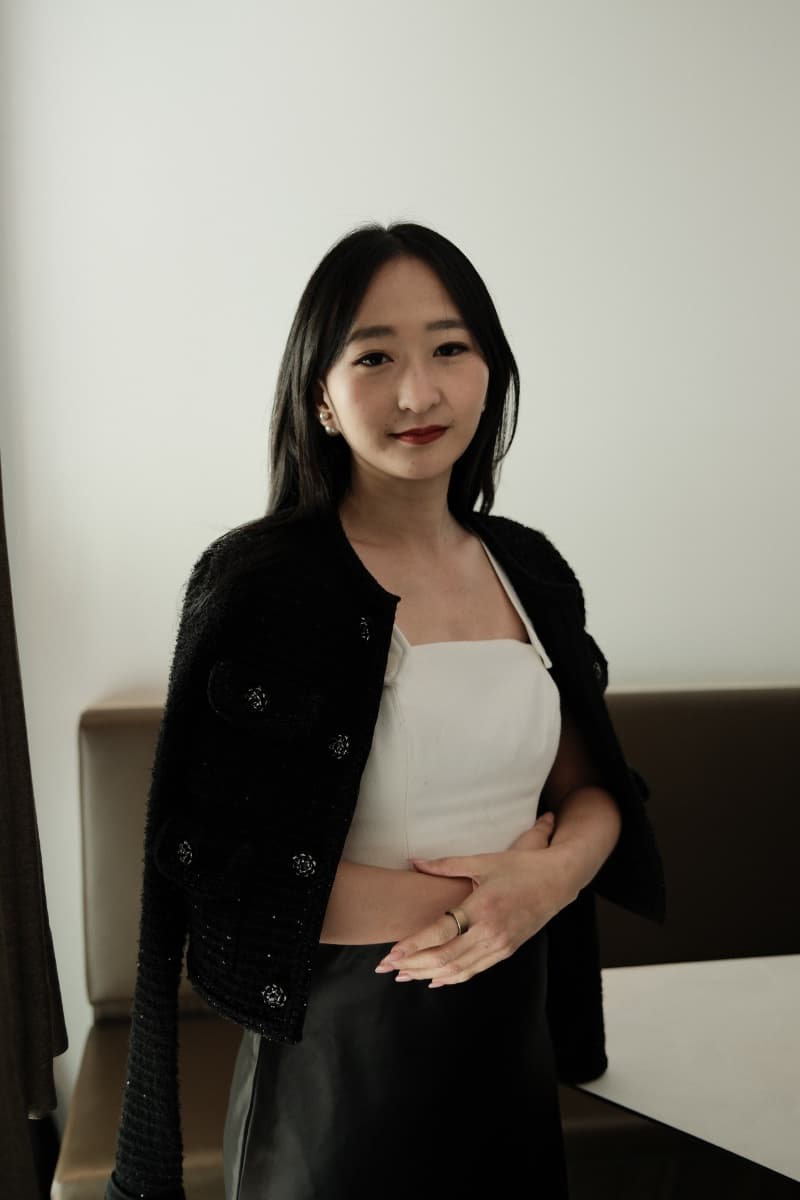
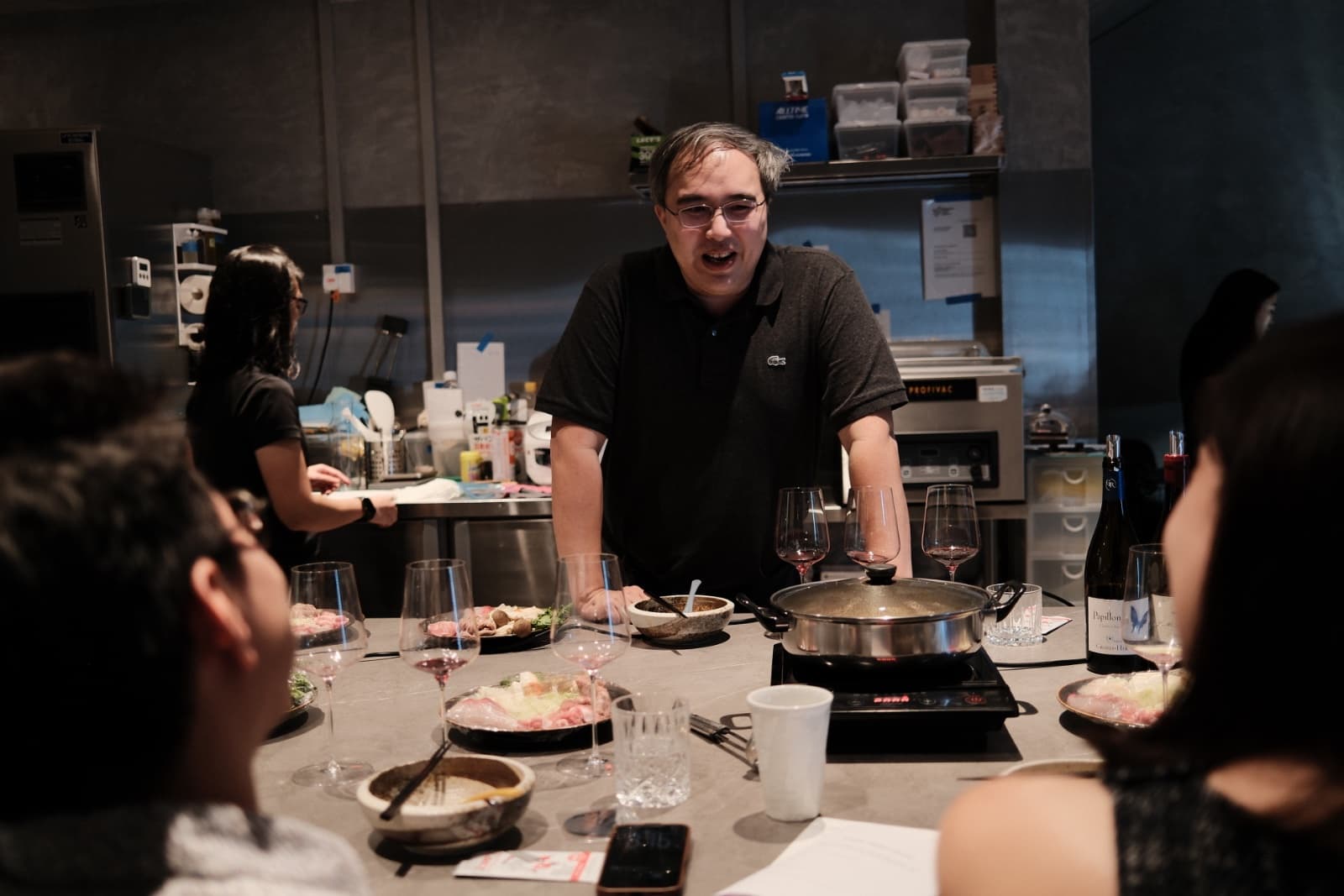
Moritz Deyle, General Manager of Artisan Cellars, says that “it simply felt right” from his very first conversation with Aman. “We shared a similar philosophy about wine, and I knew it was a place where I could continue learning while helping build something special,” Moritz shares.
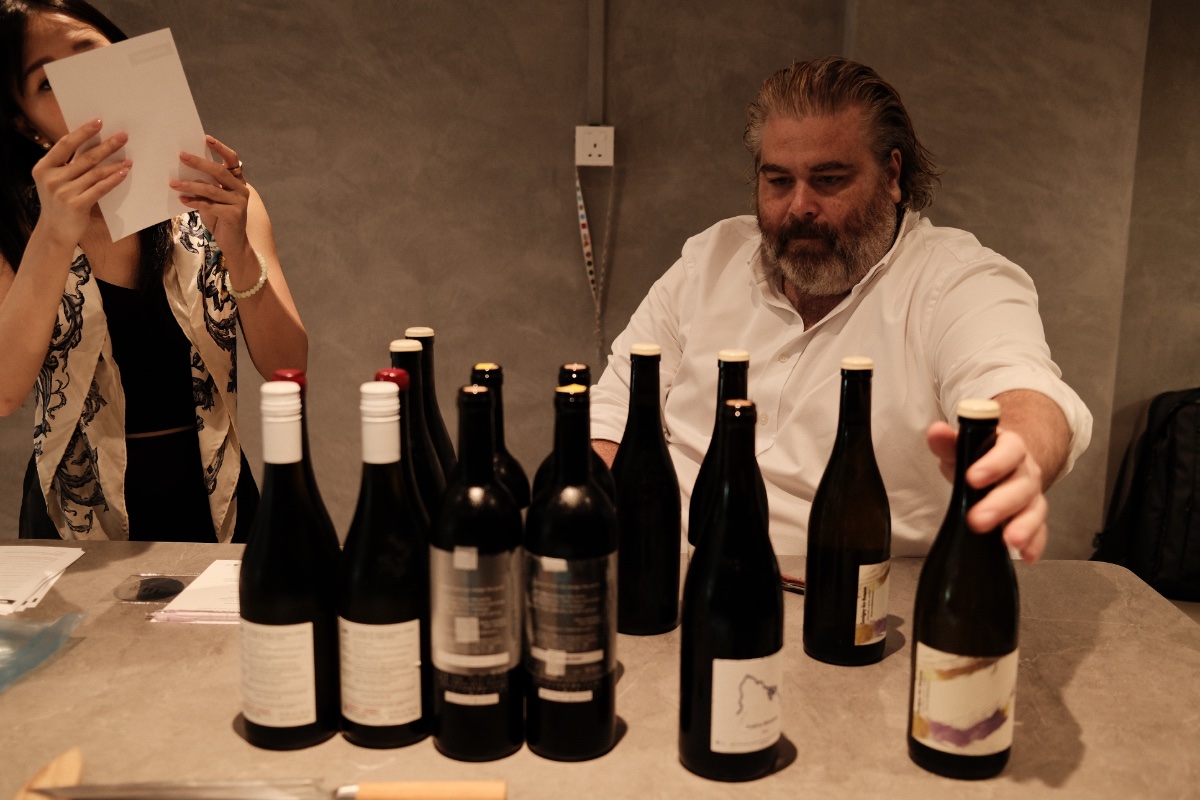
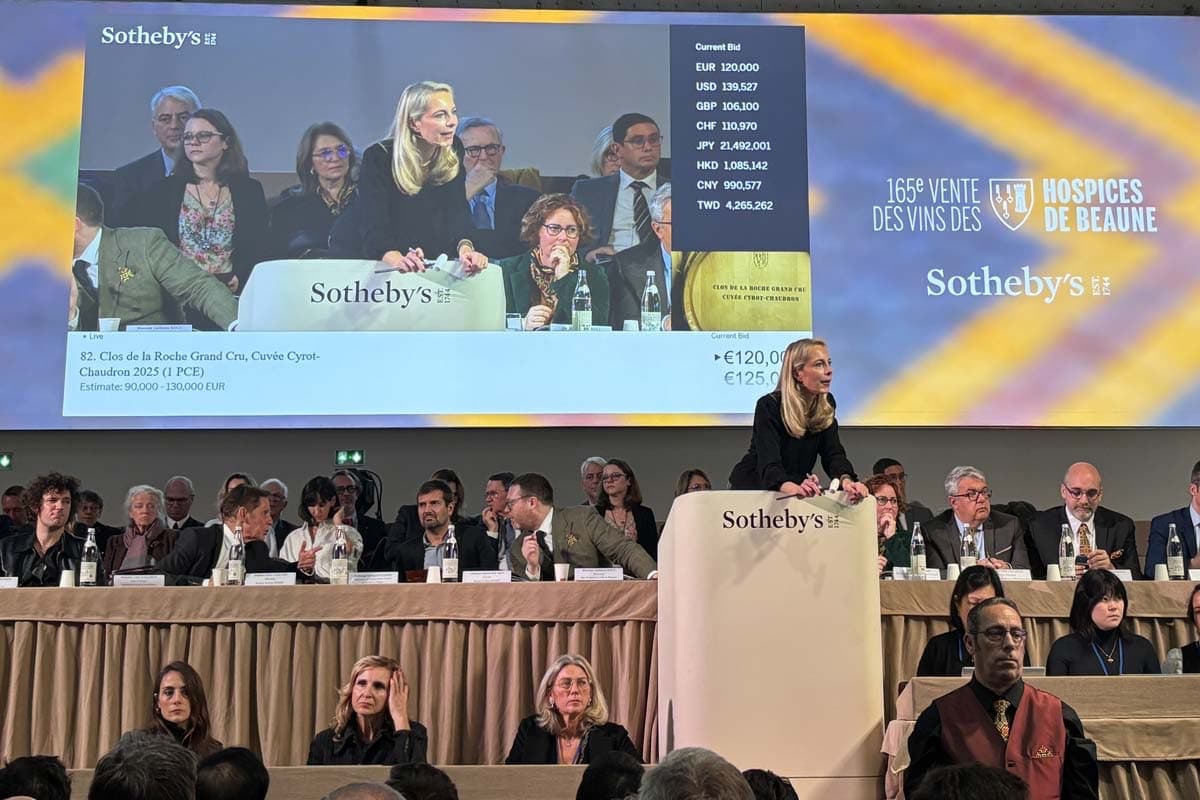
Malaysian-born Aman launched Artisan Cellars in Singapore in 2008, because “Singapore doesn't make you guess at the rules”. On hindsight, as Aman puts it bluntly, “Not a year you'd pick on purpose for launching a wine business”. The 2005 vintage hype sent prices climbing everywhere, before the 2008 financial crash landed on top of it.
Aman’s journey with wine started in the “New Zealand commercial aisle”, with a bottle of Cloudy Bay Sauvignon Blanc. But all roads lead to Burgundy, with Aman confessing, “I used to roll my eyes at that until it happened to me exactly like they warn you.”
The list was Burgundy-heavy from day one, because that was what Aman loved and what everyone he drank with loved. "Lovely reason to start a business," he says now, "terrible one to build a wine list on."
Back then, the company was green enough to be paying agents who'd already taken their cut before the wine reached Singapore. Four staff, a shop in Palais Renaissance in Singapore’s prominent Orchard Road, but a list “that was overpriced and unloved”. The first month, they sold to almost nobody.
Instead of retreating, Aman went directly to source and cut out the middlemen. The first stop was, interestingly, Austria; with Huber, Weninger and Tement. Although, he quickly learnt that wines he genuinely liked and being able to sell them are unrelated skills.
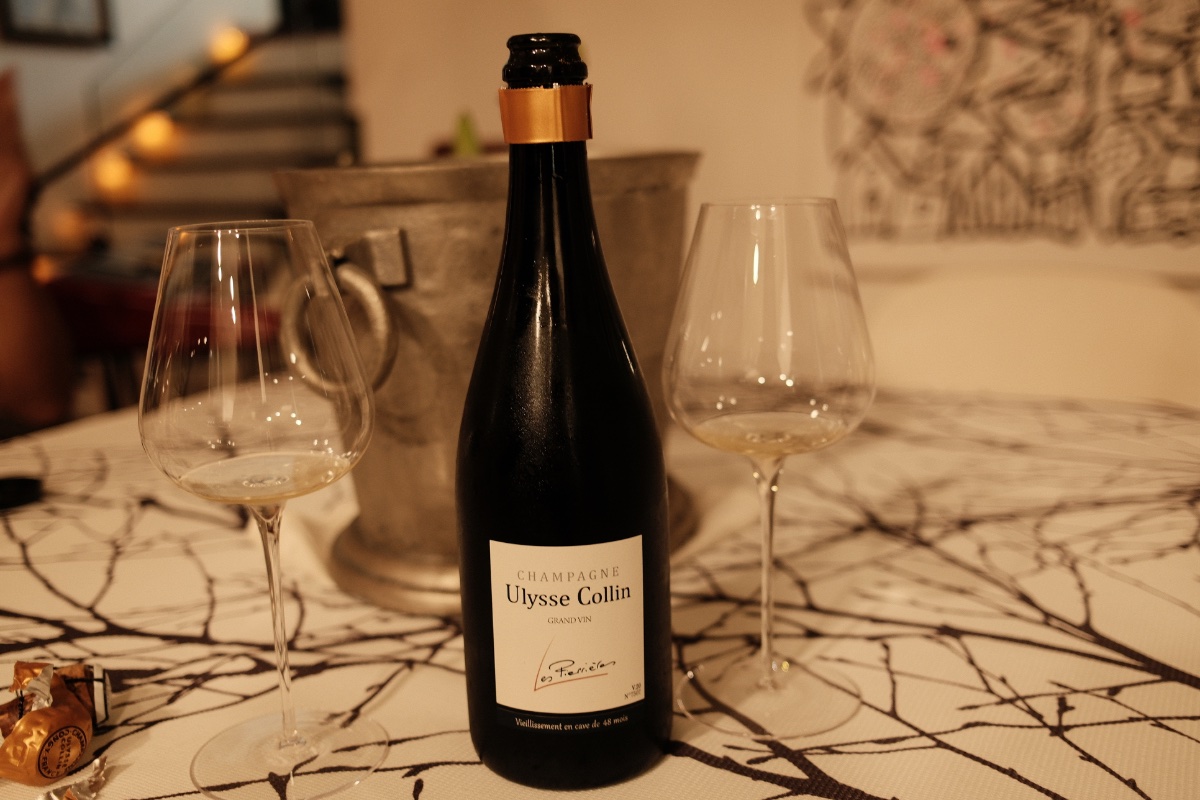
Then, in Aman’s words, “the dice rolled our way”, with Champagne and Burgundy almost simultaneously. The company championed grower Champagne at a time when most of the market could name Selosse and Larmandier. They secured the likes of Ulysse Collin, Etienne Calsac and Benoit Lahaye early, when it was still possible to knock on a cellar door and be let in. Within two years, Comte Liger-Belair, Sylvain Cathiard, Fourrier and Pascal Marchand followed. Relationships that, a decade and more later, are mostly still standing.
Moritz's route to the same building came from further away. German-born, his fascination with wine started as a boy trailing his father through old wine cellars, drawn to “the smell, the atmosphere and the feeling of stepping into another time”. These old cellars almost felt “mystical” to him as a child, and that was where his fascination with wine began.
A false start in Law taught Moritz only what he didn't want, before a nine-month internship at a winery started it all for him. He could have based himself anywhere serious wine moves through, but he chose Singapore, and Artisan Cellars specifically.
It is hard to imagine Domaine Bizot now as a wine that lacks demand, but the Artisan Cellars team spent years being all but begged onto tables before Asian demand caught up to Aman's conviction. Dry Sherry, Aman says, is "still, cruelly, a hard sell," but Artisan Cellars keeps pushing it anyway.
“Running a wine business is a constant balancing act between passion and commercial reality,” Moritz shares.
The hardest moments for Moritz are when he genuinely loves a producer whose wines simply don't sell as well as they deserve, forcing him to pass on their next allocation. The balance also shows in how the portfolio is built as a whole — sometimes a region already has enough wineries represented, and a new one, however excellent, can't be justified. Other times, it also looks like “taking on wines that aren't necessarily your personal favourites because you know there's demand for them in the market”.
Moritz still carries advice from his first boss in Germany: "Of course you need to love wine in this business, but never so much that you can't make the right decision."

Allocation follows the same discipline in practice at Artisan Cellars, with loyal and engaged customers getting first look, but never the same twenty names every time. Aman shares that the real weight goes to the sommeliers, because “one sommelier who's actually obsessed with a wine does more for us than any newsletter I could ever write”.
Moritz’s read on Singapore and Malaysia collectors specifically is that they drink less but go deeper. He describes tasting alongside clients whose grasp of Burgundy, Champagne or German Riesling regularly teaches him something new.
Today, Artisan Cellars has presence in Singapore, Malaysia and Indonesia. But Aman is not about chasing new names. He wants Artisan Cellars to double down on the producers already in the fold, represent them properly, and hold its nerve as the category grows louder and more crowded around them.
“Stay relevant without becoming a version of everyone else doing this” is Aman’s goal for Artisan Cellars.
Hyped producers might be easy to replicate in a portfolio, but the far-sighted conviction to see through the noise before everyone else, perhaps less so. If their team is any indication, Artisan Cellars will continue championing quality over hype.
Moritz jokes that I’m asking him to choose his favourite child when I asked him for his favourite three. Instead of picking the legendary names, he points to Ramiro Ibáñez's flor-aged Maina, which he paired with Peranakan and Cantonese food, as proof that some of the best discoveries sit outside the expected regions entirely. He is also fascinated with Wabi Sabi’s Aqualeiten Grüner Veltliner with its “fantastic acidity, incredible precision and just a bit of good funk”. Claus Preisinger’s Bonsai Blaufränkisch which he describes as “dangerously drinkable” has a contrasting balance of depth and complexity.
On the other hand, Aman says that “ask me tomorrow, you'll get a different three”. Understandable, since most of the portfolio is what he “chased down myself because I wanted it in my own glass, so half the list could probably answer this question depending on the day”.

For me, I often say to my friends privately that if I had had unlimited funds twenty years ago, Artisan Cellars is the kind of portfolio I would have dreamed to build. I admire Artisan Cellars not only because of their highly sought-after wines by allocation, but because of the conviction that spans through the entire team.
I left Domaine Amiot-Servelle out of this list because of a recent article I dedicated to them. I took a leaf out of Moritz’s book and left out Burgundy in my selections.
I convince anyone drinking with me whom I know love Burgundy try Comando G whenever I see it on a wine list. They source La Mora from a tiny 1.17-hectare parcel of bush-vine Garnacha, close to 80 years old and planted on decomposed pink granite soils. All I can say is, if you love Burgundy, you have to try Comando G.
I’m always fascinated by wineries who can make entry-level wines that get me extremely excited, and the Bérêche brothers is one of them. It is little surprise when you actually understand how they farm, because their 21 micro-plots across 11.5 hectares mean that they treat each parcel like a Burgundy Grand Cru. They ferment and age in neutral oak barrels, meaning if you love oxidative styles, this would be up your alley. Extremely vibrant wines with a laser-like mineral acidity I've been in love with since my first glass.
I have a strict rule against drinking sweet beverages, but hand me a glass of sweet wine and I will finish the entire bottle. Schloss Lieser’s beautiful castle is a turnaround story, and who doesn’t love one? When you have the chance to go to Mosel, do not miss the steep 70º slopes that had me marvelling, jaw dropping, treading like a baby goat as I tried not to lose my footing.