At Domaine Amiot-Servelle, Prune and Antoine choose precision over the spectacle of power.

Siblings Prune and Antoine Amiot-Servelle. (Photo Credit: Domaine Amiot-Servelle)
"What I enjoy most about working with a sibling is that there is no need to play a role," Prune Amiot-Servelle shares. "We know each other too well for that."
Antoine Amiot-Servelle agrees with his sister, saying, "My favourite aspect of working with a sibling is the trust. We share the same history, the same values and the same responsibility towards the generations that came before us and those that will follow."
Antoine's Instagram handle, which no doubt many of you following him will know, is chambollois. Very apt, indeed.
For Antoine, social media isn't about deliberately reaching a specific audience, but an authentic extension of the domaine's daily life. He shares a moment, be it a meal, a landscape in Chambolle-Musigny, or a glimpse into the cellar to “bring a small piece of village life to someone living in Singapore, Tokyo or New York”.
There's a certain familiarity that struck me hearing Prune and Antoine describe their roles. They both studied viticulture and oenology, bringing with them overseas experience to their family’s domaine. Though Prune's tasting ability naturally makes her the family's technical reference point, as she puts it herself, "in a family domaine things are never as clearly defined as they may seem."
Antoine echoed similar sentiments, “Depending on the day, I might be in the vineyard, on a tractor, in the cellar, tasting wines, meeting clients around the world, or working on projects that will help shape the future of the domaine.”
Their collaborative approach working as a family in the vineyards and cellar “is a very important part” of their family philosophy.
Just like family businesses here, family domaines rarely draw up job titles or divide credit neatly. Roles overlap, elders stay in the room long after formal retirement, and no one moves to claim a decision as their own.
Domaine Amiot-Servelle traces its history back to the 1920s when Clément Tachot began vinification at an estate in Chambolle-Musigny. Clément Tachot's daughter, Cécile Tachot, and his son-in-law Jean Servelle took over the estate in the 1950s and created Domaine Servelle-Tachot.
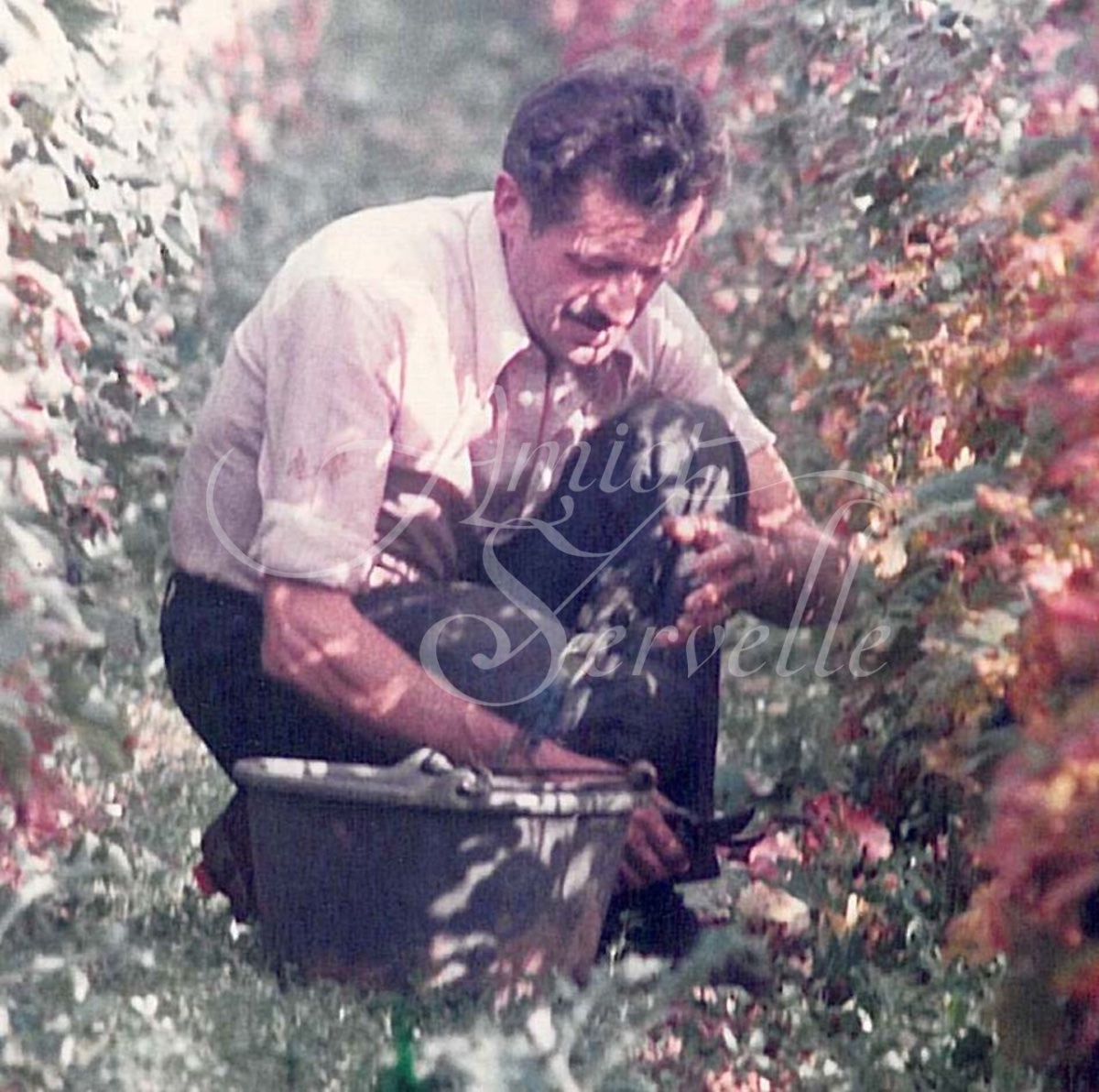
In 1980, Jean's daughter, Elisabeth Servelle, and her husband, Christian Amiot from Morey-Saint-Denis, entered the picture. They took over the estate in 1989 and continue today as Domaine Amiot-Servelle.
Every generation leaves something behind. As shared by Prune and Antoine, "Our grandparents built the foundations of the estate, our parents expanded it, strengthened its reputation and guided it towards organic farming." For them, their winery is "the stone we have added to that family story".
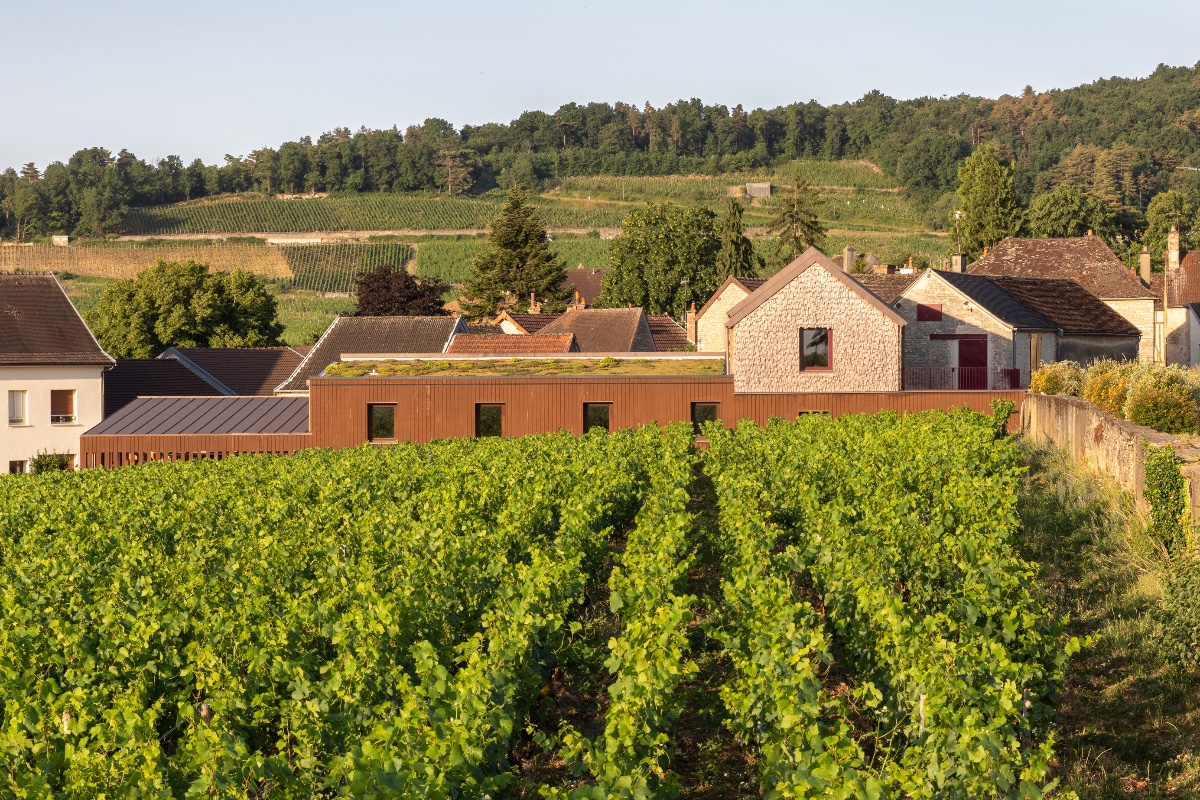
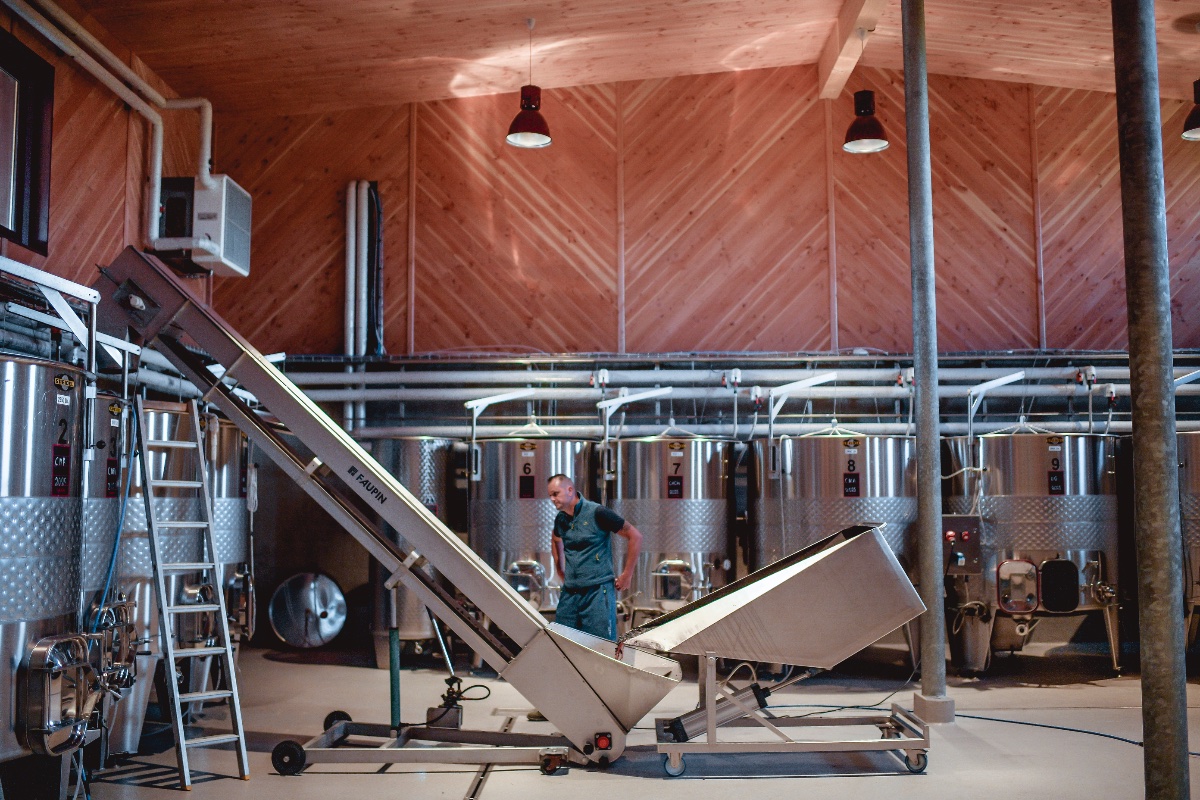
The new winery, which was completed in 2022, works entirely by gravity. This gravity feature in itself is a reflection of what they set out to do: "to create a space that would allow us to work with greater precision and respect for the fruit."
We often hear producers telling us that choosing a favourite vineyard is "like choosing a favourite child".
Prune says the same, and Antoine by his own admission has come to agree with his sister. "Not because all vineyards are the same, quite the opposite. It is because each one fascinates me for a different reason," shares Antoine.
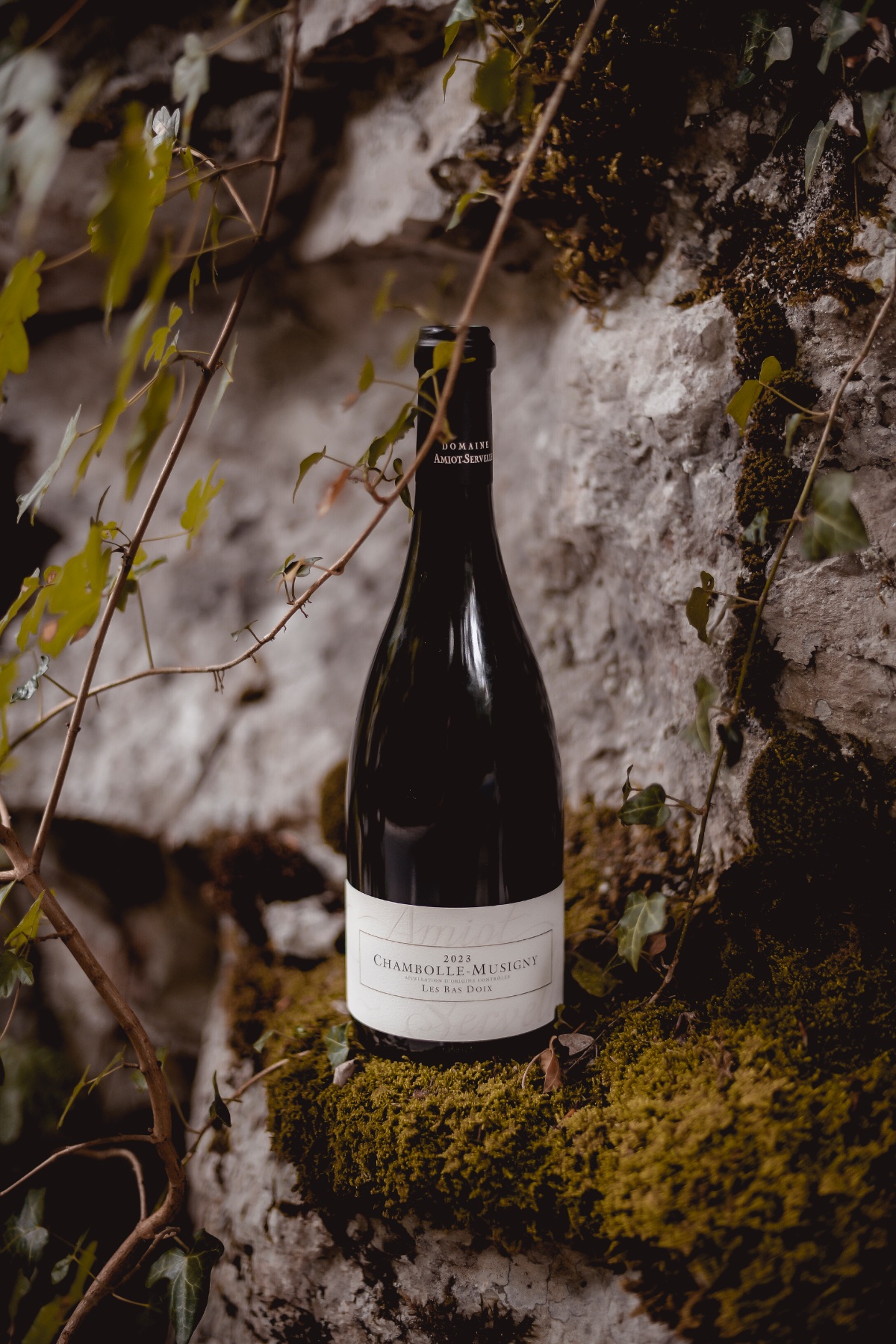
Les Bas-Doix is the one he speaks of first, which is tucked just below the famous Les Amoureuses, but without its neighbour's reputation. A few years ago, the family began filling four or five barrels directly from the Les Bas-Doix vat after fermentation. The rest is blended with their other parcels from Chambolle-Musigny before ageing in barrel. The aim isn't to isolate the "best" part of the wine, but to preserve a snapshot of this particular terroir without disturbing the balance of their village cuvée.
He also pointed out Derrière la Grange, a walled Premier Cru in the village and the smallest at only 0.36 hectares; it is also a parcel the family did not always own. His father secured the farming contract in 1989, before his parents had even recovered their own vineyards. Where Les Amoureuses is charm and immediacy, Antoine describes Derrière la Grange as a wine that "invites reflection rather than simply admiration", closer to an intellectual exercise that reveals itself over time.
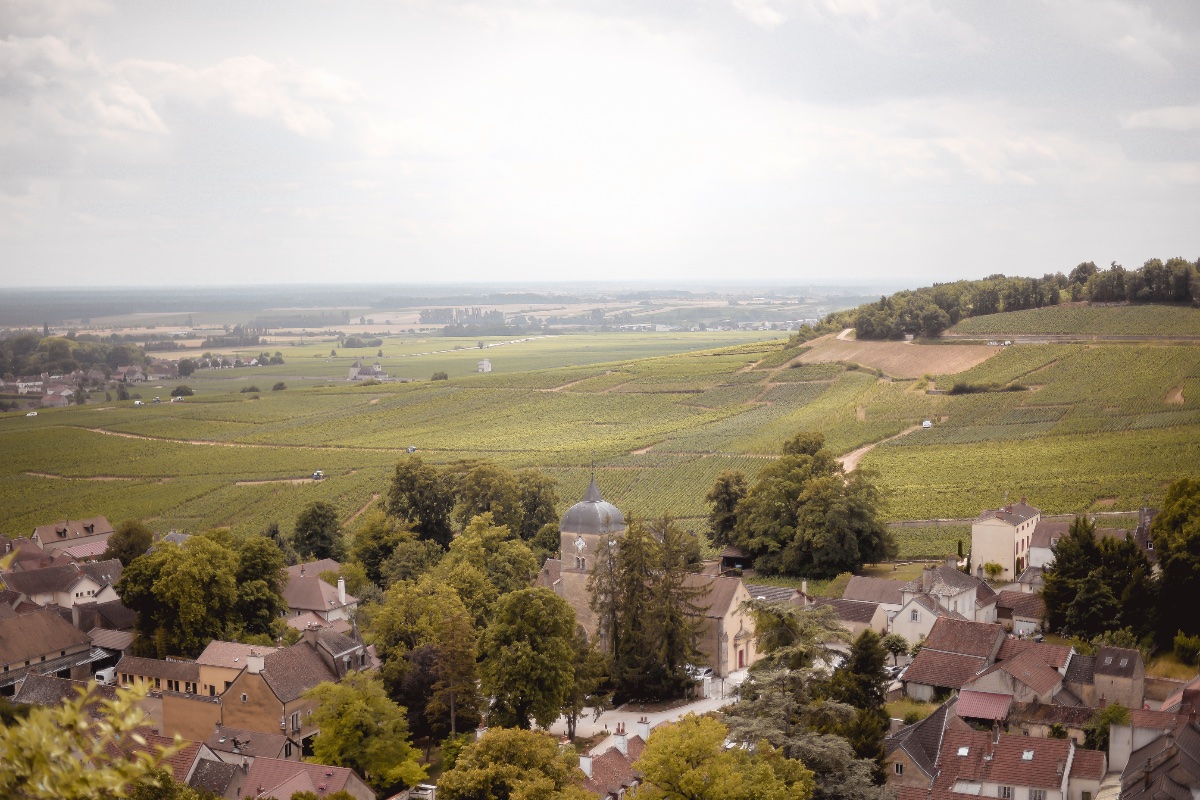
And yet out of the seven hectares they cultivate, Antoine shares that it is Les Amoureuses he is still learning from. Les Amoureuses is the most celebrated Premier Cru in Chambolle-Musigny, one that many regard as a Grand Cru in all but name.
Their parcel was replanted in three stages: one third in 1992, another in 2010, and the final third in 2019. Antoine shares that it is the unexpected early complexity of Les Amoureuses that surprises him — even vines barely ten years old already produce wines of “remarkable elegance and depth”. His father had made the same observation about the 1992 planting; more than twenty years on, Antoine finds himself reaching the same conclusion with the newer plantings. Two generations, learning the same lesson from the same vineyard.
Domaine Amiot-Servelle's Les Amoureuses is a wine that stayed with me. It did not charm me immediately in a line-up with other producers that reward immediacy; but it was the wine I went back to at the end of the night, when everyone had too much to drink, to sit with. It was unshowy, yet undoubtedly complex, with a certainty so sure of its own identity that you can't help but admire it.
Their Les Amoureuses is perhaps also a true snapshot of how this family is.
Prune shares that every morning during vinification, the family would taste together. That began with the parents and her, and then later included Antoine. Impressions are shared, ideas challenged, and the technical decisions that follow are rarely made by one person alone. It is, in effect, a daily family board meeting conducted over barrel samples rather than a boardroom table.
If you consider Prune and Antoine's perspective, perhaps it might have been easier to build for scale. After all, their new winery finally brought decades of vinifying across five scattered locations under one roof, and they could just as easily produce more and definitely louder. But this was never the intention, as "the objective was never to make bigger wines, but clearer wines."

Precision is a term that is quietly debated in our part of the sommelier world, with many people using it yet not many explaining it well. Antoine gave one of the best definitions I've heard in a while, saying that "in practice, precision means preserving details", such as keeping parcels separate, adapting decisions more accurately, and accompanying each wine with fewer compromises along the way.
The whole point of precision in wines is not greater concentration or more power. "If anything, it is the opposite. The wines appear more defined, more transparent and more faithful to their origins," Antoine shares.
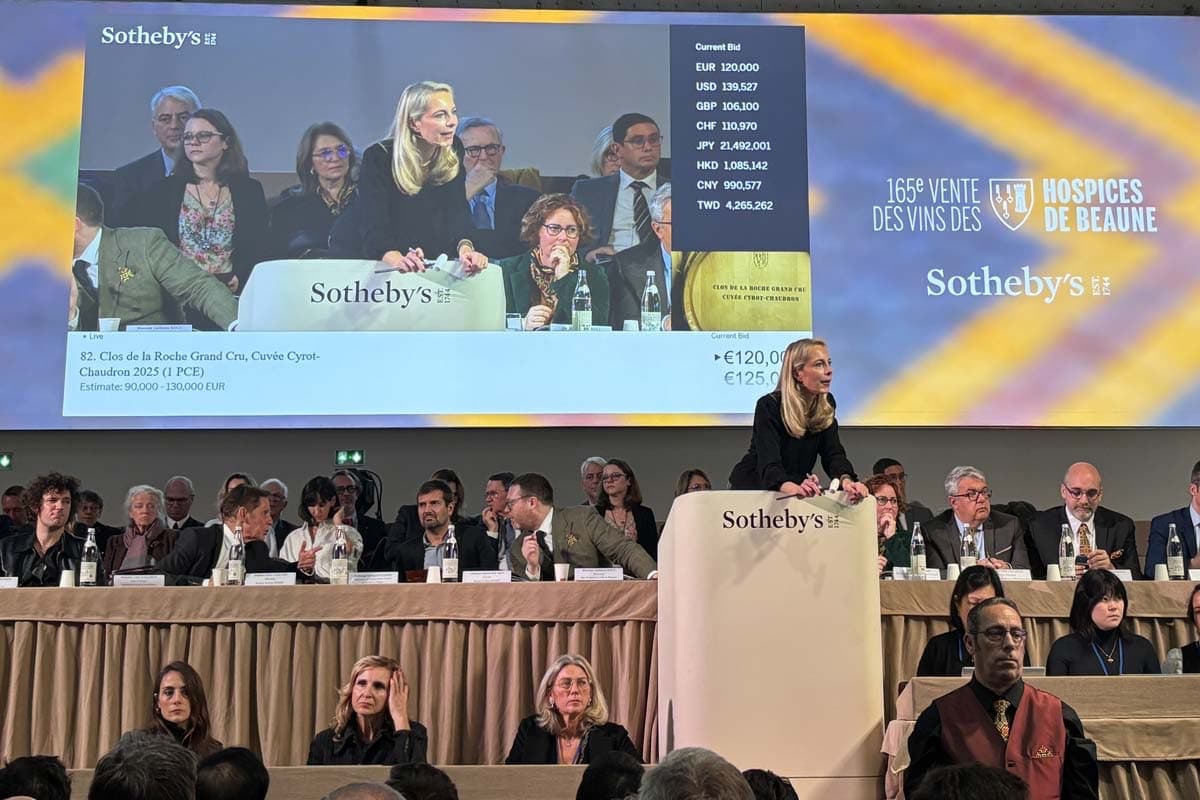
At this moment when Burgundy's market rewards spectacle and the next five-figure bottle, a family choosing precision over power is perhaps also choosing to be harder to notice.

In many ways, the Amiot-Servelles are very much like the village they are in. "Whenever Chambolle-Musigny is tasted alongside other great villages of the Côte de Nuits, it is often the elegance of Chambolle that leaves the strongest impression," shares Antoine, a sentiment I cannot help nodding to.
Perhaps elegance is a universally admired quality that transcends culture and language. Many winemakers can make powerful wines that impress immediately, but "elegance tends to create an emotional connection".
Just as Antoine describes Chambolle-Musigny as one that “does not need to raise its voice to be remembered”, to me, this mirrors exactly Domaine Amiot-Servelle.
As someone who has tagged him in my own social media posts, it was very heartening to hear from the producer’s side of the table. “One of the things I enjoy most is seeing people share a bottle of our wine and tag us in their photos. Every time it reminds me how far these bottles travel and how many stories they become part of,” shares Antoine. He never takes for granted people who travel far to taste their wines in his “very small village in Burgundy”.
“I feel genuinely grateful because the story of our Domaine is not written by our family alone. It is also written by the people who choose to open our bottles, share them with friends and create memories around them.”
Editor's Note: Chambolle-Musigny holds a very special place in my heart, and I always say anyone can buy my heart with Les Amoureuses. In a world that constantly chases the next hype Burgundy name, families like the Amiot-Servelles often feel overlooked. These families have farmed this region for generations, long before its land prices became what they are today. Their stories deserve to be told and that is what we choose to do here.