Features
Sky-High Ambitions, Grounded Roots: XiaoLing 霄岭
A family of Burgundian lineage crafting wines as breathtaking as the Himalayan region, also dubbed the "Burgundy of the East".
15 August 2026
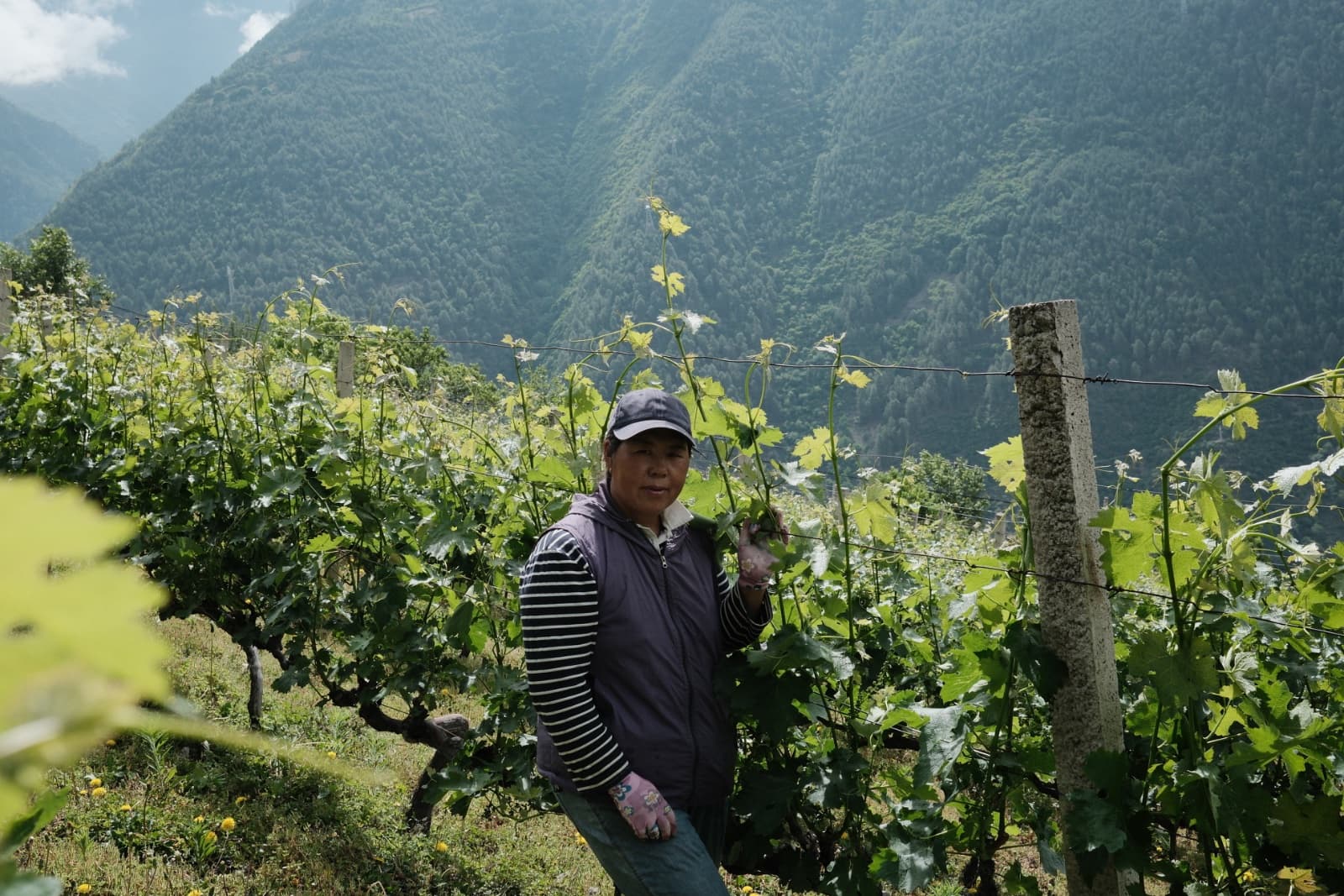
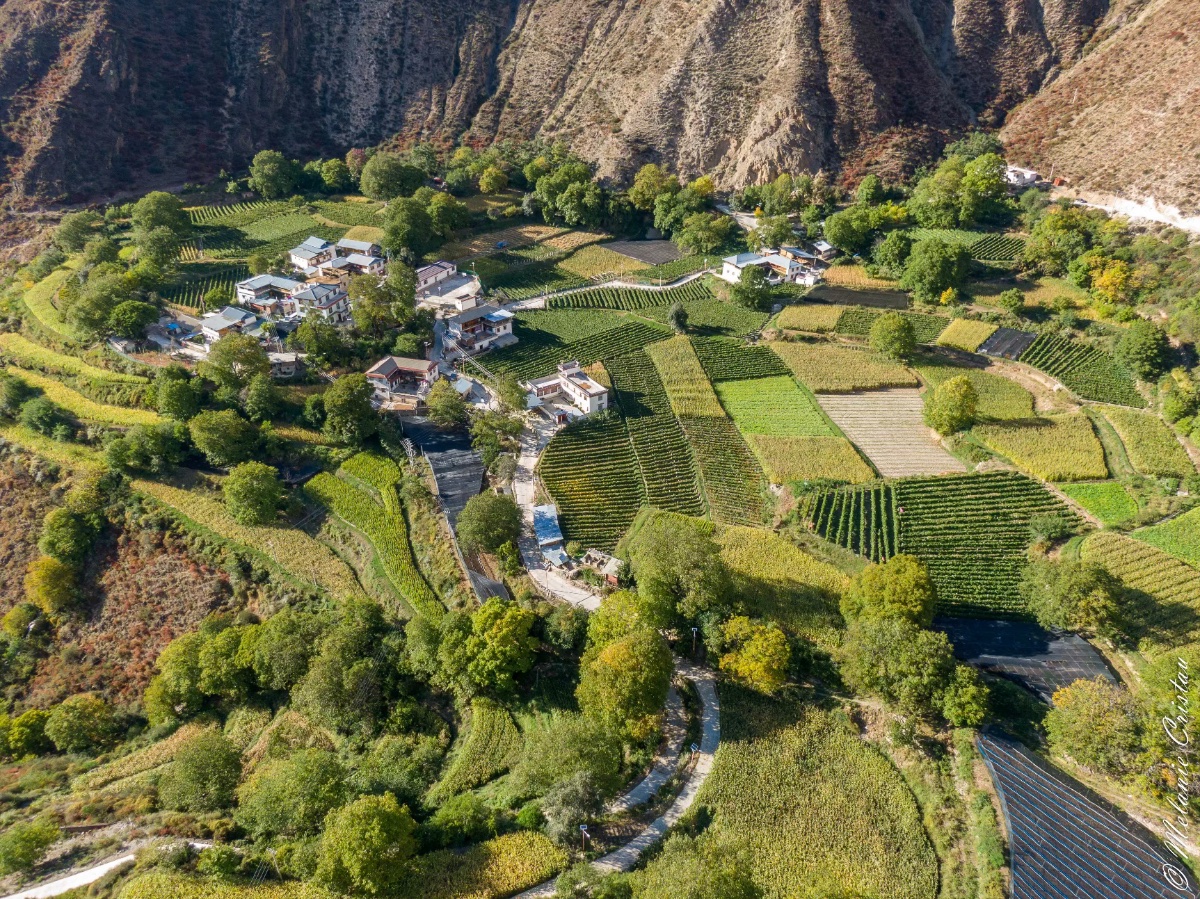
Yunnan native Mama-jie, who takes care of these high altitude vineyards of XiaoLing.
If it had been anyone other than Bertrand Cristau, it would have seemed preposterous. A Frenchman, Chinese wines? And from one of the best, if not the best, wine region in China?
“My English isn’t that good, my Chinese is better than my English!” is what Bertrand repeats while laughing. Married to a Beijing native, Bertrand met his wife while at university. He speaks fluent Mandarin, with a sense of ease that many English-educated Chinese born in Singapore are unable to emulate.
While initially drawn by curiosity to China in 1980, he started living in China from 1982. He shares of his wife, “That changed the course of my life. It is fair to say that she is the reason I stayed all these years.”
In 2014, XiaoLing started making wines in Tsekou, or 茨古 in Mandarin. Bertrand took over their operations officially in 2017, and stayed till today. Through the last decade, XiaoLing has trained famed winemakers the likes of Yves Roduit of Château Roduit and Mu Chao, who helmed the winery from 2017 to 2019. Today, Muxin’s wines are highly sought-after both in China and globally. Winemaker Feng Jian took over the winery since 2019, who now also has his own cult label Ming Yi.
There are prominent Burgundian links to this high altitude winery in Yunnan. Bertrand is from the Bouchard Père et Fils family, and he used to sell their family’s wines for his uncle in China. In 2016, Sylvain Pitiot, who was the long-standing manager and technical director of Clos de Tart, joined XiaoLing in 2016 as a shareholder and advisor. In a region that is described as the Burgundy of the East, it is not difficult to see the draw. Perhaps waving this around would have been enough to compel people to buy the wines, but XiaoLing’s focus is never on that narrative.
XiaoLing works with 76 different micro-plots across 13 villages in Yunnan region, totalling up to about 6 hectares — that’s less than 0.1ha per plot. Beyond this complex mosaic of vineyards, XiaoLing’s entire operation is intertwined with the local community.
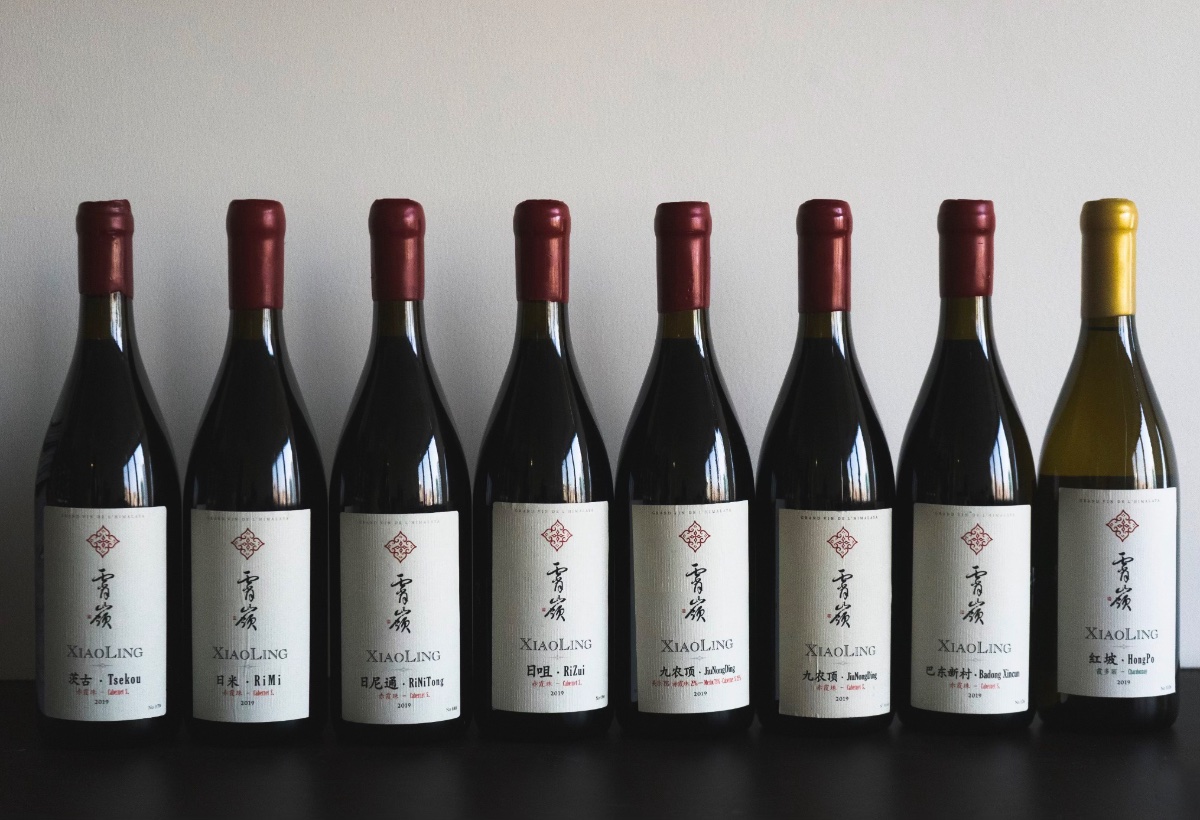
Almost every winery making wines in China speaks of this “working with the local community”, but exactly how much is corporate jargon is difficult to tell. But when I took the arduous journey across these winding mountain roads to XiaoLing in May this year, the team at XiaoLing very affectionately called Bertrand “老白” (lǎo bái). That alone speaks volume of their relationship with the local community.
“Xiaoling is a social enterprise in a remote region of the Himalayas,” shares Jeremie. The family views XiaoLing as a way to elevate the quality of life in the region, and they wish to support the community “because they have such a rich and unique culture”.
“The first year we went there, there was only dirt roads, and there was no toilets nor showers in the their houses!” shares Jeremie, Bertrand’s son. “Today, the community is much more connected, and here we are, in Singapore talking about them.”
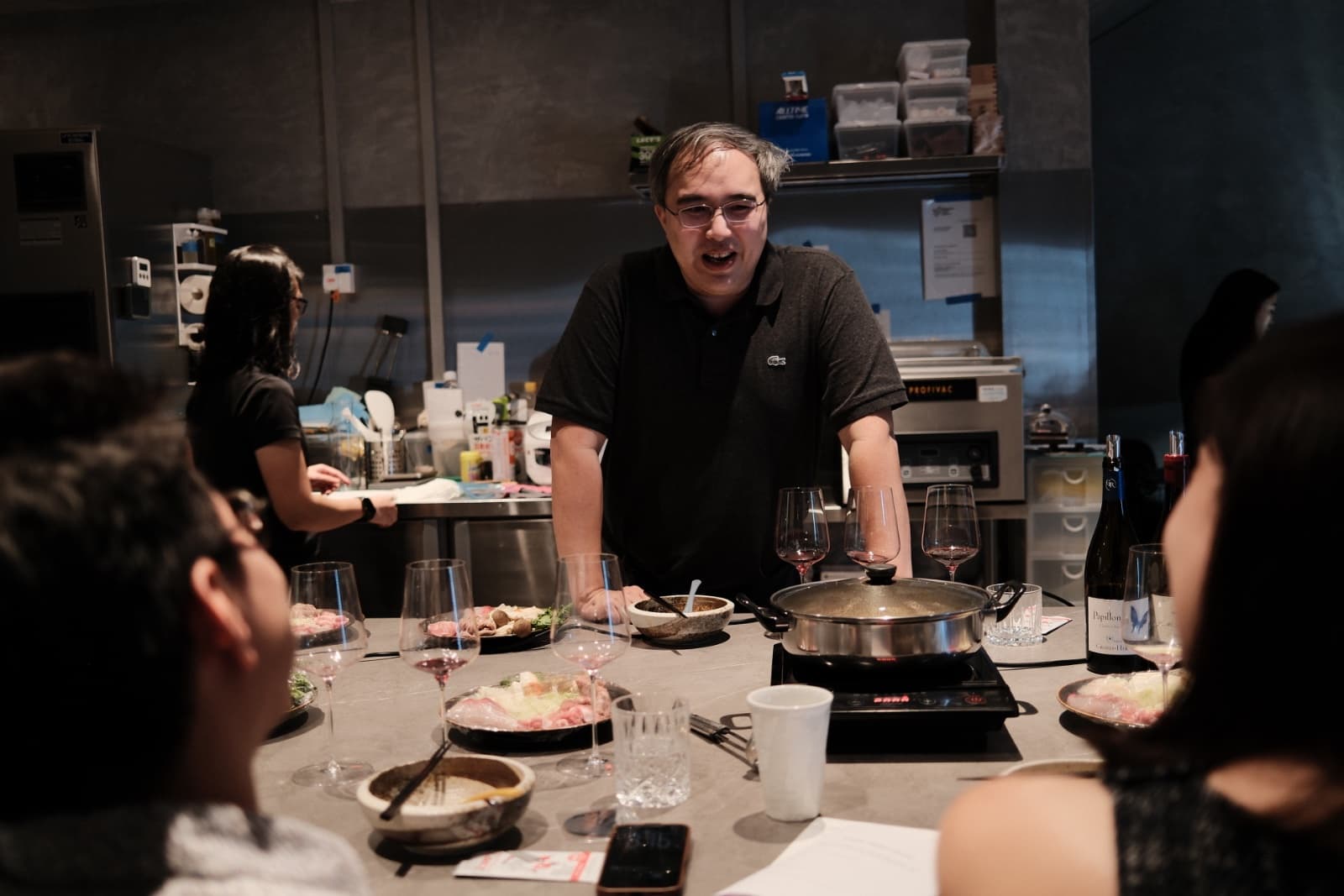
It is perhaps one of the most heartwarming dynamic, watching Bertrand and Jeremie interact over their recent trip to Singapore. This father-son duo could not be more different, with Bertrand being more reserved and dignified, while Jeremie bringing vibrancy and energy.
“My son and I, are like two sides of the same coin,” shares Bertrand. “We are very different and that is precisely why we work so well together.” Bertrand describes himself as an engineer by nature, focusing on the structure, logistics, and the technical dimension of viticulture. On the other hand, Jeremie is more of a philosopher and thinker, reflecting and approaching problems from angles Bertrand would have never considered and viewing the valleys of Yunnan with a fresh lens.
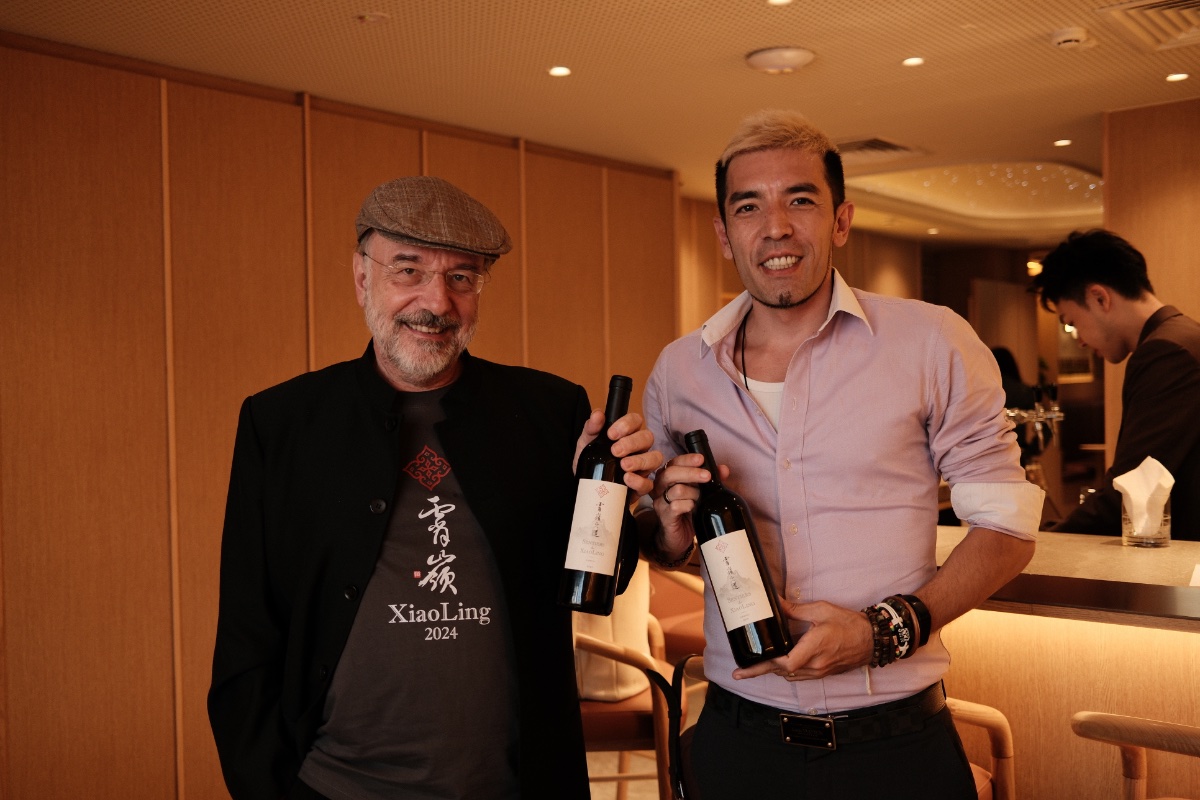
Bertrand states that they challenge each other and build something together that neither of them could create alone. “Where I see parcels, he sees people. Where I bring experience, he brings intuition,” Bertrand shares of his son. “He has a natural talent to connect with the local community and families, understanding their concerns and translating their perspective into decisions that strengthens the project.”