A lineup of French wines in the exact drinking window: the case for cellaring to drink at its peak.

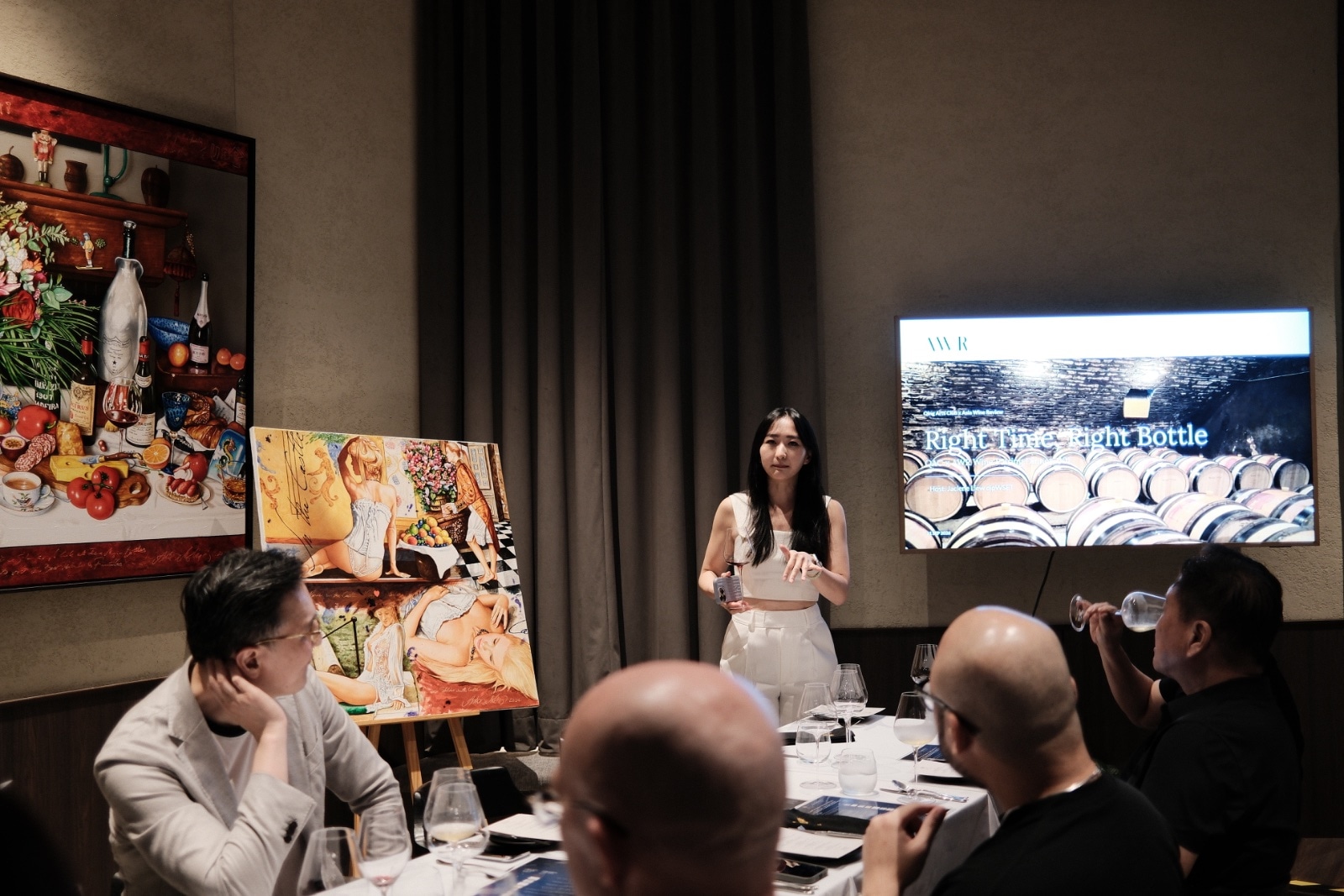
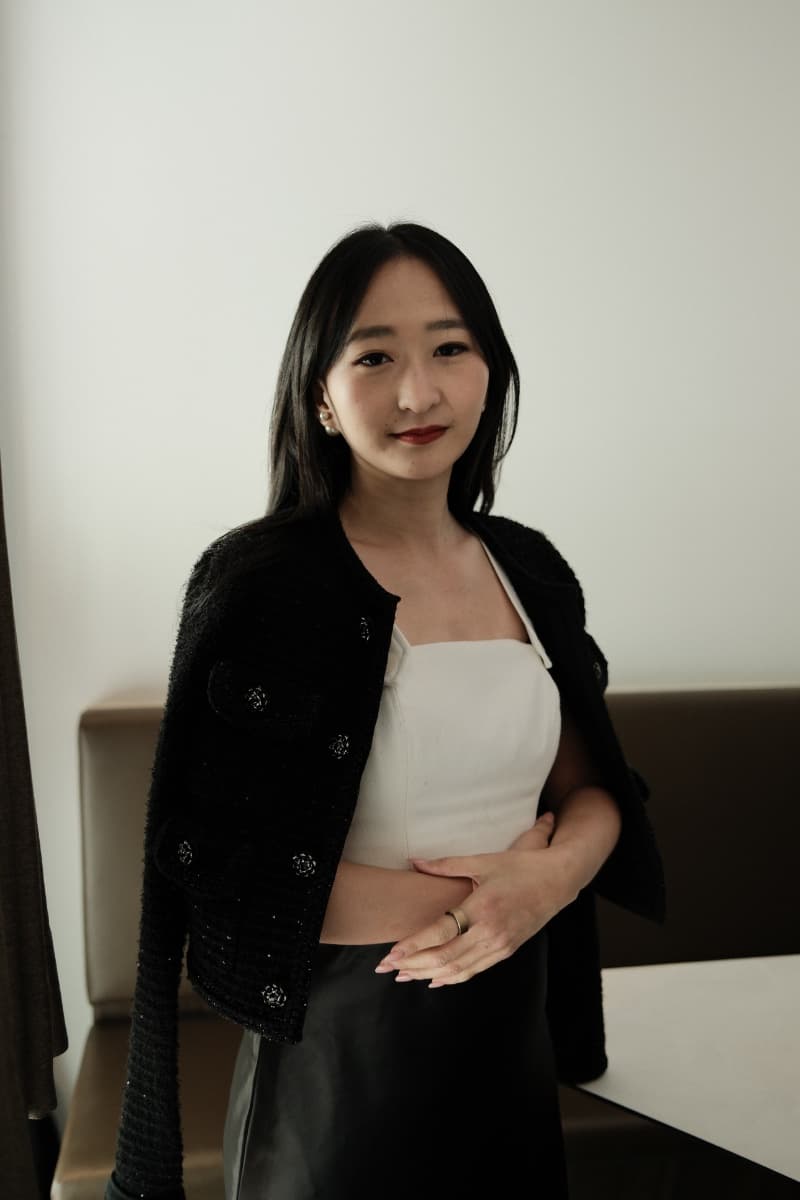
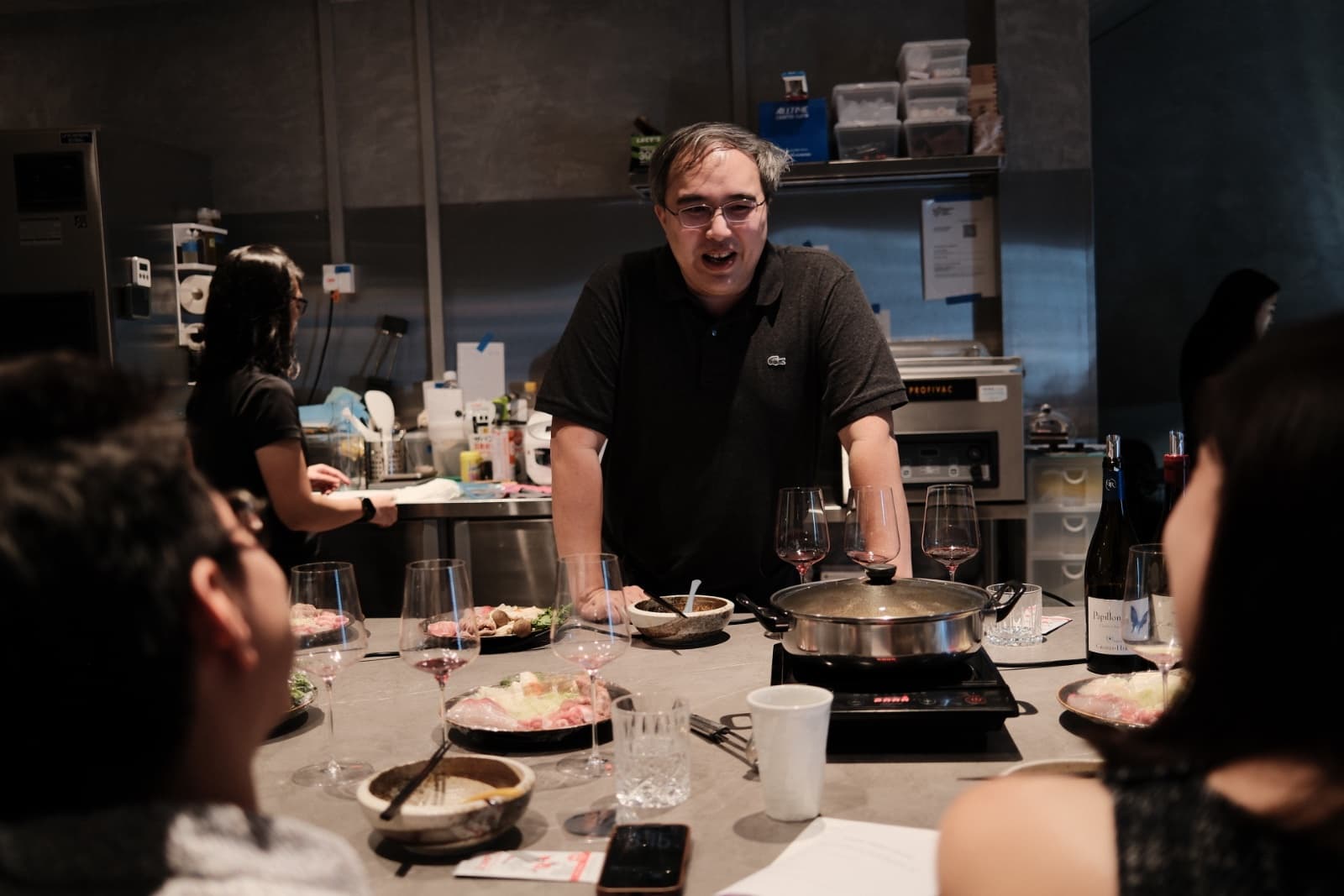
Event was held at Black Lion Steakhouse, hosted by Editor-in-Chief Jaclene Liew. (Photo Credit: AWR)
Many wine collectors have a cellar full of wines they have little idea what is inside. Sometimes, they miss the drinking period.
Clareti Wine Club was built for this: every bottle has a window where it's actually ready to drink, and the only reason to hold onto anything is to open it inside that window, not to hoard a label as a social proof. At a wine dinner at Black Lion Steakhouse inside Qing Arts Club in Kuala Lumpur, the five wines on the table were chosen that way — they are all, right now, exactly ready to drink.
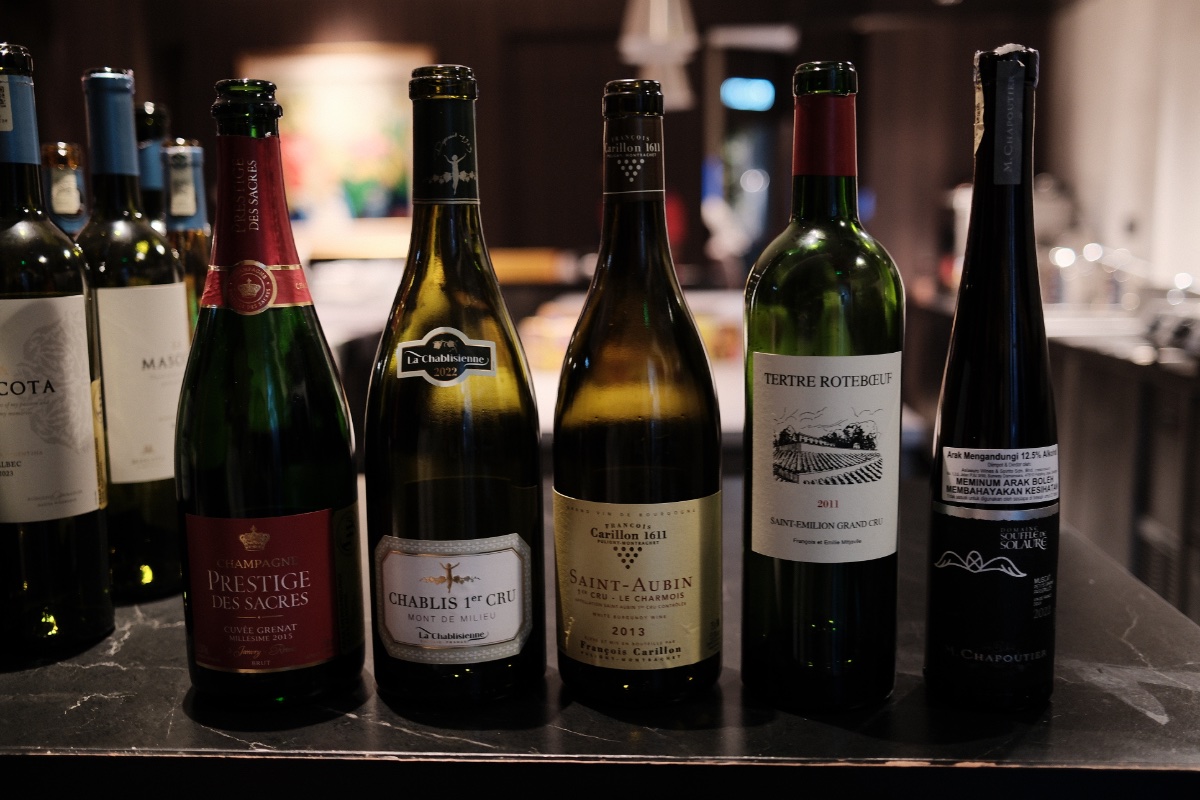
The house's own cellarmaster calls 2013 a vintage that needed patience. The 2013 Champagne Prestige des Sacres Cuvée Grenat spent over five years on lees before disgorgement, then another six months in bottle after that, long even by this house's own standard. Thirteen years out, the apple and almond are still there, but toast and brioche now prominent, showing up in a way that is possible only with time. Developed and at its peak. It was a statement to start the night, next to the Wild Caught Black Cod Roulade.
La Chablisienne is a co-operative, and arguably one of the most successful examples of co-op anywhere in the world. 2022 Mont de Milieu ran warm in Chablis, generous and ripe, but still the acid held its shape. Such a wine is exactly a wine that is drinking beautifully. The 2022 vintage gave the wine riper stone fruit against the saline backbone Chablis never quite loses. Apt, when served with the seared Hokkaido scallop.
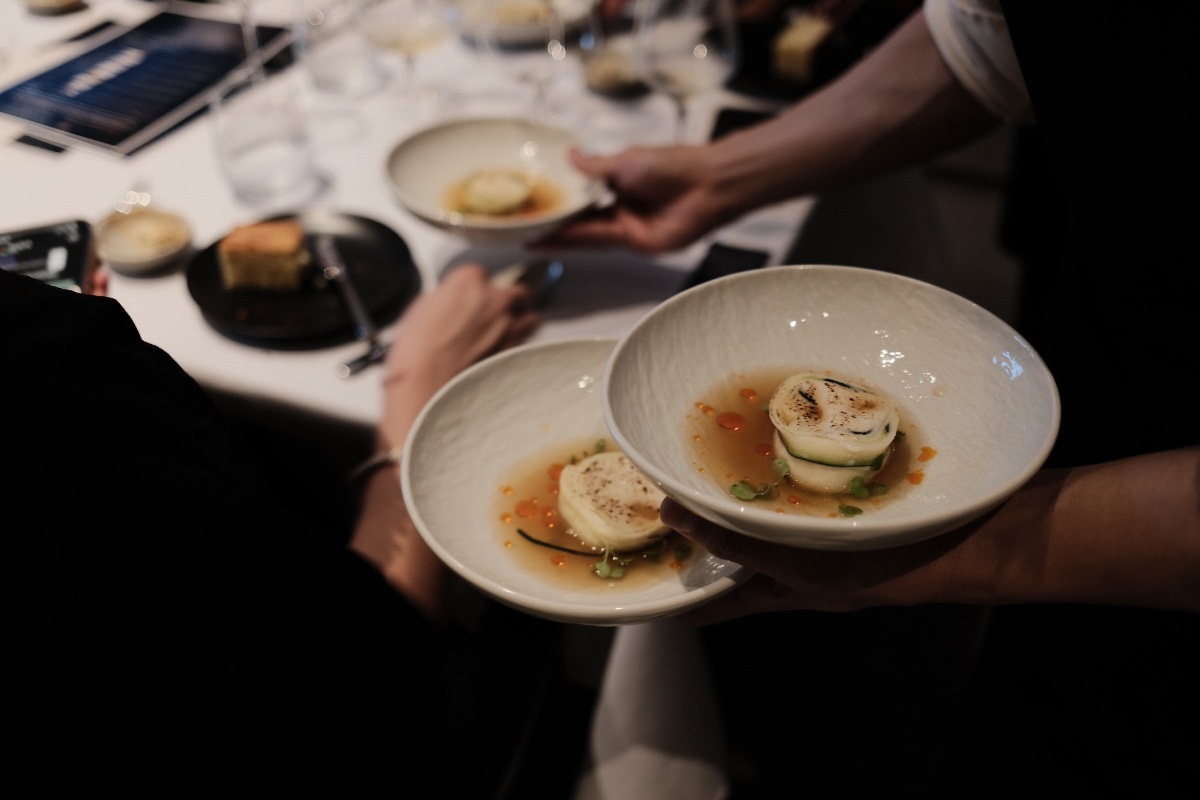
Saint-Aubin is often seen as the little cousin of Chassagne-Montrachet or Puligny-Montrachet. “It’s meant to be drunk young”, is what everyone will tell you. Drinking a thirteen years old Saint-Aubin is unusual. But 2013 was a hard year to grow through, bad flowering and disease pressure for months before a sunny November harvest saved it. What's left now in the glass is a low-yield, concentrated wine that has finished resolving and showing itself well. Domaine François Carillon's Les Charmois sits close enough to Chassagne-Montrachet to borrow its weight, which is why Burgundy people call it the mini-Chassagne. With the Raviolo al Tartufo, the umami from both the wild mushroom and black truffle complemented that wine to a T.
Château Tertre Rôteboeuf means the hill of the belching ox, and François Mitjavile has made every vintage off this single six-hectare plot by hand since 1977. This is the kind of name that is quietly passed around in collector’s circle, and often not recognised by new wine drinkers. 2011 gave him a hard year to work with, uneven heat, sudden rain, acid spiking early. But his signature late-harvest style let this wine sidestep the harsher tannic edge that marked many other châteaux that vintage. Fifteen years on, the oak integrated into the wine seamlessly, with hints of smoke and truffle again, a nod to the earlier raviolo course. While the more celebrated 2009 and 2010 from this estate are better off waiting a few more years in the cellar, 2011 is open and silky right now. Whether it was with the Sher Wagyu striploin or the Australian mountain lamb rack, attendees no doubt enjoyed the wine.
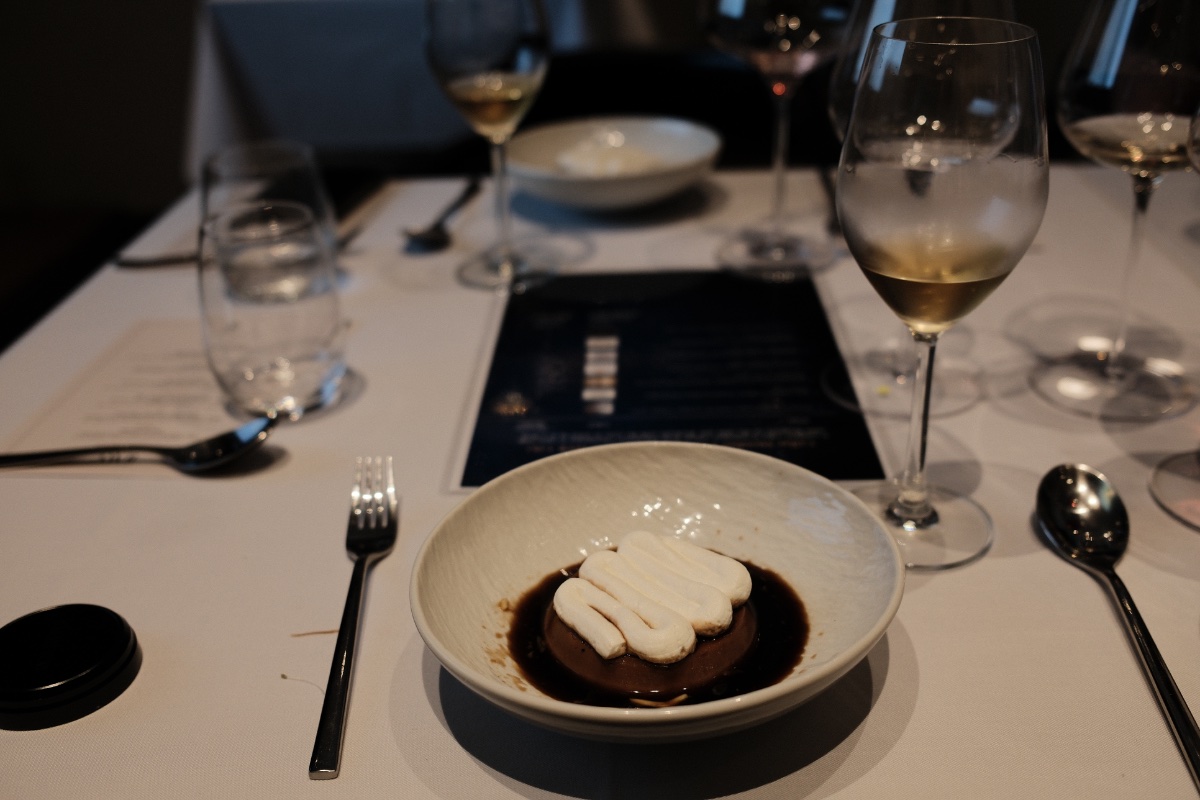
To close off the night, the Chapoutier's Muscat Petits Grains Passerillés 2022 comes from vines at 570 metres, high enough to keep the acidity vibrant and prevented the wine from being cloying. Wines from passerillage can live for decades, but even newly released ones are lifted and generous right now. It closed the night against a Homemade Flan, custard steam-baked with jaggery sugar.

On the surface, any other wine event. But when you look closer into it, there is much consideration behind it. Because there is a best window to drink every wine.
Asia's essential guide to wine, written for the Asian markets and tables
SGD 10.67/month, billed annually. Cancel anytime.
Already a member? Sign in