Asian Food & Wine
Uncorking Penang, Part 1: Elevating Malaysia’s Best Street Food with Fine Wine
Three of Penang's defining street food categories, and the wines that hold their own against them.
15 July 2026
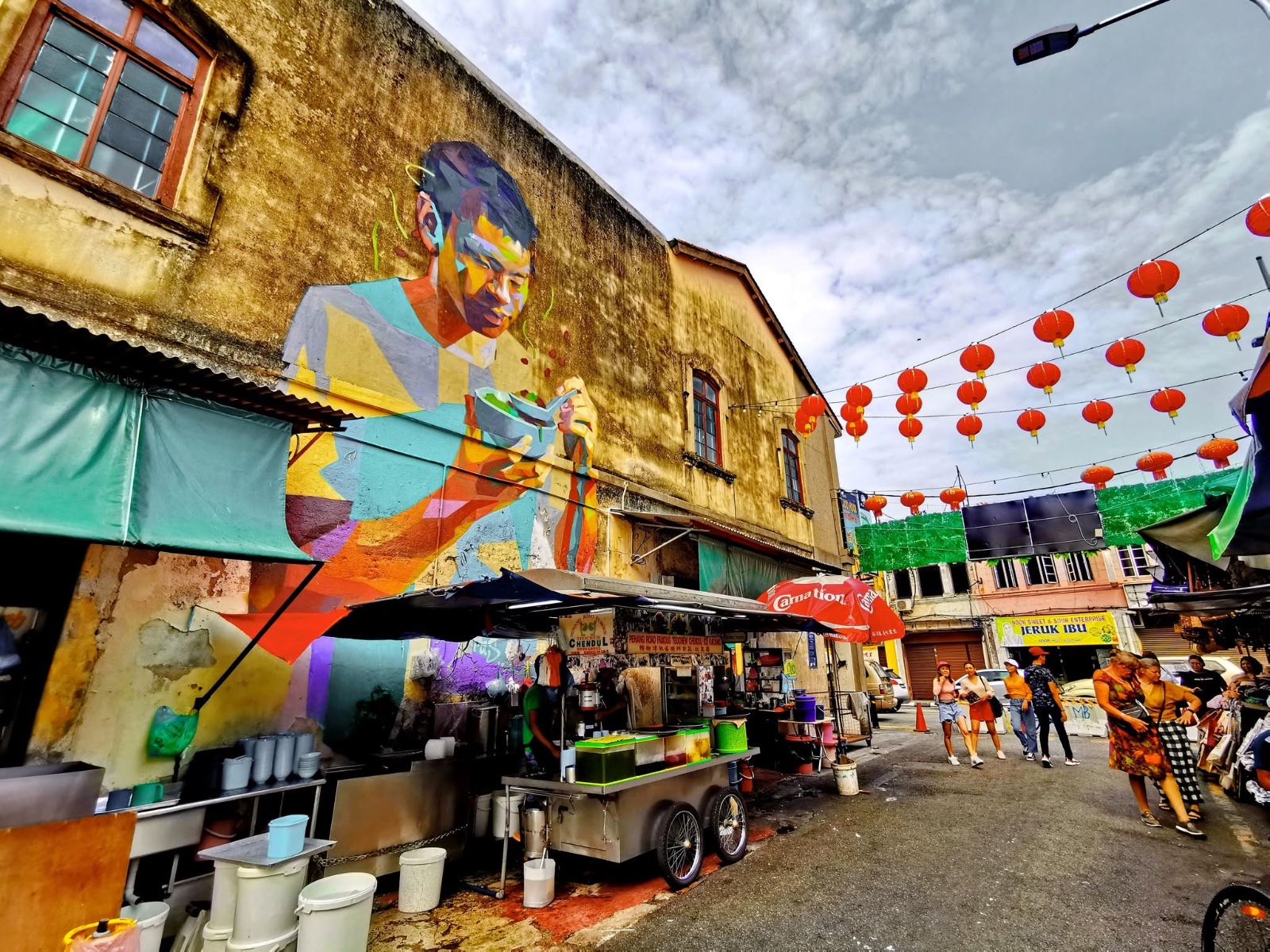
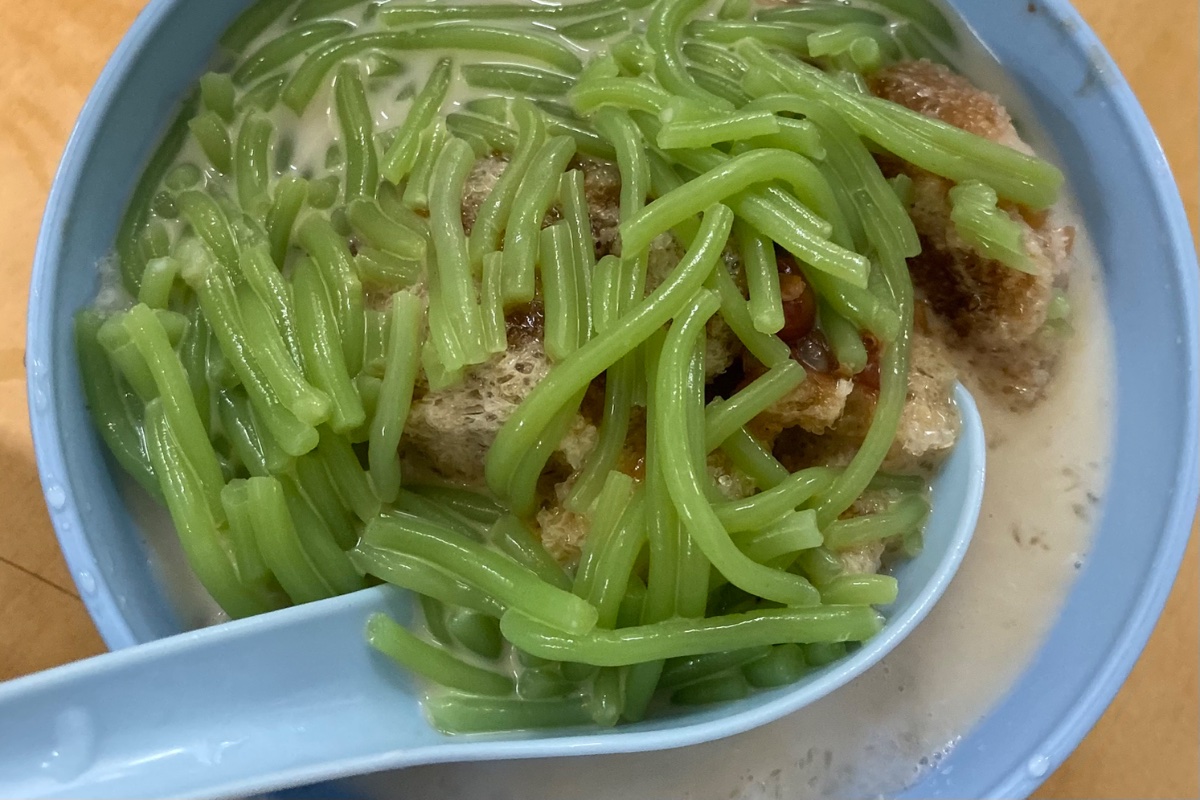
A Cendol Stall at Penang Road. (Photo Credit: Kenny Lee)
If you grew up in Penang, as I did, you know that our island’s street food is more than just sustenance; it is a religion. Penang earned its reputation as a global culinary capital thanks to centuries of multicultural cross-pollination. Wander down any street in George Town, and the air is thick with the scent of roasted shrimp paste, searing woks, and bubbling coconut curries.
Traditionally, the undisputed champions of hawker beverages have been a frosty glass of sugarcane juice, an iced kopi, or perhaps a cold lager to beat the tropical heat. But as a wine lover who frequently hosts fellow oenophiles visiting my hometown, I am often asked, “Can we pair wine with Penang street food?”
My answer? Why not! There is a lingering misconception that Asian street fare—with its explosive chillies, pungent herbs, and intense wok char—is the mortal enemy of fine wine. While it is true that an astringent, young red wine would clash horribly with fresh sambal, the world of wine is vast. By understanding the intricate profiles of our beloved local dishes, we can create pairings that are nothing short of magical.
So, pull up a plastic stool. Here are three categories of Penang's most iconic street food, and the wines that belong next to them.
1. The Soupy & Spicy
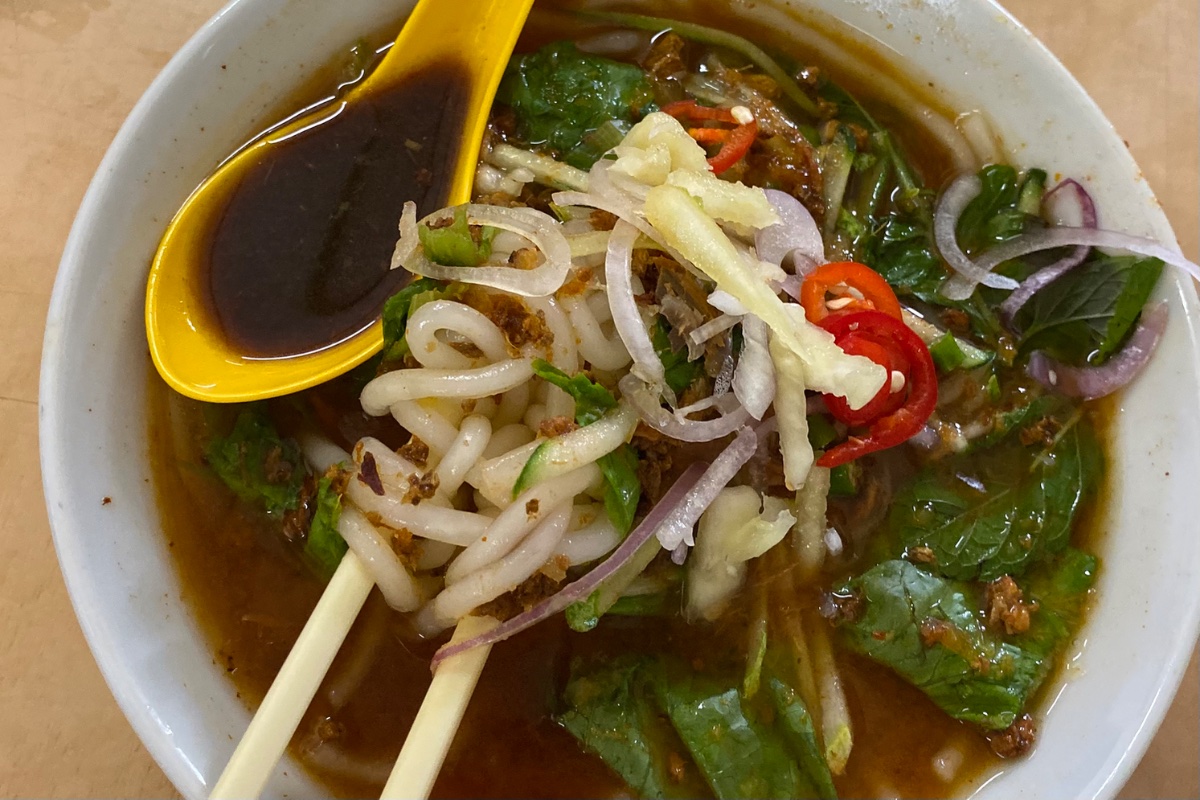
These are the fiery, rich, and aromatic broth-based noodle dishes that Penang is famous for. They are heavily spiced, incredibly fragrant, and often rely on deeply reduced prawn stock, fragrant coconut milk, or sour, seafood-based bases to deliver their punch.
Penang Hokkien Prawn Mee: A robust, umami-packed prawn and pork bone broth served with noodles.
Penang Curry Mee: Fragrant coconut milk-based curry soup served with a signature toasted chilli paste.
Penang Asam Laksa: An iconic, tangy fish broth loaded with tamarind, fresh herbs, and pineapple.
The Pairings:
Champagne Blanc de Blancs (Champagne, France): A 100% Chardonnay Champagne offers a razor-sharp, citrusy, and chalky backbone. The delicate bubbles and high acidity cleanse the palate beautifully against the rich, briny depths of Hokkien Mee’s prawn broth.
Riesling (Mosel, Germany): A Riesling with a touch of residual sugar (such as a Kabinett or Spätlese) is the ultimate thirst-quencher. Its vibrant, racy acidity cuts through the heavy coconut milk of Curry Mee, while the subtle sweetness effortlessly complements the tangy, tamarind-rich profile of Asam Laksa.
Pinot Noir (Hokkaido, Japan): From the cool, northern slopes of Hokkaido comes an incredibly elegant, light-bodied Pinot Noir. With its pristine red fruit, subtle earthiness, and lack of harsh tannins, this wine offers a beautiful cool-climate synergy that embraces the rich, umami-laden depths of these broths rather than fighting them.
2. The Wok-Fried & Charred
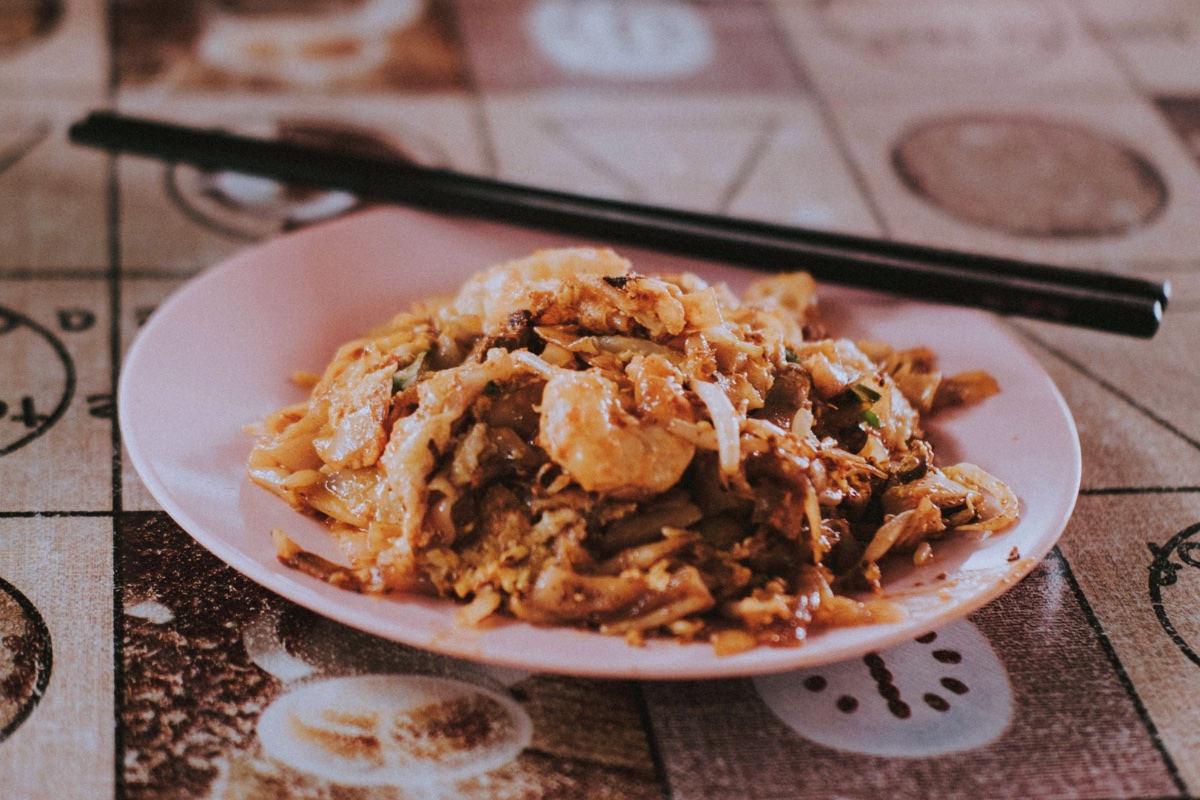
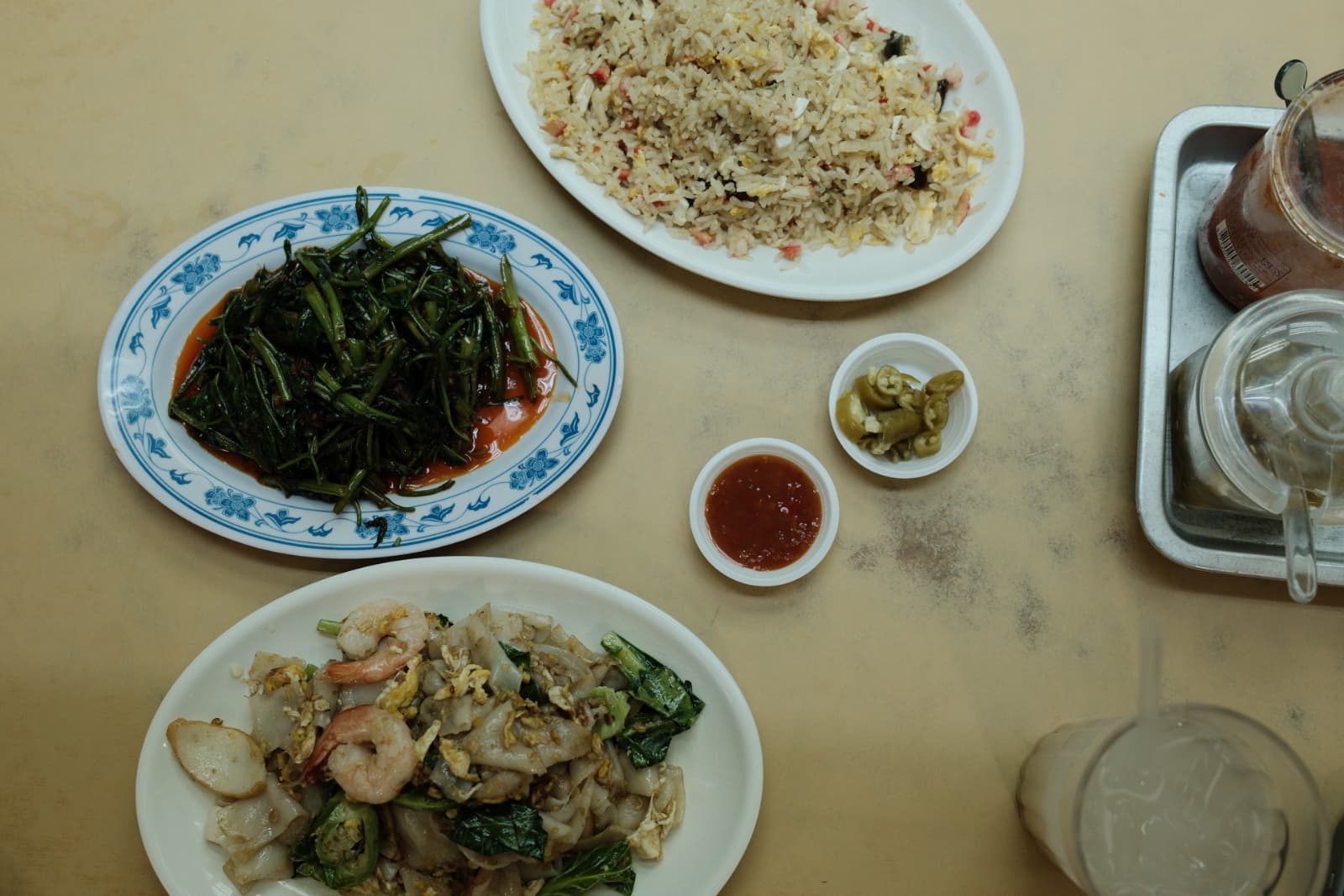
This category is defined by the legendary Wok Hei (the smoky “breath of the wok”). These dishes are stir-fried over intense, roaring flames, giving them a distinct smoky, deeply satisfying, and beautifully caramelised profile that demands wines with excellent structure.
Char Koay Teow: Flat rice noodles stir-fried with cockles, prawns, dark soy sauce, and rich duck egg.
Char Koay Kak: Umami-rich radish cake cubes wok-tossed with egg, bean sprouts, and dark soy.