Reviews
The Critics Panel, No. 001
How our AWR critics taste together in a panel, replicated for a table of AWR Founding Members.
15 July 2026
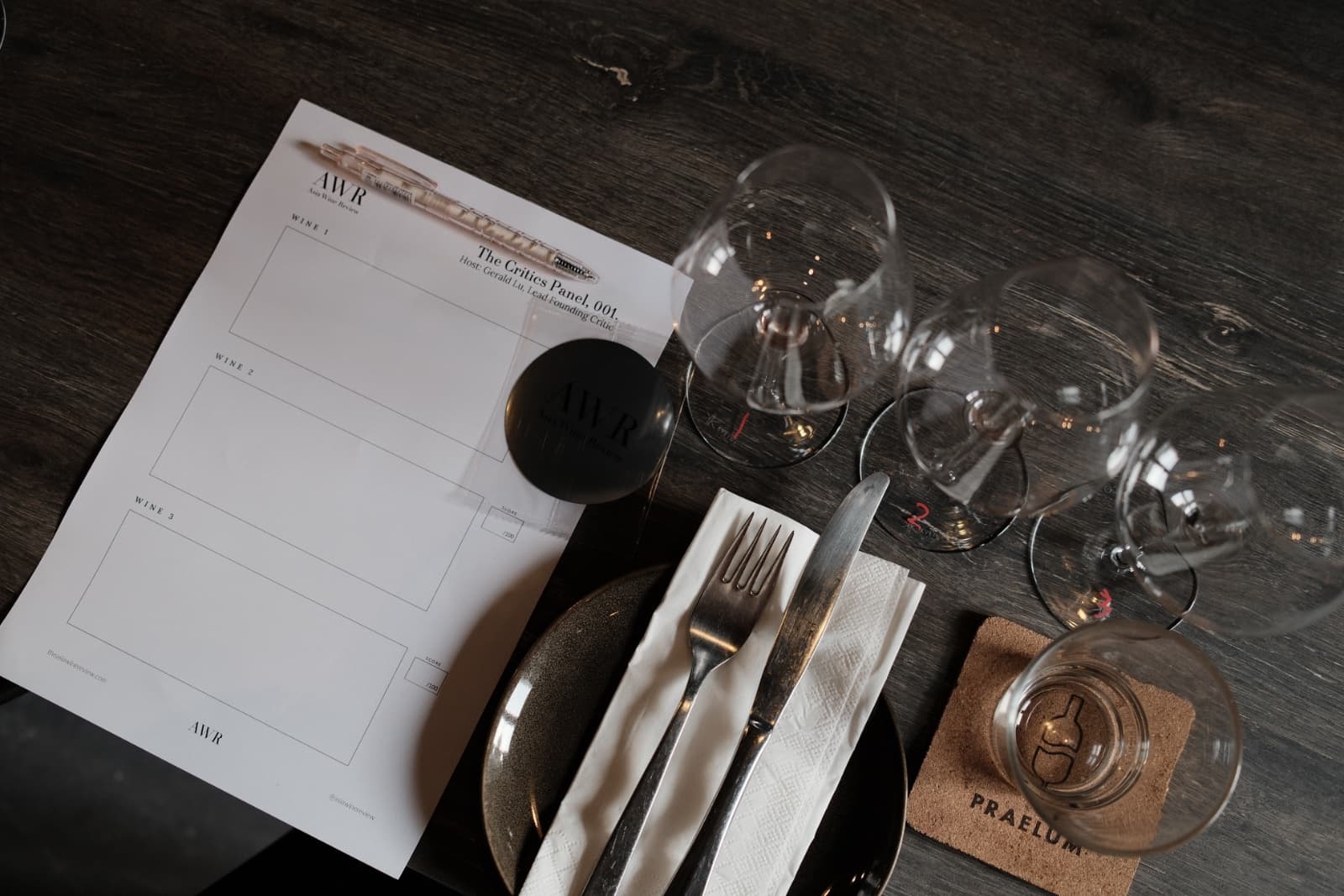
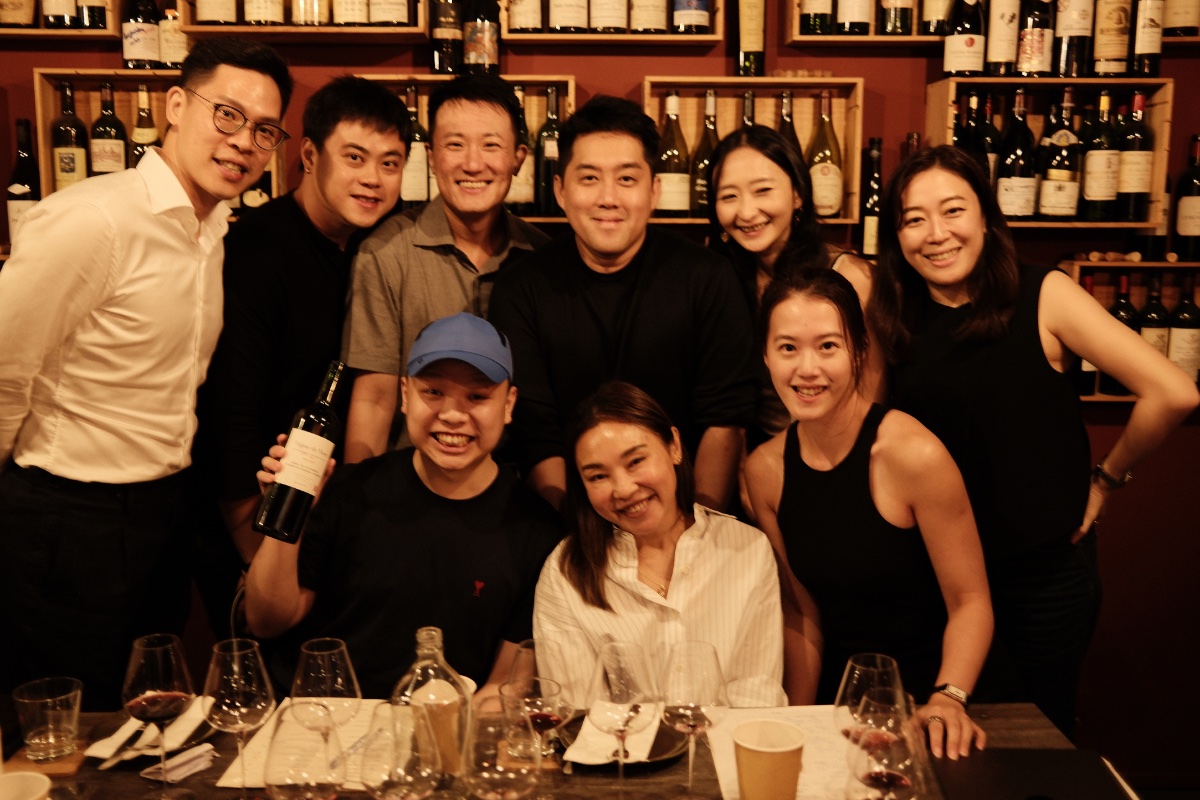
Our first version of Critics Panel, named 001, was held on 6 July 2026 at Praelum Wine Bistro. (Photo Credit: Jaclene Liew)
A question the team kept getting asked: how do the critics actually taste together? This series named the Critics Panel is our answer: a live, public version of the process that normally happens behind closed doors.
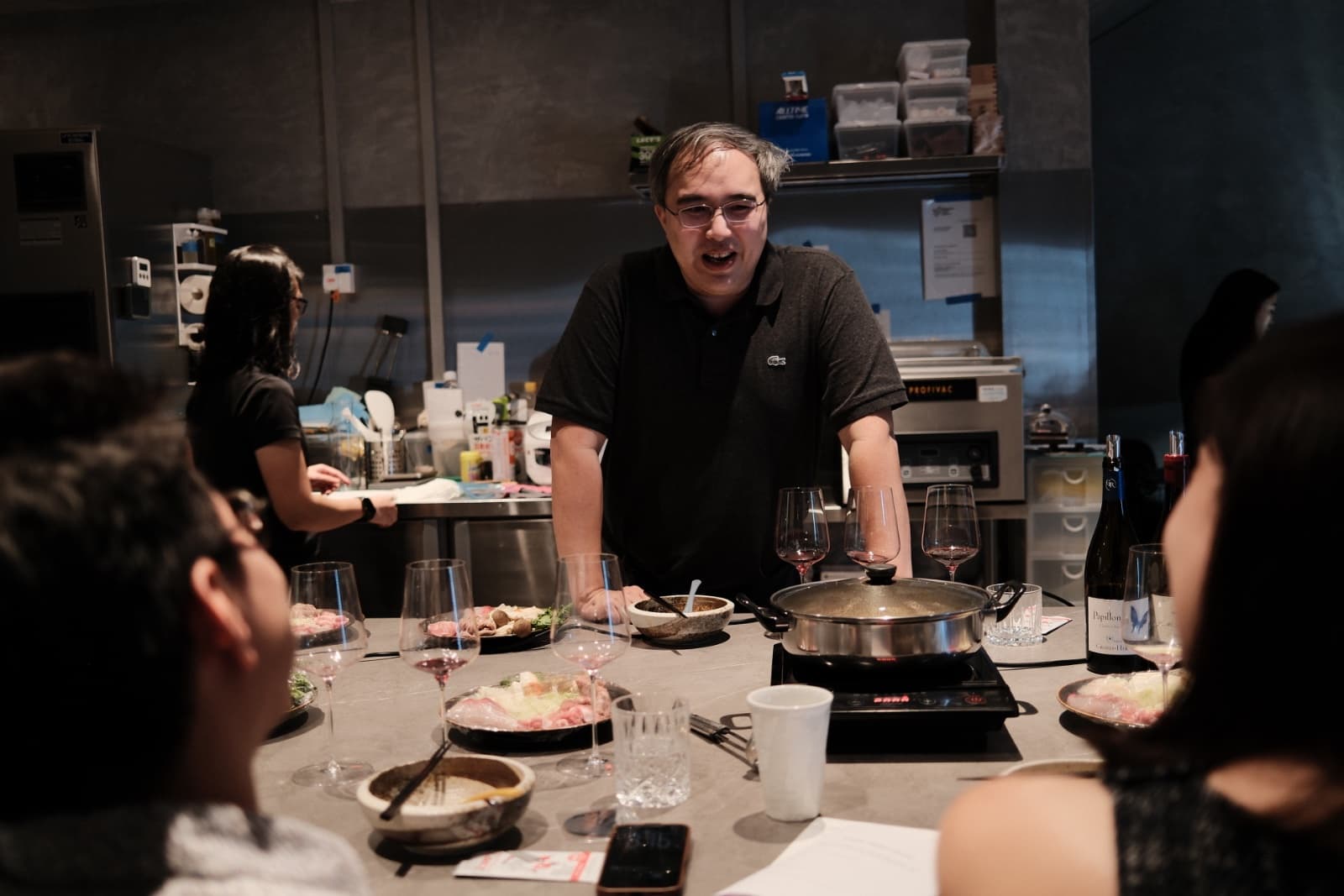
Gerald Lu hosted the first session on 6 July 2026. Beyond the obvious charisma and relatability, Gerald is AWR's Lead Founding Critic; and alongside Tan Ying Hsien MW and Editor Jaclene Liew, he has spent months iterating on AWR's tasting methodology. No one was better placed to open the series.
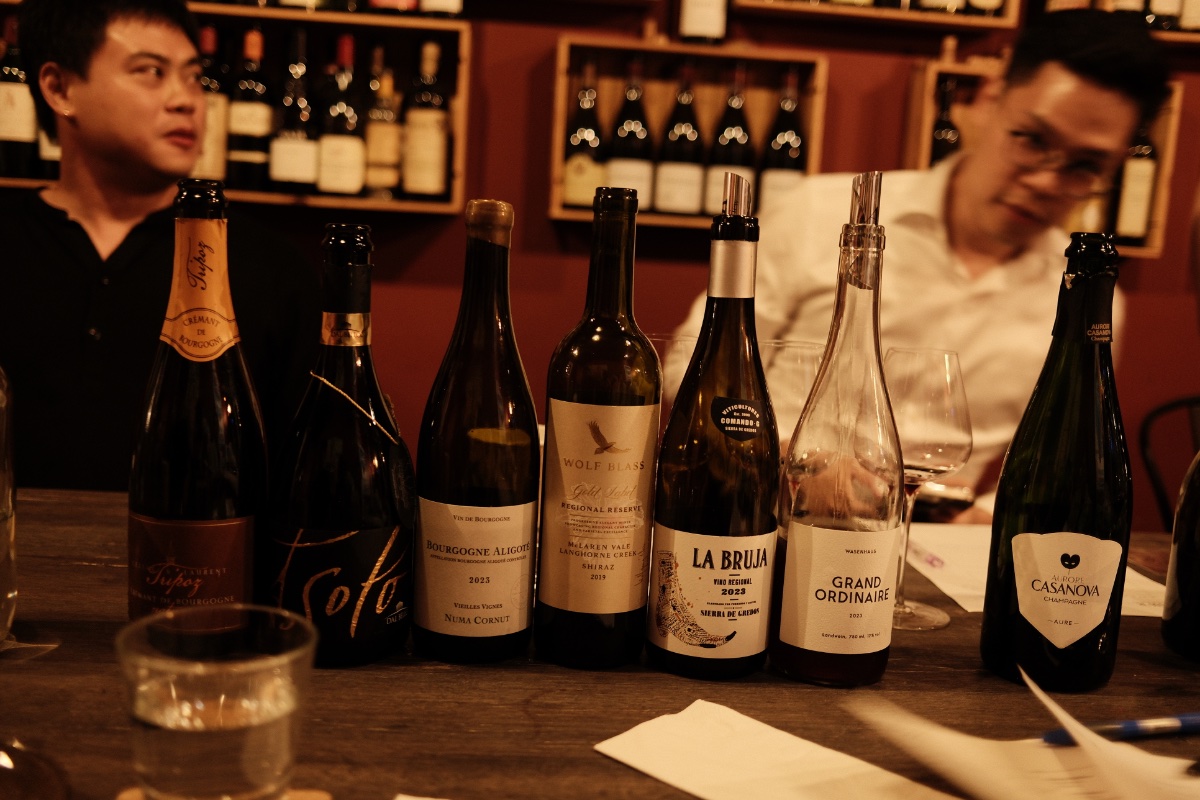
The wine list did two things at once: it replicated how our critics taste together, and it exposed attendees to styles they might never otherwise choose. Every bottle was tasted blind. In AWR’s methodology, this means producer and price point were withheld throughout, exactly as they are in an AWR panel tasting.
Gerald walked the room through the AWR 100-point scale for the first time in public: 85–89 is bronze, 90–94 is silver and 95–100 is gold. The bar is deliberately higher than most medal systems because for AWR, gold should mean something, not be handed out on volume.
Wine 1: 2019 Armand Heitz, Crémant de Bourgogne Blanc de Noirs
Most of the room landed at low silver. Both critics settled on high bronze. It was an interesting start, perhaps the context of it being traditional method but not from Champagne resulted in a higher score from the attendees.
Wine 2: 2025 Dal Bello, Asolo Prosecco Superiore DOCG Millesimato Demi-Sec
The room called it bronze, misreading the sweetness as low quality, a common misconception no doubt. The Brown Brothers Moscato comparison came up more than once. The critics disagreed, placing it mid-silver, and were clear: the sweetness is a style, not a flaw. The wine was otherwise aromatic and has sufficient concentration, with the sugar carrying the finish. In this case, the sugar helped the wine.
Wine 3: 2023 Domaine Numa Cornut, Bourgogne Aligoté
The critics scored 91–92. The room scored low bronze. Perhaps it was the unfamiliarity with Aligoté, a grape not often chosen the first choice when drinking a white Burgundy. This Aligoté had oak structure to carry the mid palate, with the classic Aligoté phenolic grip but another texture added.