Features
In the Name of Charity or Rarity? The Oldest and Most Famous Charity Wine Auction
Hospices de Beaune is the most prestigious charity wine auction a wine collector and merchant can participate in. On whether the premium paid is worthwhile, beyond the label.
1 September 2026
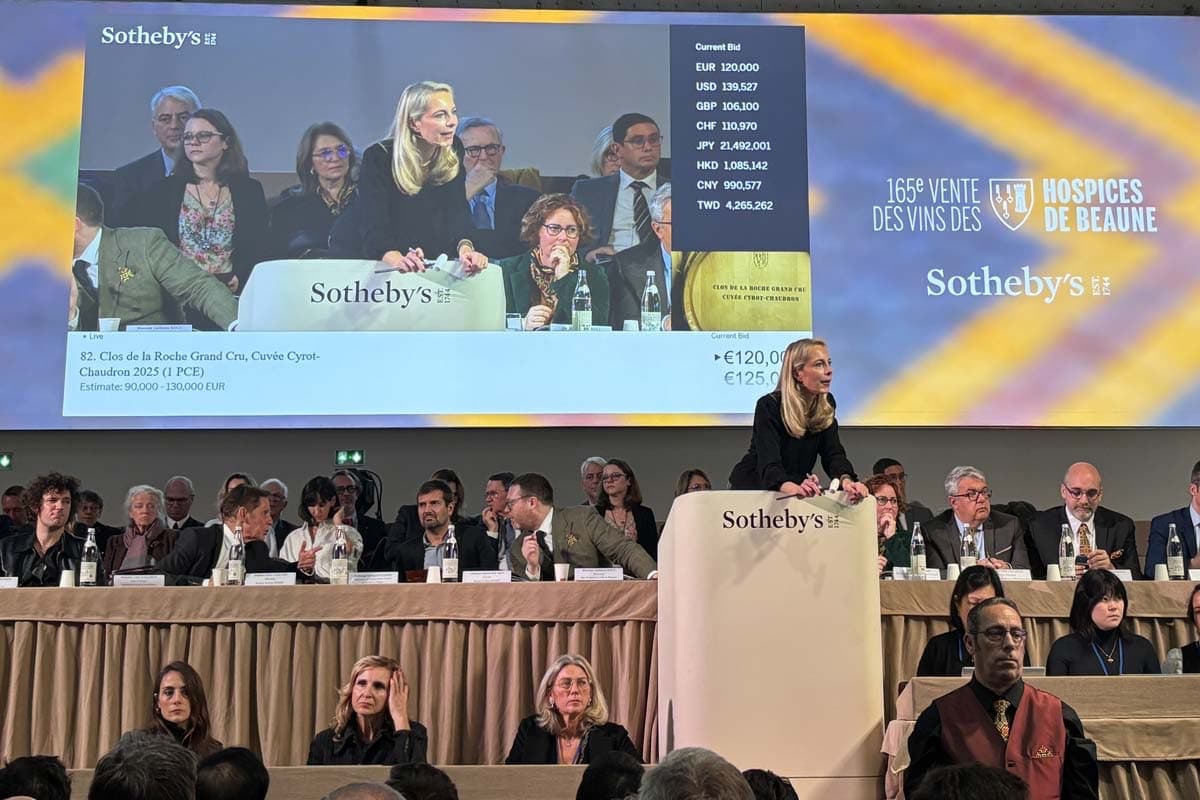
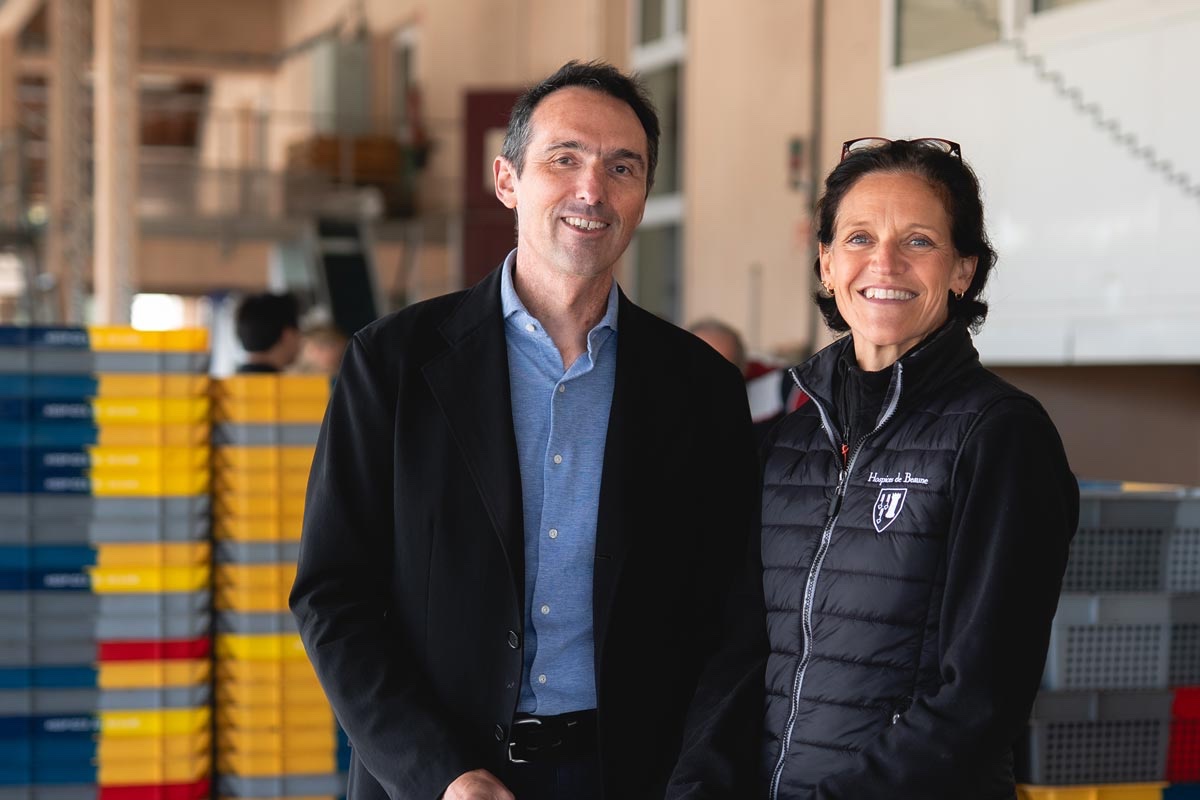
Sotheby’s was officially appointed as the auction house for the Hospices de Beaune in March 2021. (Photo Credit: Maison Albert Bichot)
Like any Burgundy bottle, a barrel of Hospices de Beaune is bought for the name on the label just as much as for what's inside it.
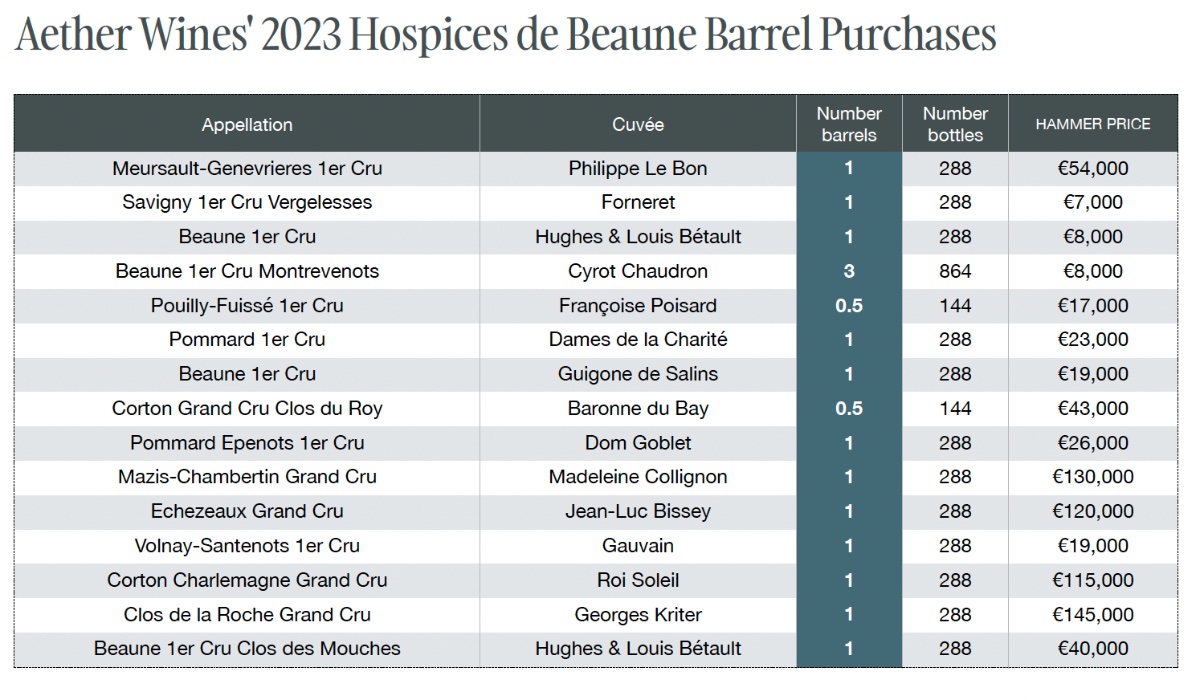
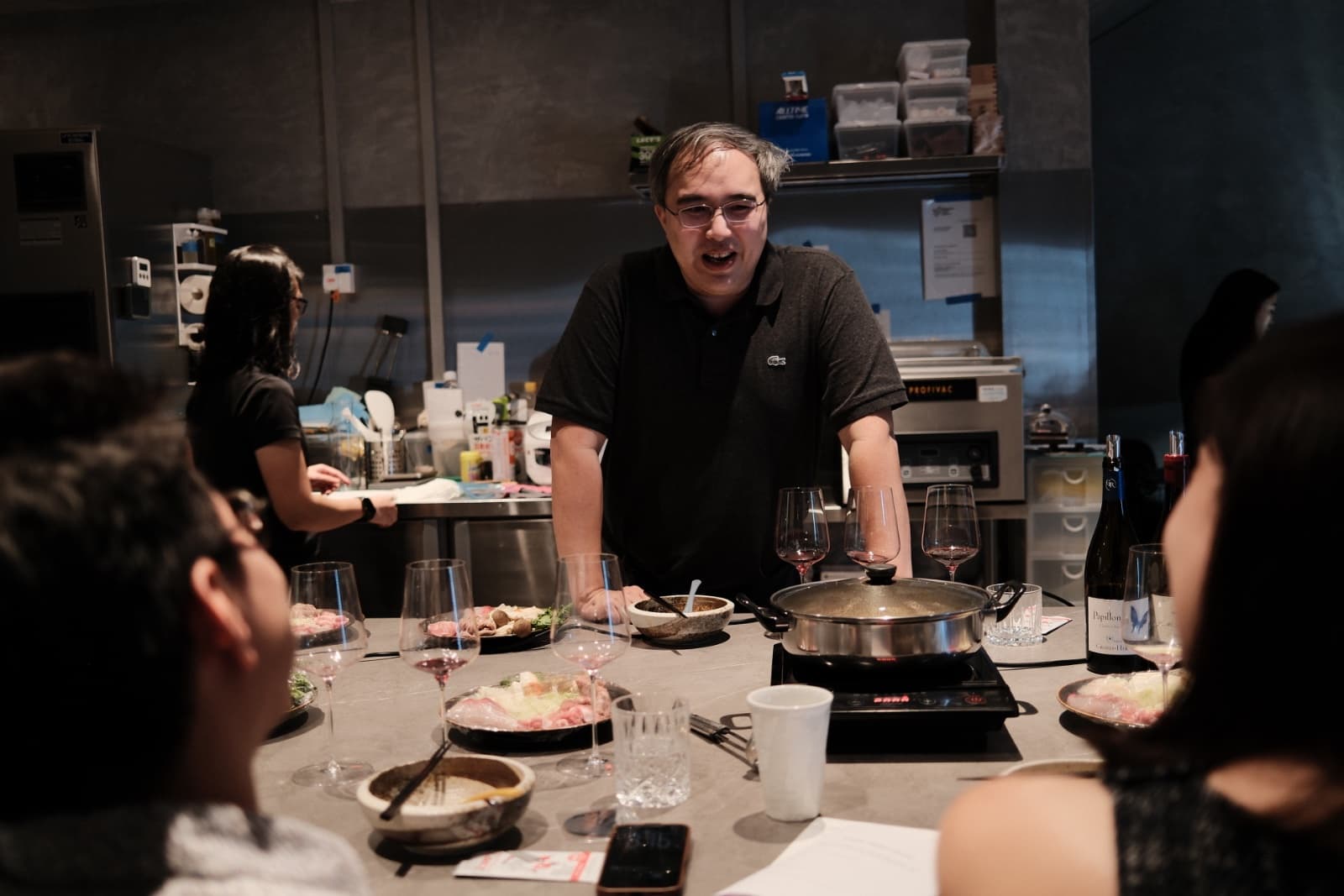
"Asian wine collectors purchase Hospices de Beaune wines primarily for their elite Burgundy pedigree, rarity, and status," says Douglas Soh, Managing Director of Aether Wines & Spirits, the Singapore importer whose participation at the auction predates the company itself, going back to 2014. The heritage and charity narrative matters too, Douglas adds, but it sits alongside the pedigree and status, not above it.
Unlike just any Burgundy bottle, a buyer can customise their own name on these Hospices de Beaune labels.
In a market where having face carries real weight, owning hundreds of bottles of a prestigious Burgundy with your own name (or a loved one's) on the label is its particular kind of currency.
What Exactly is Hospices de Beaune?
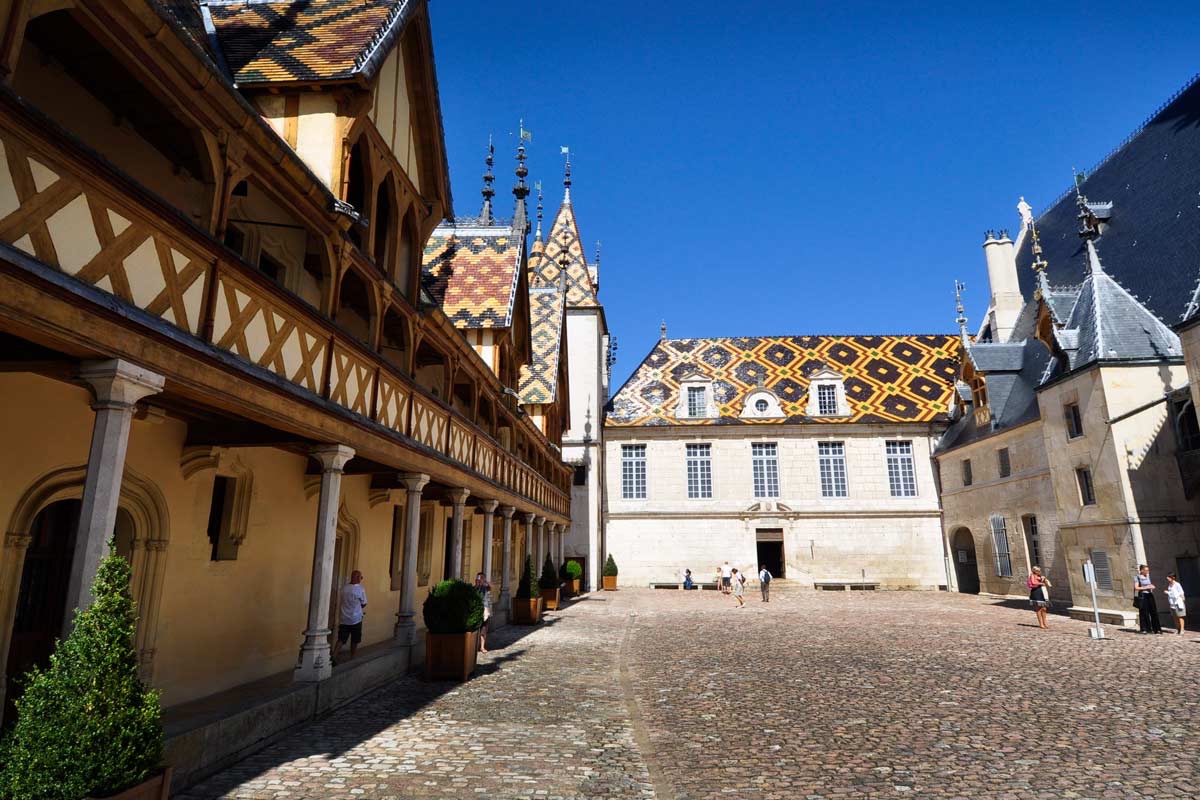
Hospices de Beaune is an umbrella term that comprises three distinct entities:
The Domaine des Hospices de Beaune, with roughly 60 hectares of donated Burgundy vineyards, with an overwhelming majority being Premier Cru and Grand Cru.
The Charity Wine Auction held every third Sunday in November.
The Modern Civil Hospital System of Beaune (Hospices Civils de Beaune), which operates a modern hospital facility funded by the revenue from the wine domaine and auction.
This charitable organisation was started in 1443, at the end of the Hundred Years' War. Back then, Burgundy was suffering from severe poverty and famine. Chancellor to the Duke of Burgundy, Nicolas Rolin, and his wife Guigone de Salins, established the Hôtel-Dieu as a free hospital to care for the destitute and sick.
Over nearly six centuries, the estate was built entirely through testamentary gifts and land donations from grateful patients, local aristocrats, and Burgundian families. The first recorded vineyard donation was from Jean Guillebert (also recorded as Jean Pamplays) and his wife in 1457 to support the hospital's operations, with the plot "Beaumont le Franc". Generous local growers continuously donated plots across both Côte de Beaune and Côte de Nuits. To this day, the domain’s individual cuvées are still named after donors to honour them, the likes of Cuvée Nicolas Rolin, Cuvée Guigone de Salins, Cuvée Dr. Peste.
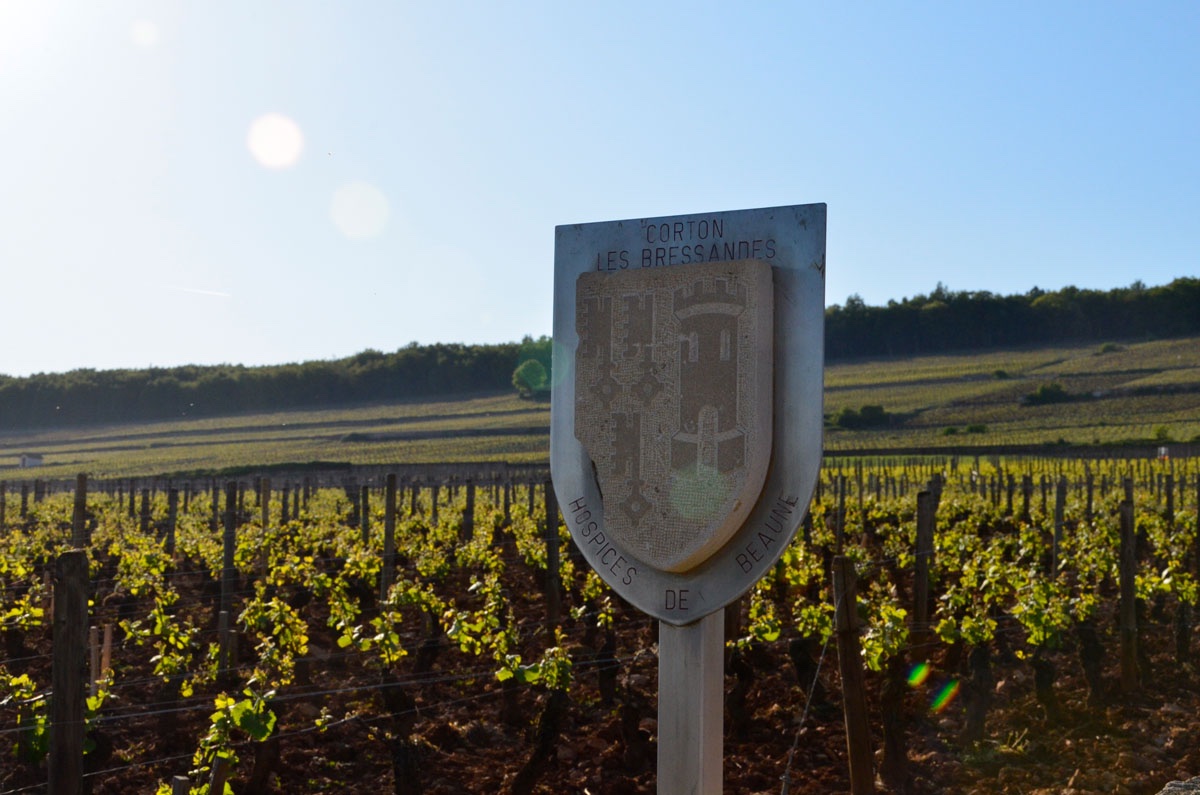
For the first three centuries, the estate primarily sold its wine through sealed bids, direct negotiations, or private sales to négociants (wine merchants). The format we now know as Hospices de Beaune’s annual auction today was formally established in 1859 under the leadership of Joseph Petasse.
The Annual Charity Auction in November
The hammer prices of Hospices de Beaune is more than just a donation. The auction acts as a primary barometer for the health, pricing and quality of the newest Burgundy vintage.
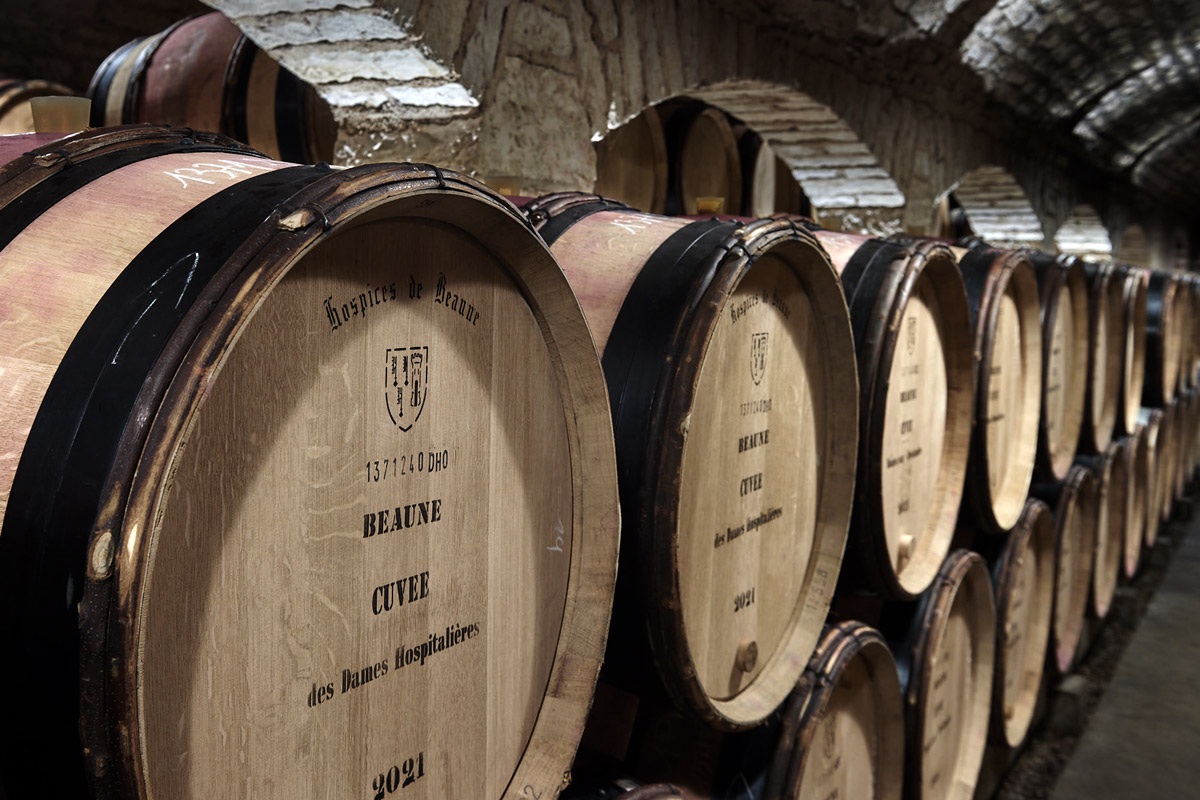
Today the Hospices offers 52 cuvées each year, with 34 red and 18 white wine cuvées; with none of it is sold as finished wine. Buyers bid on 228-litre barrels, known as pièces, each yielding approximately 288 bottles of wine that is only weeks old.
The winning bidder then appoints a Burgundian négociant to handle élevage, the process of ageing, racking, fining, bottling the wine. This is a role that Maison Albert Bichot has held as the auction's largest single buyer for decades, alongside houses like Maison Champy, Maison Faiveley, and Maison Bouchard Père & Fils.
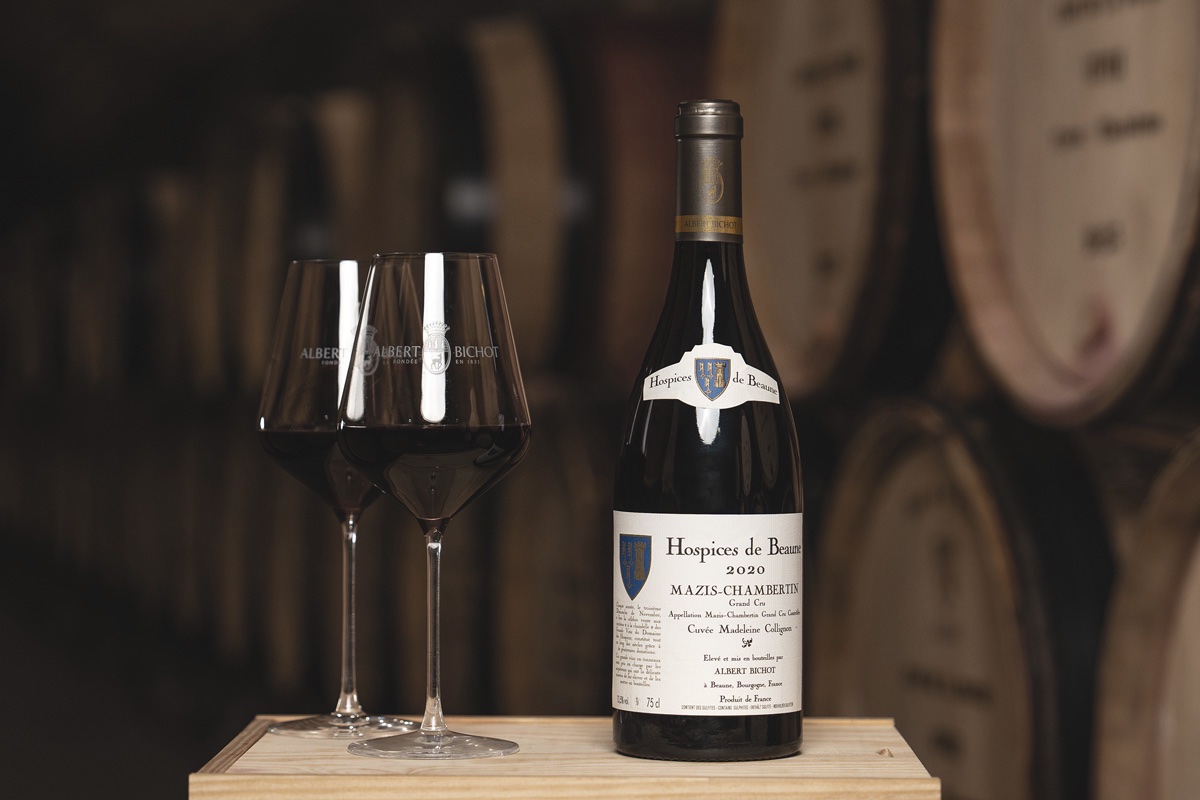
It's a two-year process, minimum, from hammer to bottle. And it's during that process that the buyer chooses toast level, racking schedule, bottling formats whether standard, jeroboam or larger — and of course, the buyers’ own words they are choosing to print on the label.