Perspective
Illustrating AWR's Scoring Methodology: Chicken Rice and Asian Mums
Why we do not publish scores below 85, and what our scores actually mean in words you can feel and understand.
1 September 2026

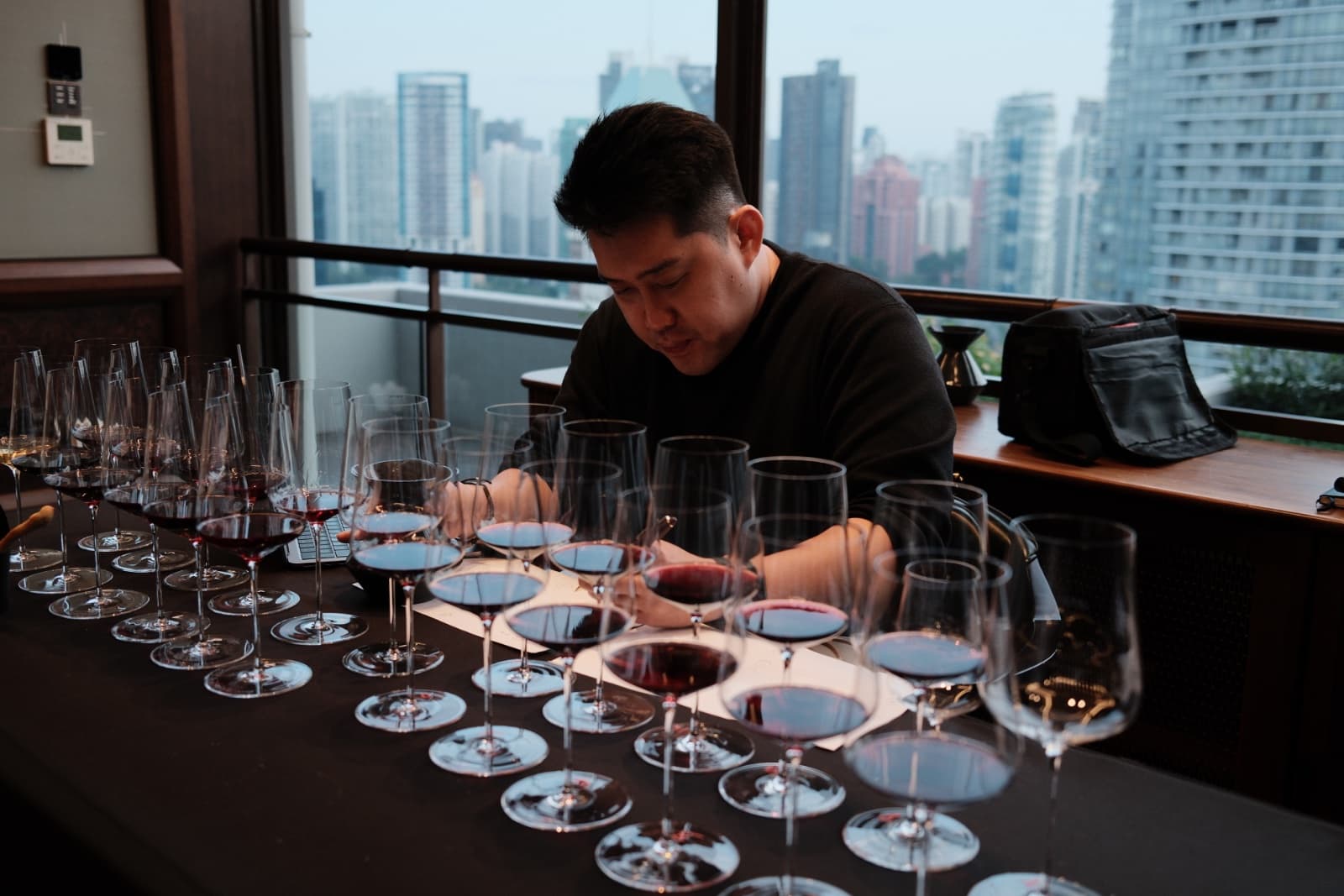
Our panel critics rate individually before debating scores. (Photo Credit: Jaclene Liew)
Choosing the sommelier profession as a Southeast Asian brought me into a world I never thought I would dwell in. Here I am, deep-diving into the world of wine, tracing its history, studying its geography, and craving a deeper understanding of the sciences behind it.
It was a combination of subjects I was never strongest at, paired with forging personal relationships with people of different ethnicities and generations across the world. Together, they built a strong emotional attachment to how I came to view the world of wine.
As I moved into my second decade in this industry, I began to find distaste for points, scores, and processes that codified and simplified a world where a number or a medal could stand in for understanding a wine. More importantly, these scores could affect a winery's business directly.
It was with a great deal of thought, and no small amount of debate with myself, that I took up the role of Lead Founding Critic with Asia Wine Review.
AWR scores on a 100-point system, guided by criteria drawn from the 20-point method — the full reasoning behind that choice, and how we score, is laid out in our other piece on AWR's methodology. What this article is about is what those numbers actually mean, once you strip away the mechanics. Because a score only matters if people can feel it.
So as the score moves south from 100, we cap it at 85. Anything below that, we do not publish. Even knowing there are poorly made wines out there, we hold the belief that no one sets out to make a bad wine on purpose. No need to shame those who fell short.
The Bronzes: 85 to 89 Points
In school, 85 points was pretty much the bare minimum before your Asian mum disowned you.
So for us, 85–89 points represents the everyday, decently made wine. Balanced, typical of its grape and region, right where it should be — serving its purpose, offering comfort and familiarity. Asian mum looks at you, takes a deep breath, and moves on.
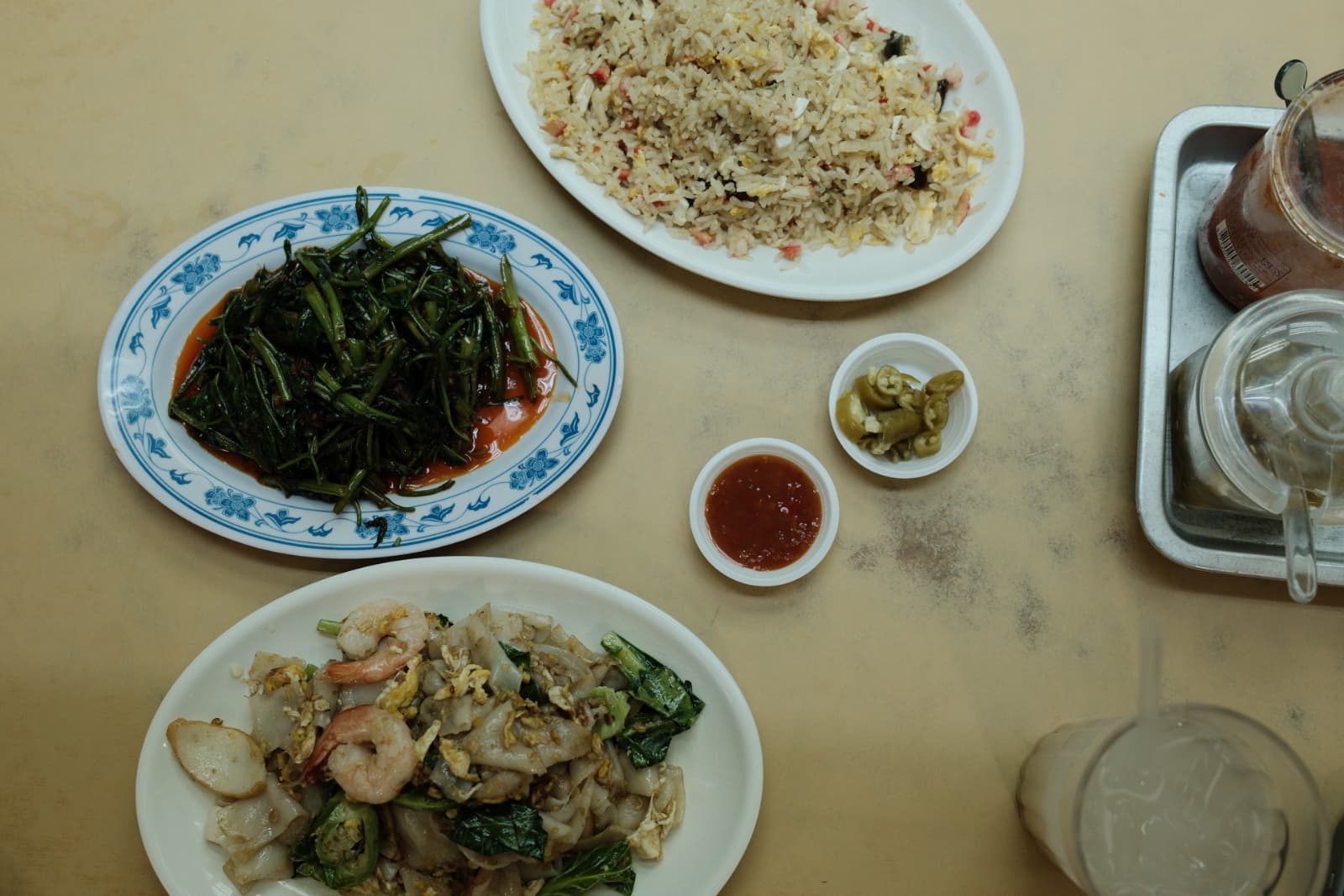
This is your everyday chicken rice, the kind you get around the hawker centre or the coffeeshop. You know it's chicken and flavoured rice, and it tastes like chicken and flavoured rice. The chilli sauce works, and they remembered the cucumber to make the plate look a little healthier and cool off the heat. Everyone gets it. No one complains, because everyone understands exactly where it sits.