Features
Tasmania: The Unstoppable Rise of Tassie Wine
On this elusive premium sparkling wine region you should know if you love Champagne, and why Tassie wine is made for Singapore market.
1 October 2026
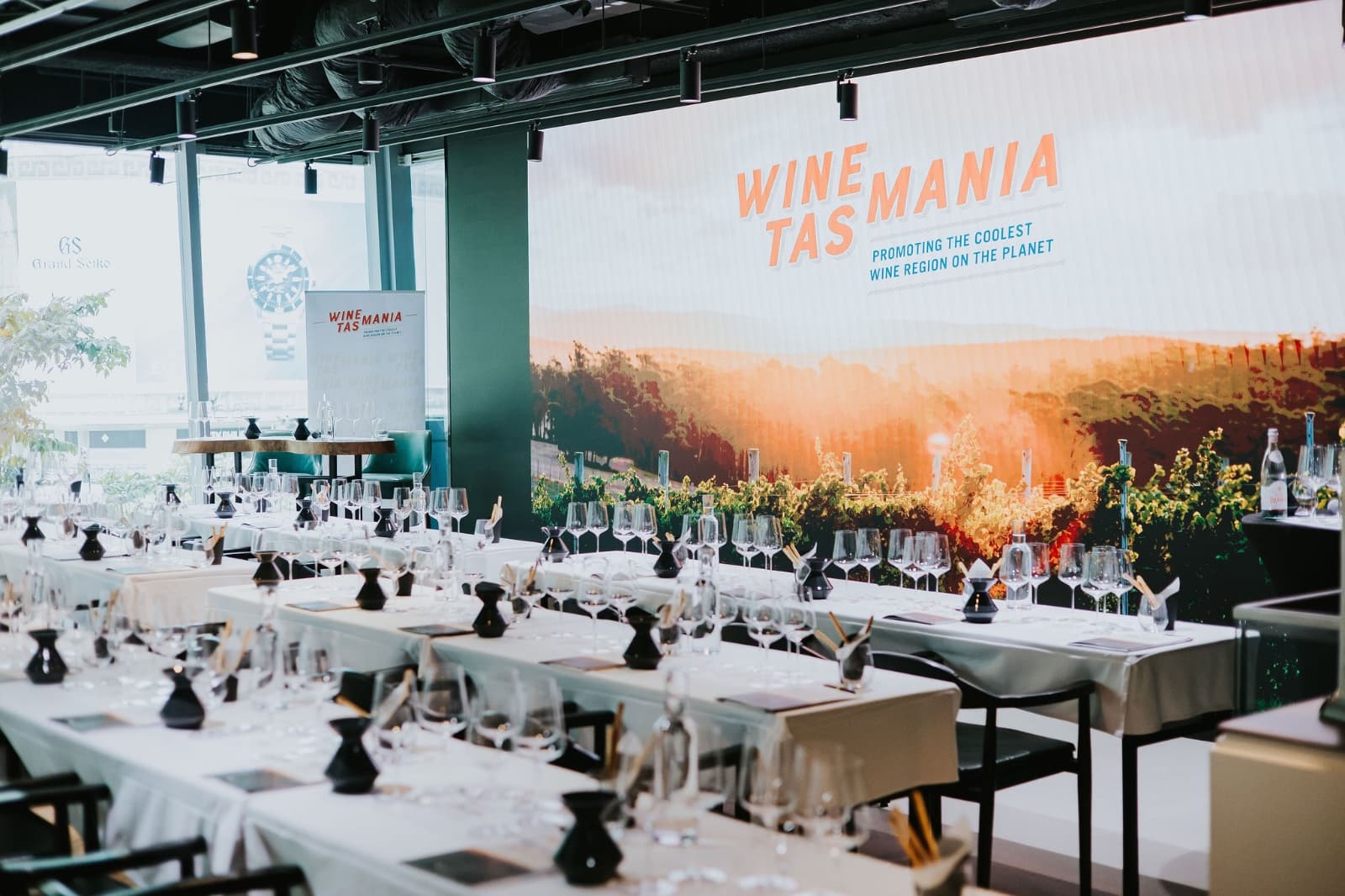
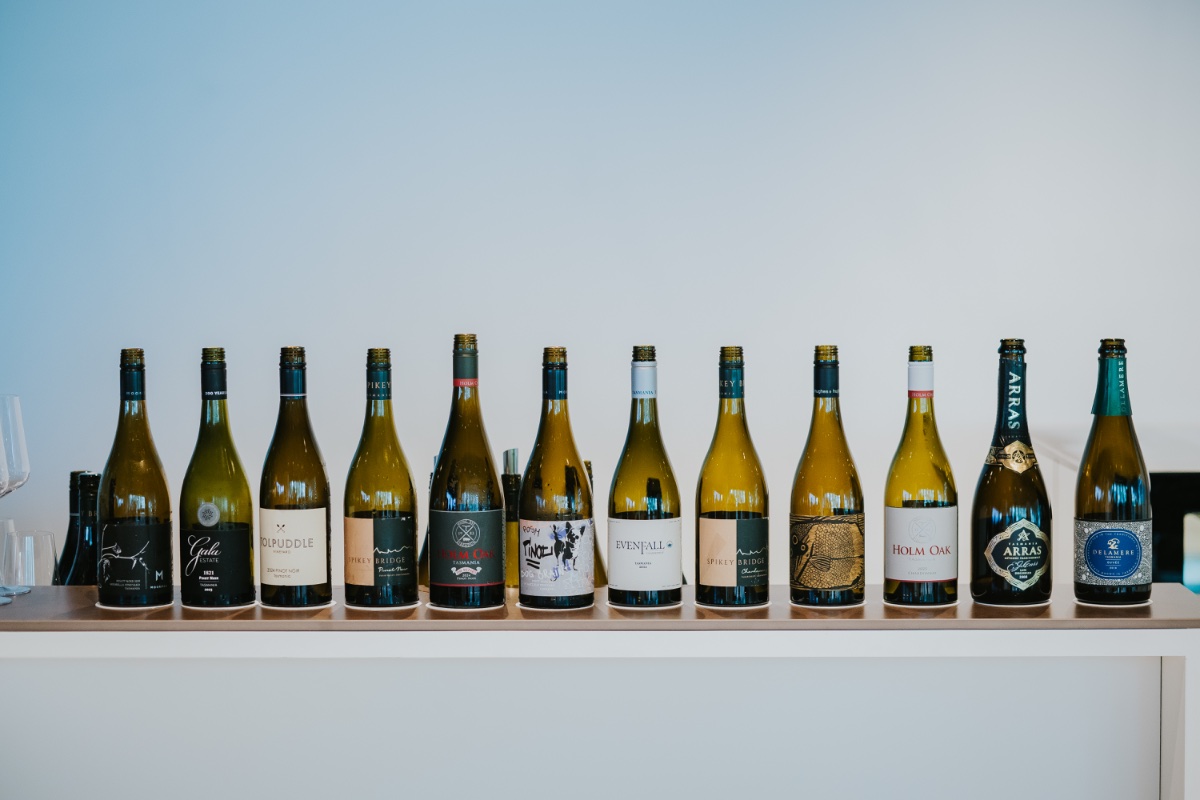
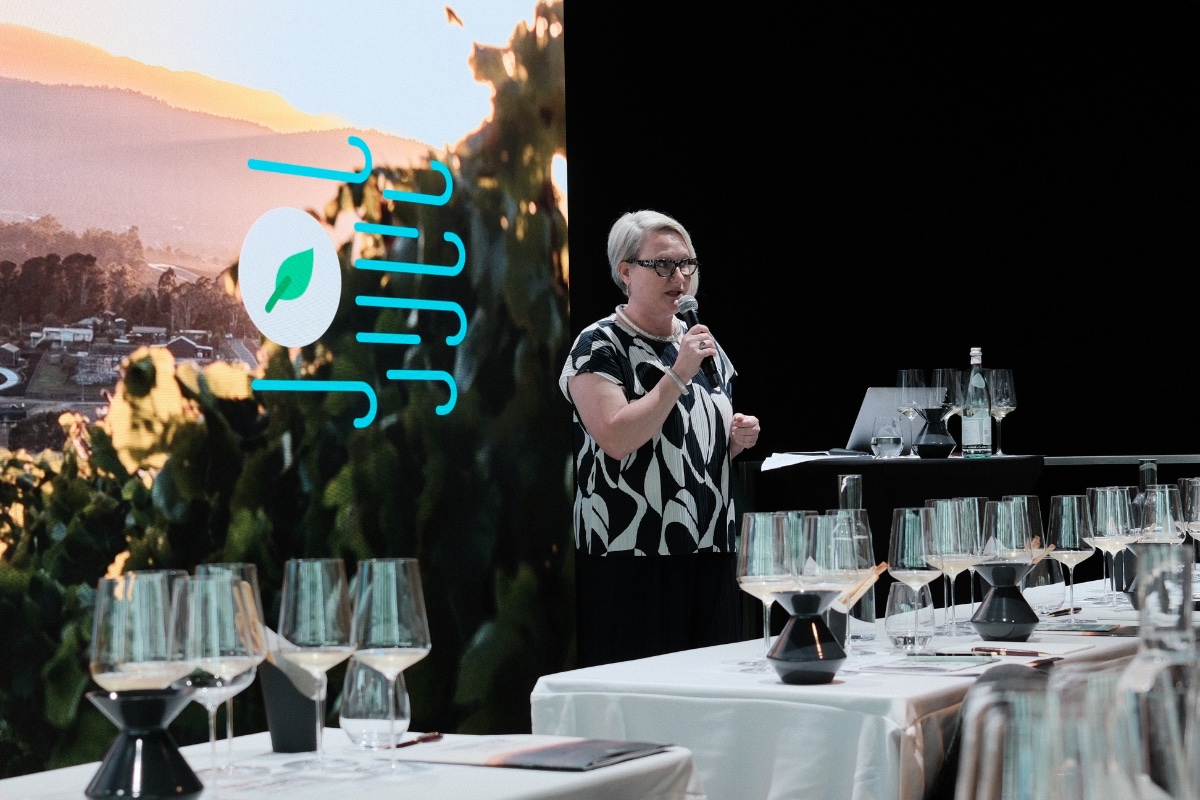
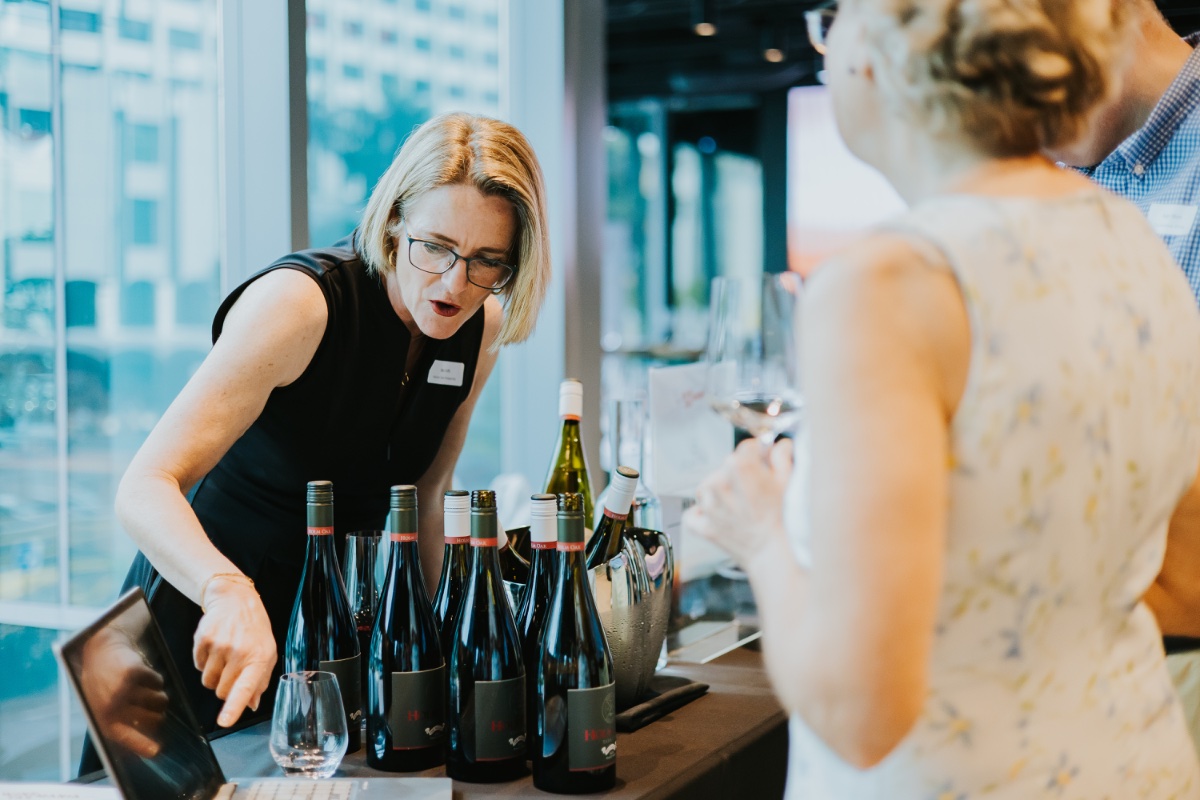
A recent Wine Tasmania Masterclass & Trade Tasting in Singapore, held on 12 August 2026. This is the second edition, after the inaugural event in 2025. (Photo Credit: Wine Tasmania)
“There is nothing between us and Antarctica,” says Sheralee Davies, CEO of Wine Tasmania.
It was said that when a certain wine conglomerate was looking to acquire vineyards in Tasmania, it looked at the formula of what would make a wine region successful. Tasmania, as it turns out, checked every single one of these boxes.
Tasmania, or Tassie, as the locals and the winemakers call it affectionately, sits at the edge of the world. 96 times the size of Singapore, this island has a latitude of 40°S to 43.5°S, which puts it the same distance from the equator as Marlborough in the Southern Hemisphere or Northern California in the Northern Hemisphere. Yet, as the growing season temperature indicates, it is significantly cooler than any of these regions. And cooler than even Champagne, in fact.
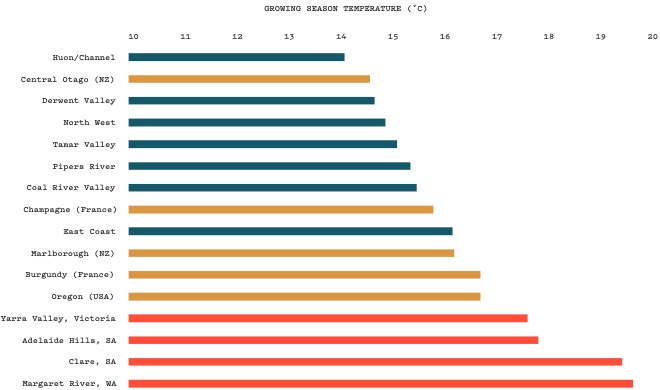
Sheralee couldn’t have painted a better picture. Without massive land between Tasmania and Antarctica, the vast ocean moderates the temperature throughout the year, with the Roaring Forties of powerful winds from the Southern Ocean slamming into Tasmania.
The Grapes: A Tale of Survival, Not Strategy
The combination of long daylight hours, which gives grapes time to ripen, and cool temperatures that preserve acidity is what every winemaking region dreams of. Tasmania, as it turns out, has unintentionally hit the metaphorical jackpot, even if it did not seem so for decades.
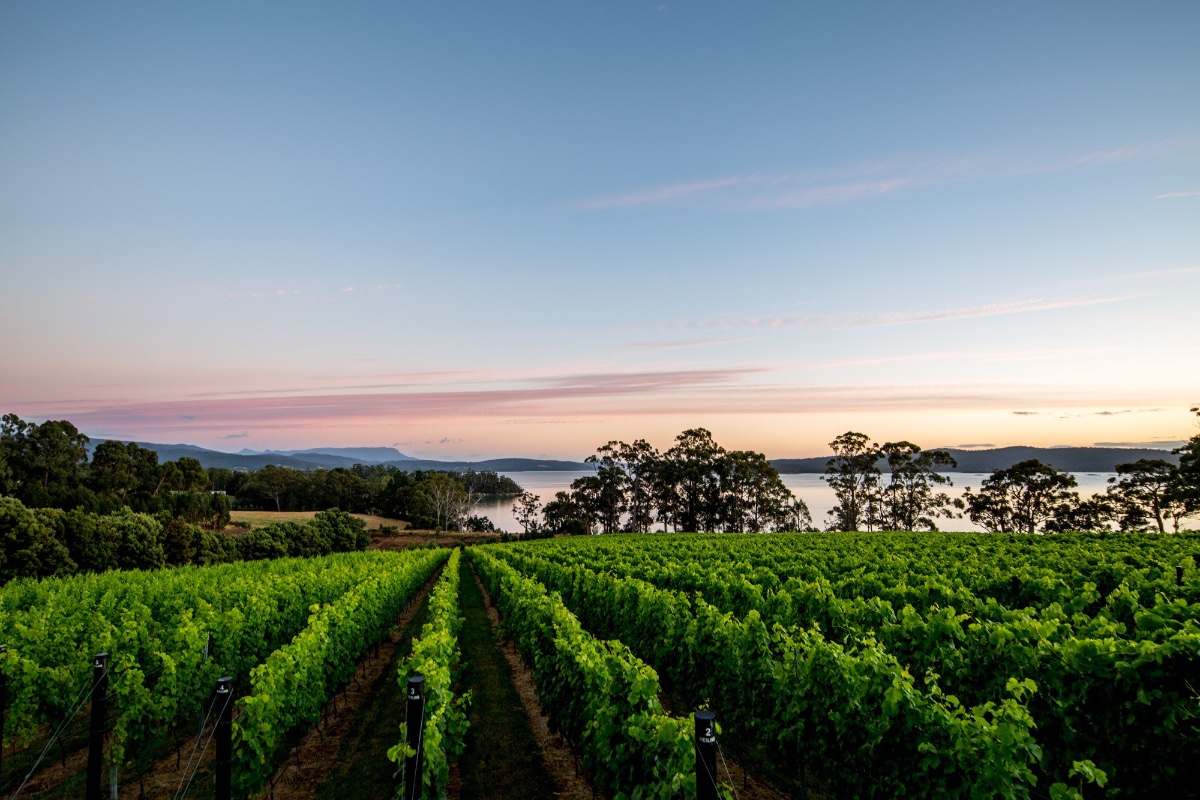
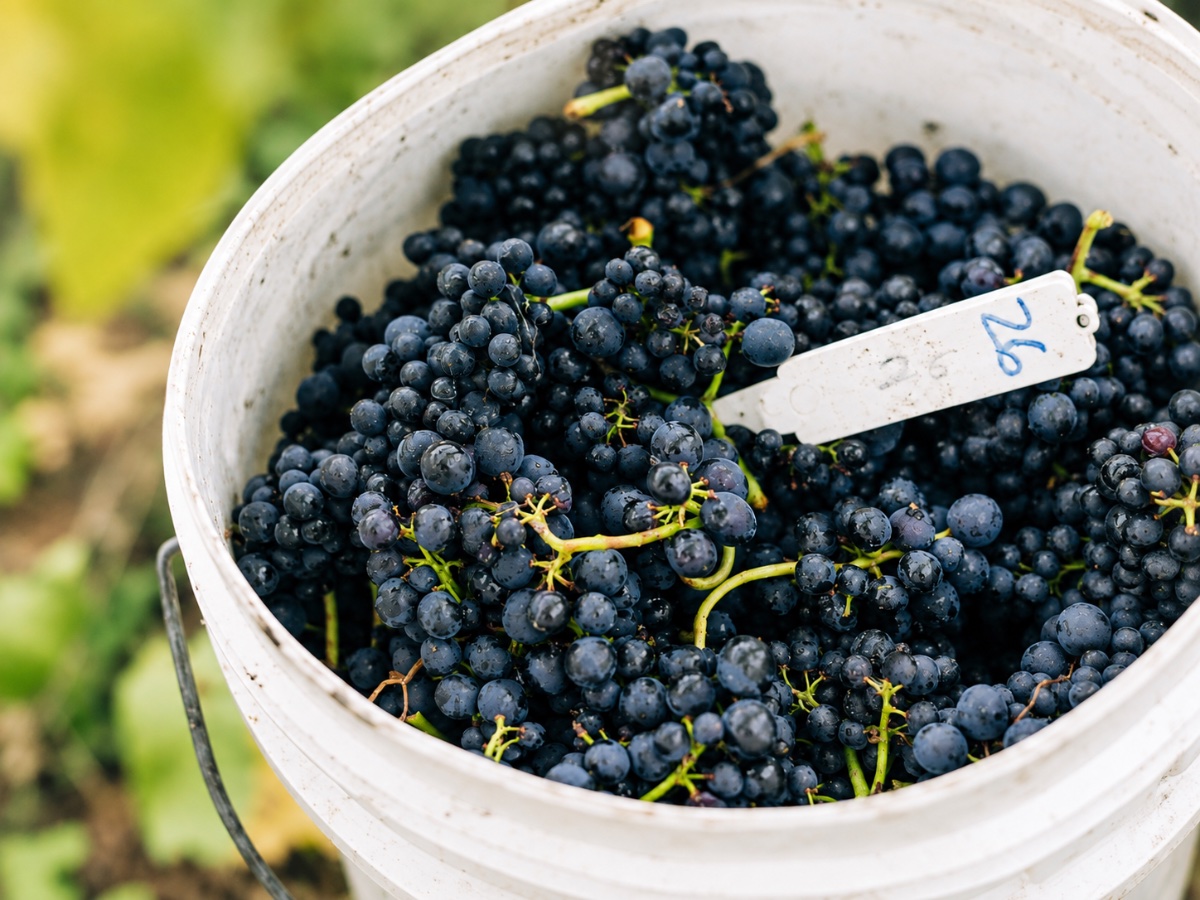
Today, 48.4% of Tassie wines are Pinot Noir, both sparkling and still.
But the story of how Tassie wines built an entire industry on the backbone of Pinot Noir vines today did not start off as a commercial decision, but as an inevitability. When modern pioneers started planting grapes in the 1950s, Australia was known for its heavy full-bodied reds that were commercially popular. However, Cabernet Sauvignon struggled to ripen in the freezing ocean winds and mild summer temperature. In the 1980s, these adaptable producers replanted vineyards to Pinot Noir, a clear choice for its cool climate. Other varietals including Chardonnay and Pinot Gris followed.
While a survival strategy back then, Tassie wines struck gold with this strategic pivot as global wine tastes shifted towards sparkling wines, crisp white wines and elegant red wines.
Pinot Noir, it turns out, is not a ‘heartbreak grape’ for Tassie wines.
The Winemakers That Could Have Gone Anywhere
Picture a wine region with lower average growing season temperature yet longer daylight hours than Champagne — higher acidity, but riper fruit flavours. It sounds a little too good to be true, but this is how Tasmania’s climate is built.
This was the same rationale when Ed Carr started sourcing grapes in Tasmania in the mid-1990s. He then founded House of Arras, producing the landmark 1998 vintage of its 100% Tasmanian traditional method sparkling. Today, many critics view House of Arras as the benchmark for not just Australian traditional method sparkling wine, but the benchmark for Southern Hemisphere sparkling wine.
But the most awarded Tassie winemaker, who is also Australia’s most acclaimed sparkling winemaker, as it turns out, is not even Australian.
Originally born in England and moved to Adelaide in the 1960s, as Sheralee puts it, Ed is an “honorary Tasmanian”. He could have chosen any other wine region. Yet, for the past three decades, Tasmania is where he chose to source fruit for his sparkling wines.
Fran Austin, Owner and Winemaker of Delamere Vineyards, brings to Tasmania decades of winemaking experience in iconic wine regions such as Burgundy, Oregon, Yarra Valley and the Adelaide Hills. Yet, Fran chose to settle in Tasmania “due to the unparalleled fruit quality within this special region” and joined her husband Shane Holloway at Delamere in 2011.

Coincidentally, Fran counts Ed Carr as her mentor. While Ed pioneered multi-regional blending to bring depth and complexity to the House of Arras wines, Fran makes wines in Pipers River. Her grower-producer model shines through in the pristine quality of her wine, in a way very much like how Fran is, not with many words but extremely sure of itself.
Over at Tamar Valley, Holm Oak Vineyard’s owner and winemaker, Bec Duffy, returned to Tasmania in 2006 after spending stints across wine regions in Australia and Napa Valley. Bec focuses on single vineyard still Pinot Noir, “letting each wine speak authentically of its place”.
While Pinot Noir and Chardonnay form the backbone of the winemaking industry, other cool climate varietals such as Riesling are also gaining attention. Eddie McDougall, who has spent more than two decades sourcing grapes from vineyards worldwide, chooses to source his unreleased Rieslings for his own E.J. McDougall label from Tasmania.
“I think Tasmania is one of Australia's real fine wine gems and it has immense opportunity given its current environmental conditions,” shares Eddie. “My reasons for mainly choosing Riesling in Tasmania is the fact that I believe that on a quality perspective, the Riesling style that we want to produce is more Germanic.”
All these winemakers could have been sourcing grapes and making wines anywhere else in Australia, or really, anywhere else in the world. But they chose Tasmania. That alone speaks more about the quality of Tassie grapes than any amount of marketing slogans could, and in turn about the quality of Tassie wines. There is a high concentration of winemaking expertise packed onto this tiny island, home to 196 licensed wine growers.
“What really changed is also the confidence in the product,” points out Bec. This growing confidence is also reflected in producers finally charging the prices that reflect the quality and costs of these wines.
Singapore: The Undeniable Case
Speaking of the commercial realities of making wines in Tasmania, Sheralee described them as “riskier and more expensive”, “further from the (export) markets” and “variability of yield”.