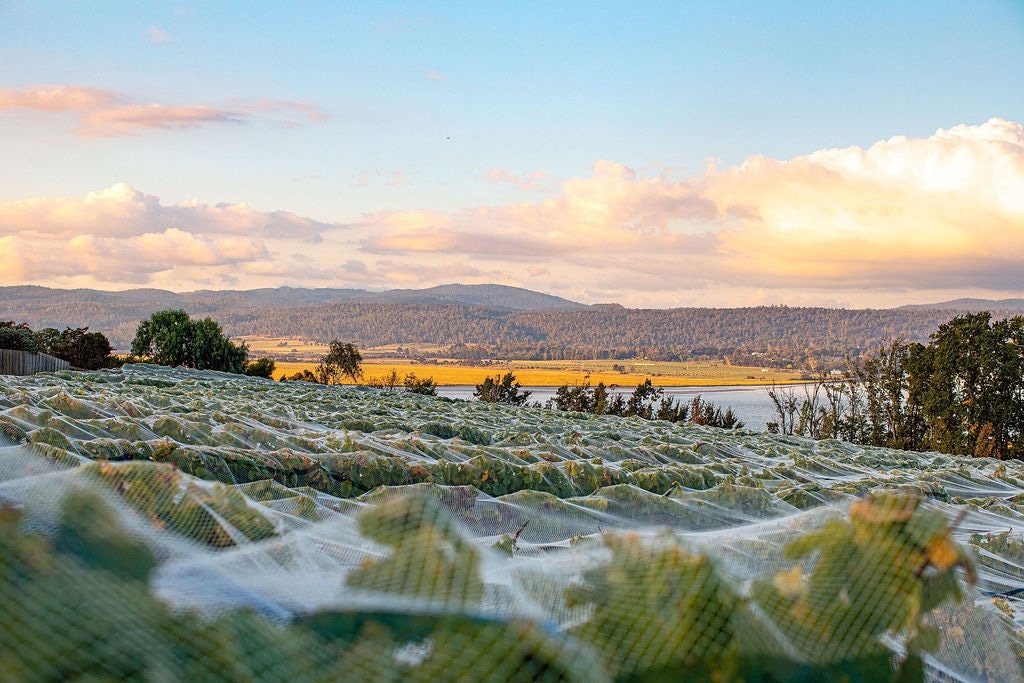
View of Tamar Valley, Tasmania. (Photo Credit: Evenfall Wines)
Champagne and Burgundy rank amongst the top wine regions in Singapore by consumption value. On the island of Tasmania, more than 70% of the wines produced are Pinot Noir and Chardonnay, both still and sparkling. The cool climate gives high natural acidity and fruit purity, the style Singapore already pays for in Burgundy and Champagne.
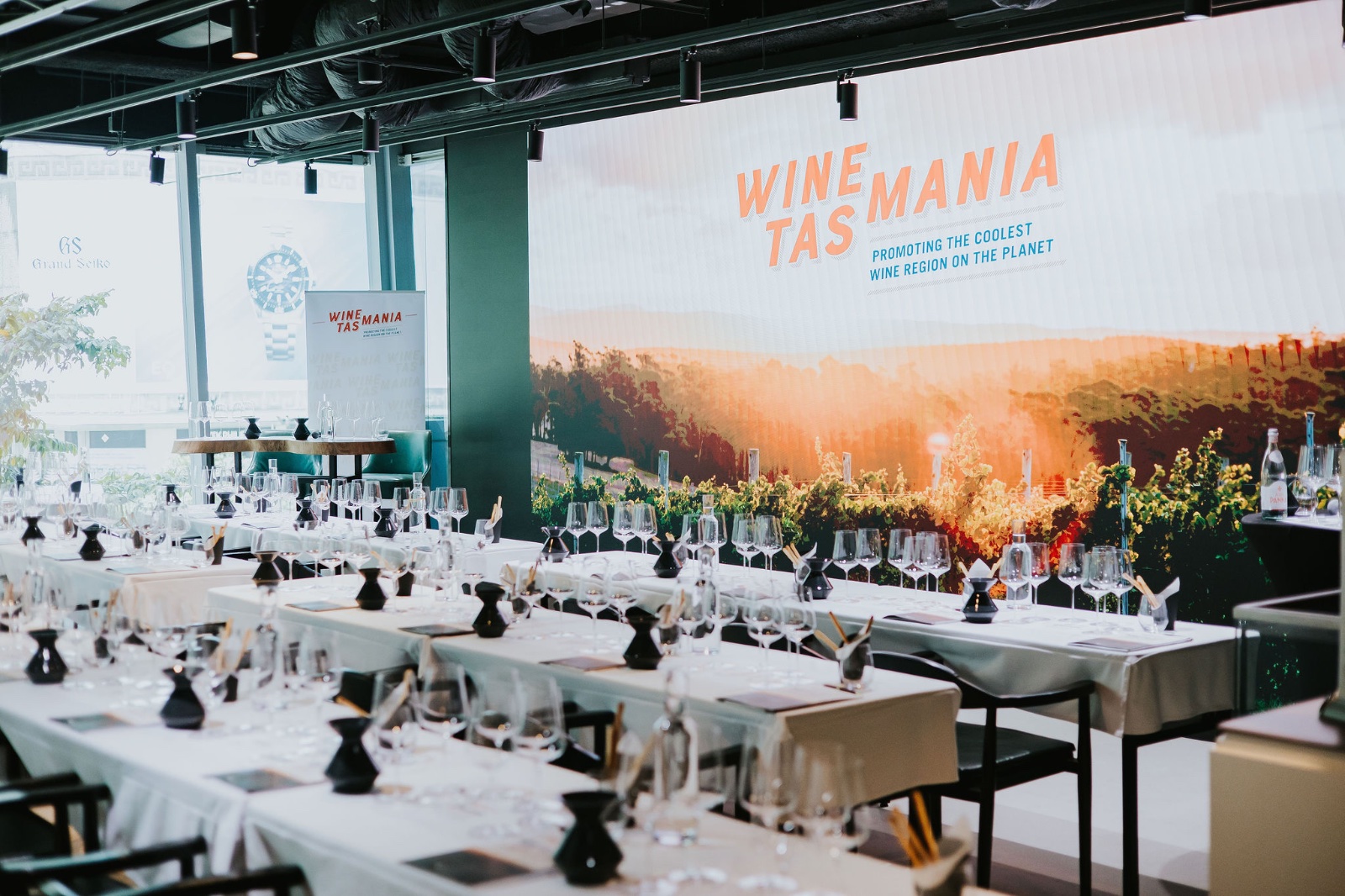
Three producers we tasted at Wine Tasmania’s Singapore event on 12th August 2026 are not yet in Singapore, but certainly make a case for it in our market.
1. Delamere Vineyards
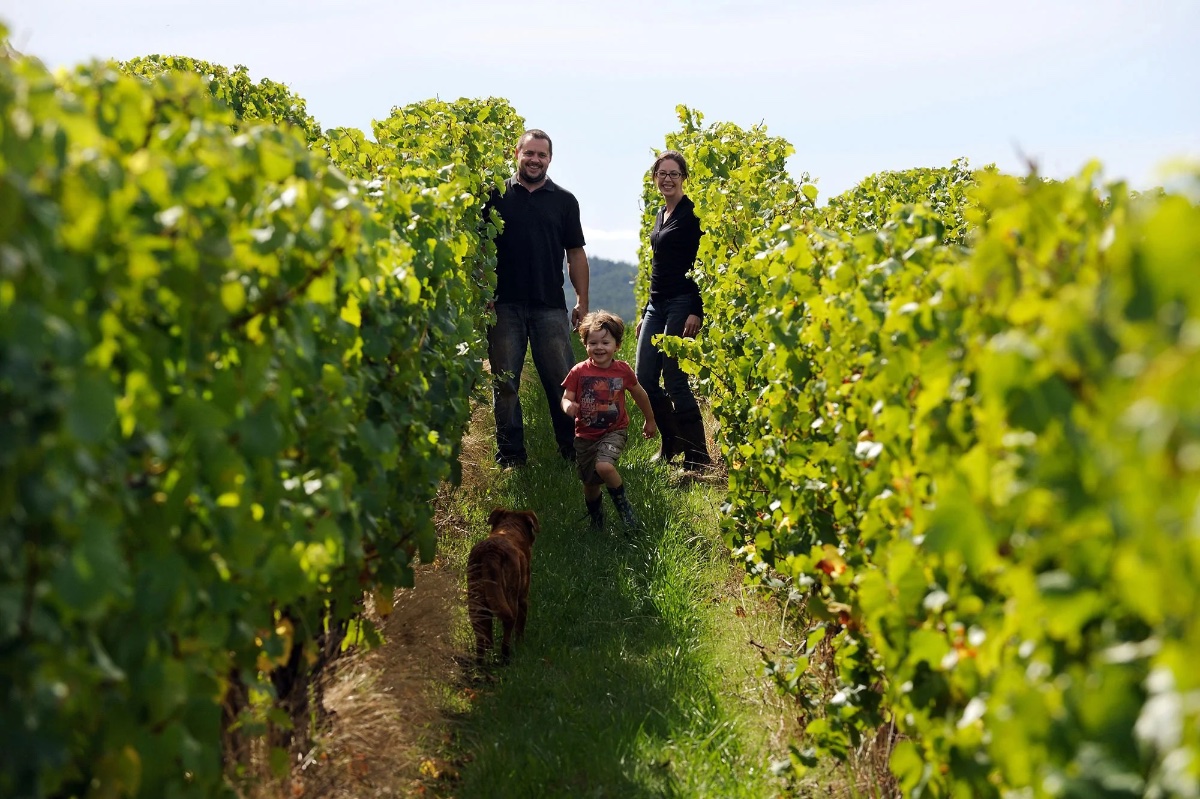
Delamere vineyard's Co-Owner and Co-Winemakers Shane Holloway and Fran Austin, with their son. (Photo Credit: Delamere Vineyards)
If grower Champagne is up your alley, do not sleep on Delamere. Helmed by the husband-and-wife winemaking duo of Shane Holloway and Fran Austin in the Pipers River region, Delamere’s winemaking philosophy is that “the wines must be of exceptional quality, and unique in character”. They farm 11 hectares consisting mostly of Pinot Noir and Chardonnay, with tiny plots of Meunier. Their grower-producer model means that they make only about six to eight thousand cases a year, with reserve wines kept in a perpetual ageing system.
In the 2008 Vintage Sparkling Cuvée, a blend of equal parts Chardonnay and Pinot Noir, the seven years of ageing on lees shone through in the glass. The nose was immediately welcoming, smelling of fresh brioche buns, with a creamy texture on the palate and a finish that layered on with surprising floral touches.
Their limited supply suits a Champagne-focused list looking for a grower-style wine. At a recommend retail price that starts from AUD40, the quality delivers for the price.
It is a wine I would gladly bring for a blind grower Champagne tasting.
2. Holm Oak Vineyards
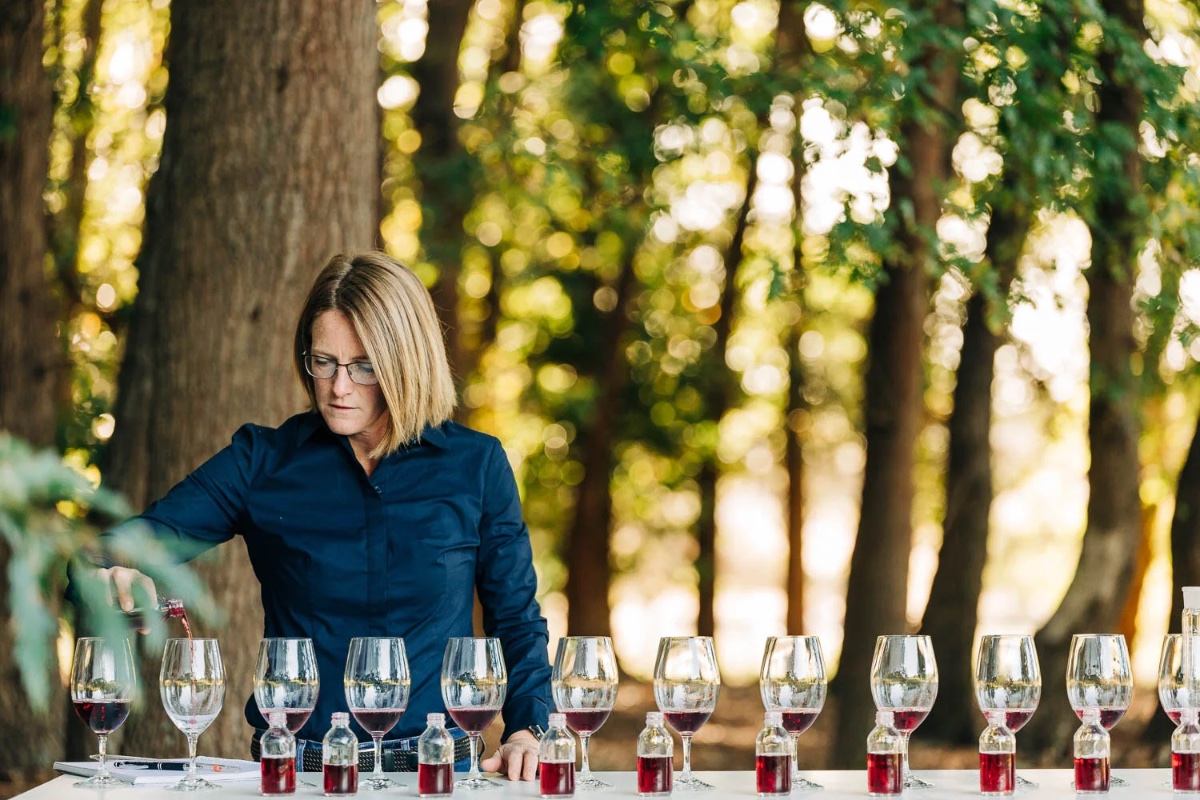
Winemaker Bec Duffy's father was also a winemaker, and she first took over the vineyard when she was 29 years old. (Photo Credit: Wine Tasmania)
A labour of love by winemaker Bec Duffy and viticulturist Tim Duffy based in the Tamar Valley, they farm 18 hectares of vineyards focusing on wines that clearly allow the signature fruit purity of Tassie wines to shine through. They even have Cabernet Sauvignon planted in the 1980s, a rare sight on an island that has struggled to ripen the grape. Bec is increasingly low-intervention, allowing natural fermentation and letting the vintage guide her winemaking decisions, such as the use of whole bunches in her Pinot Noir. Holm Oak’s Pinot Noir has five different plots bottled separately.
The 2025 Chardonnay is the style of wine that can easily win over consumers. While Bec mentioned that they choose to pick based on acidity, there is enough ripe lemon flavours, with oak and malolactic conversion present but never overwhelming. The Wizard Pinot Noir 2024 was distinctive on the nose, with sweet spices and a palate akin to biting into grilled cherry tomatoes with the vines intact.
The Chardonnay gives an importer an entry wine, and the five single-vineyard Pinot Noirs give a range to build on. With wines starting from recommended retail price of AUD35, it can be a suitable producer for on-trade listings.
Bec takes a long-term view, saying that “establishing a strong export market takes a long period of time”.
3. Evenfall Wines
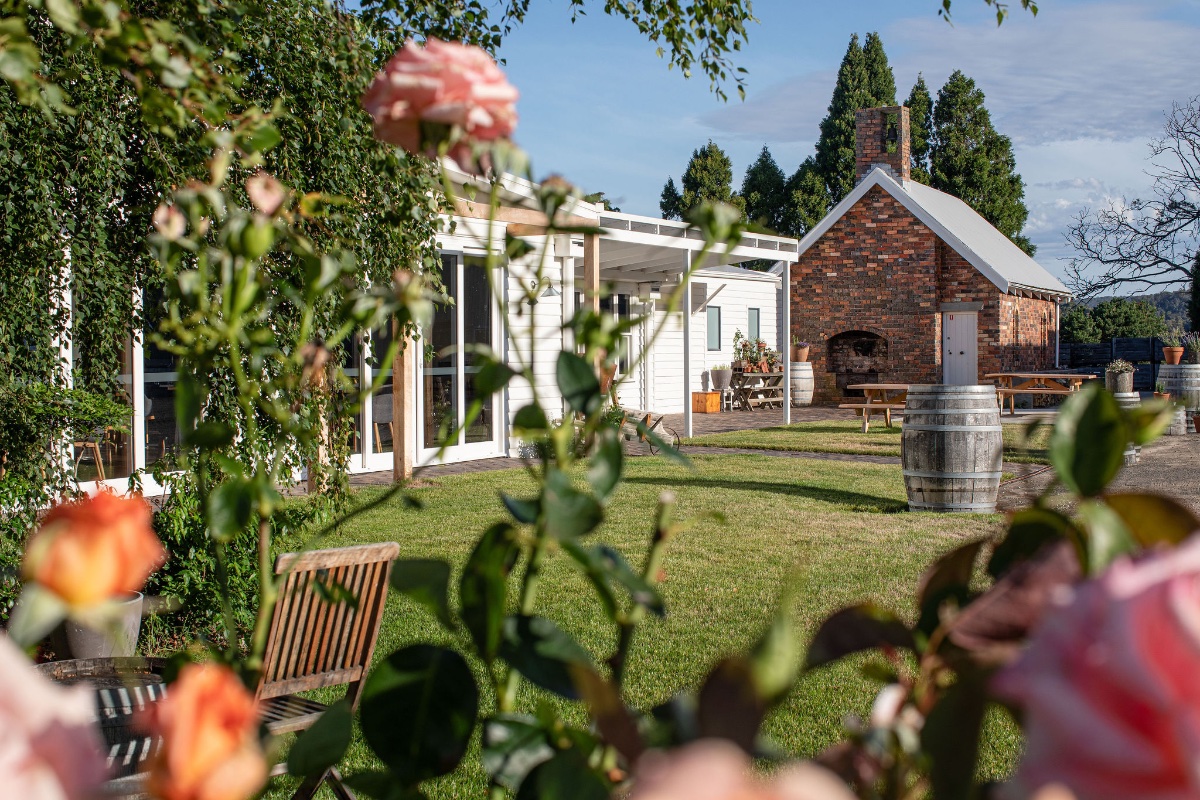
The beautiful estate of Evenfall Wines in Tamar Valley. (Photo Credit: Evenfall Wines)
Evenfall Wines has some of the oldest Cabernet Sauvignon vines on the island on their 7.2-hectare estate, planted alongside Pinot Noir and Chardonnay. While producing its own estate table wines, Evenfall functions as an incubator and physical home for independent contract-made brands, notably Natalie Fryar’s sparkling label Bellebonne and Hugh McCullough’s Riesling label Wellington & Wolfe. Owner Richard Winspear’s choice to structure Evenfall as a collaborative hub is one that speaks to respect for the talent in the region.
The 2024 Evenfall Chardonnay truly changed my mind about still Chardonnay from Tasmania. The floral nose was captivating at once, followed by ripe lemon zest that promised a Chardonnay built on tartness, and the palate delivered. It had the bite of a calamansi lime peel, but with soft and rounded acidity.
For an importer, Evenfall’s entry-level wines start from a recommended retail price of AUD38 with their old-vine Cabernet Sauvignon at AUD65.
Micro-production Tassie wines suit importers building a portfolio carefully with high-quality producers they can stand behind, and on-trade wine directors looking for alternatives. Fran Austin of Delamere says that “consumers in Singapore have an understanding of where brand finishes and quality starts”. Wine consumers here who already buy Champagne and Burgundy have the palate for these wines, and these three producers are a place to start.