Features
Newton Johnson: Least Intervention, Most Intention
How a family estate in the upper Hemel-en-Aarde makes restrained Pinot Noir and Chardonnay, and why food carries them to Asia.
1 November 2026
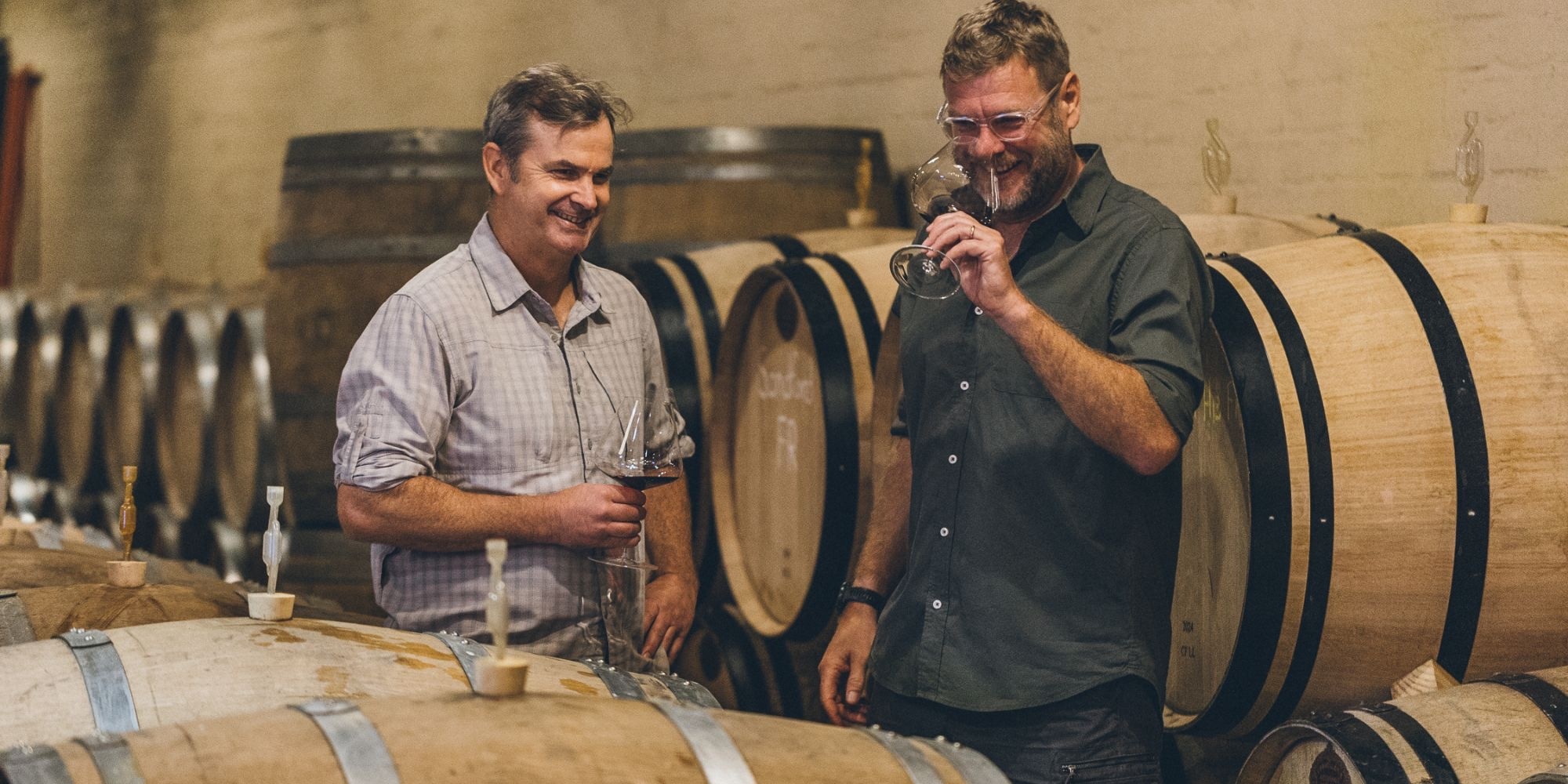
Gordon and Bevan Newton Johnson. (Photo Credit: Newton Johnson)
“We are very different from each other. Thankfully I have talents he doesn’t have,” Bevan Newton Johnson says while laughing, speaking of his brother.
Gordon, or more affectionately “Gordy” as Bevan calls his brother, is the Vineyard & Cellar Director of Newton Johnson. Bevan calls himself “the marketing man”, being the Sales & Marketing Director of their family’s estate.
Bevan travels around to represent the family’s estate, bringing a face to the family’s name. “But at the end of the day, the wine must do the talking,” he says seriously.
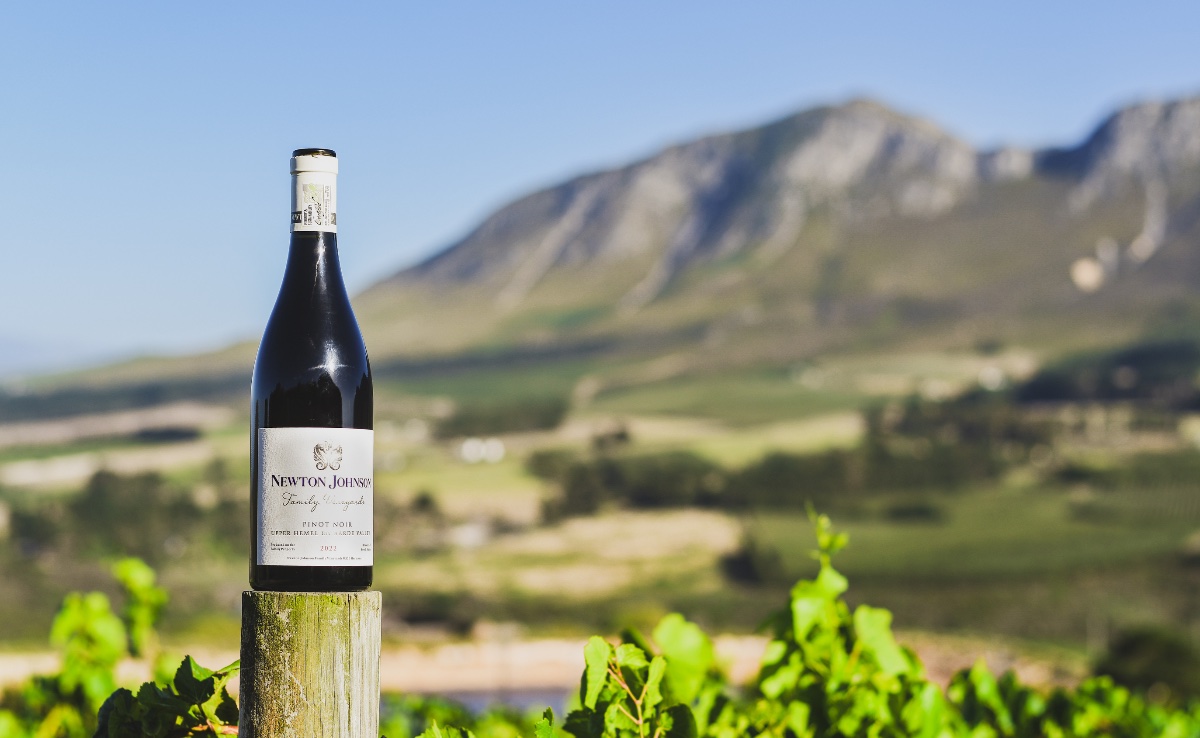
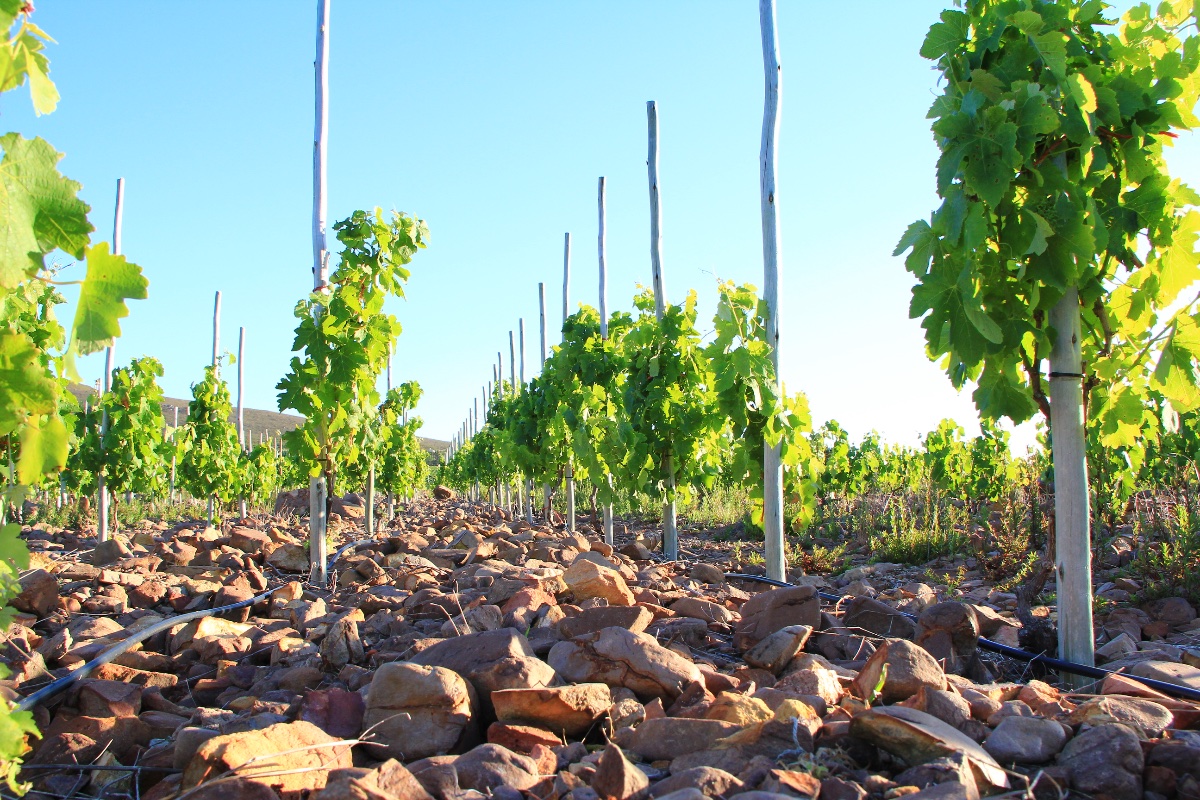
Most parts of the Cape are too warm for Pinot Noir to be planted. In the Upper Hemel-en-Aarde Valley, which translates to Heaven and Earth in Afrikaans, sits Newton Johnson at 300 metres above sea level. The mountain runs perpendicular to the Atlantic Ocean. With the wind acting as a “sunscreen”, the influence of the sea and the altitude allows for a unique condition that allows Pinot Noir to thrive.
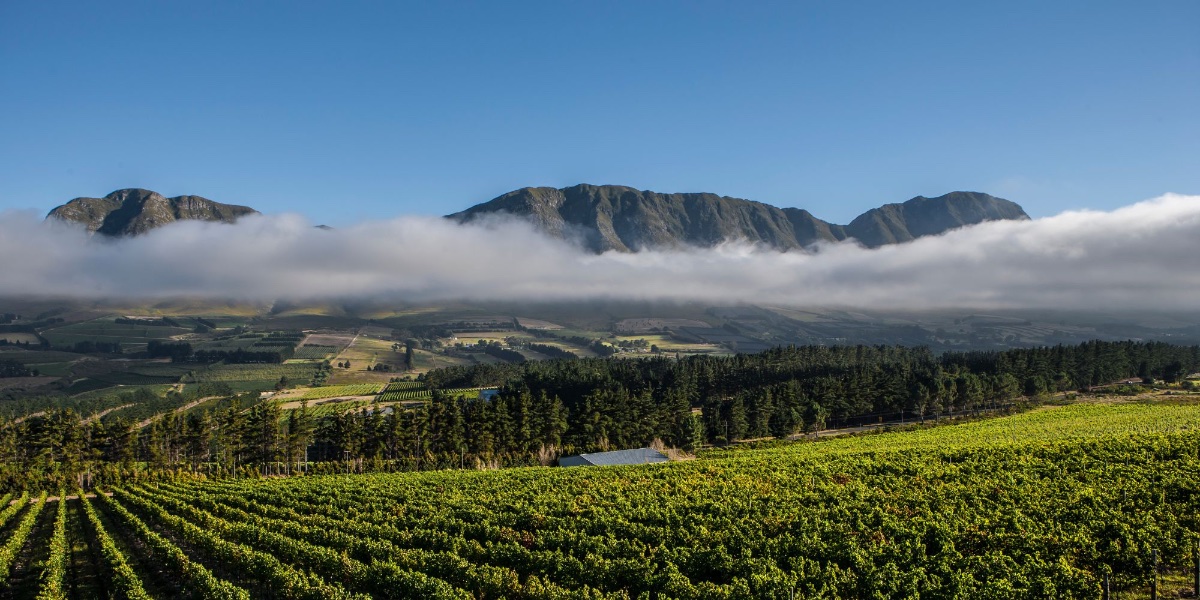
The very first generation of Dijon clones planted in the region did not survive because of leafroll virus. Since then, the region has gained better knowledge in the handling of this delicate “heartbreak grape”. In the 10.6 hectares of Pinot Noir, Gordy planted Dijon clones of 113, 115, 777 and 667. Chardonnay is about a third of that planting, occupying 3.1 hectares.
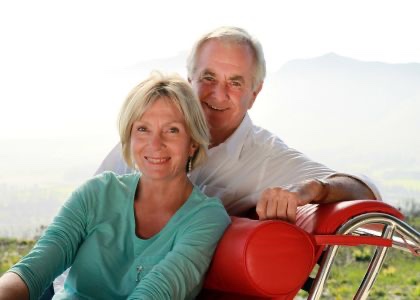
Since the very first vintage of 1997, Gordy has been making wines with their parents Dave and Felicity. In 2006, Gordy’s wife, Nadia, joined for the first vintage. While Gordy learnt on the ground, Nadia studied at University of Stellenbosch; Bevan describes Gordy as intuitive, while Nadia as being more technical. Winemaking is both an art and a science, and the two of them cover both.
The wines of Newton Johnson are best described as “least intervention, most intention”. All their wines are hand-harvested, before going through spontaneous fermentation in their gravity-flow winery.
Being low-intervention comes with trade-offs. 25 years ago, the estate actively used sulphur dioxide in the grape, the must (i.e. unfermented grape juice) and the wine. These days, sulphur dioxide is only added after fermentation. For the last 15 years, their wines have not been filtered, but left to naturally settle which adds an additional half a year to the winemaking.
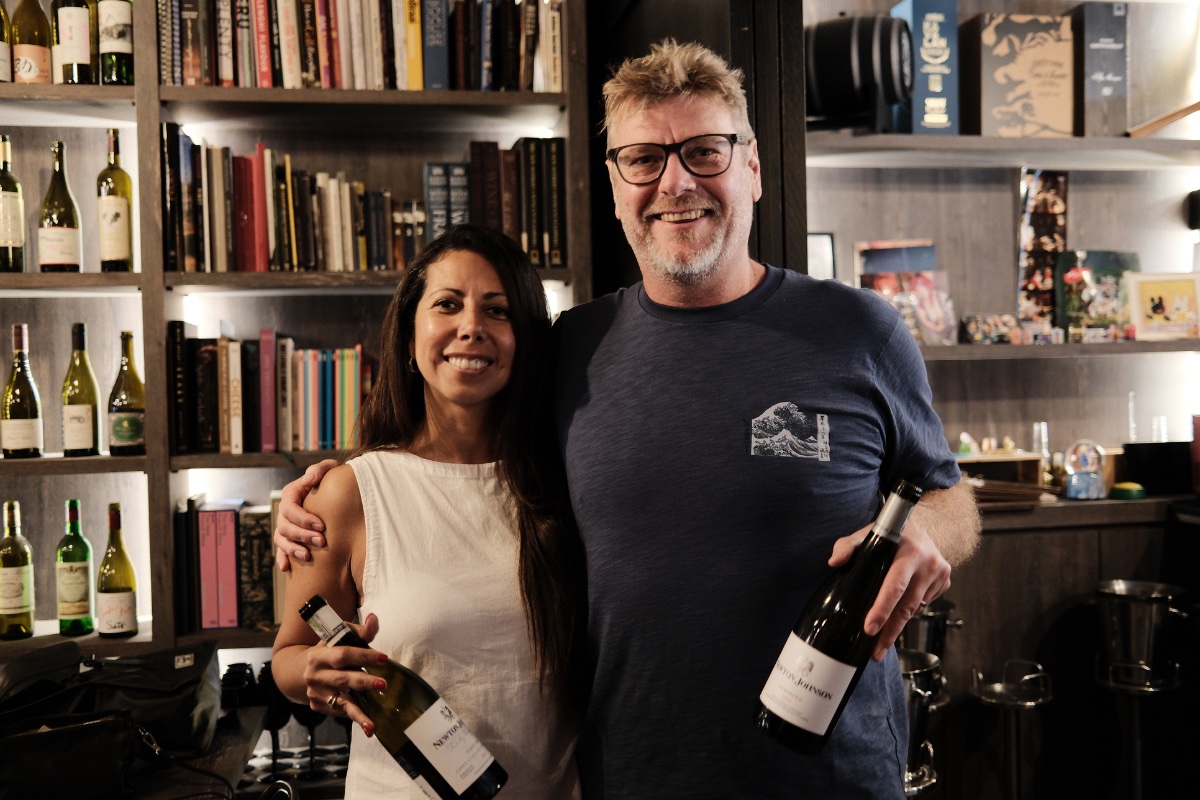
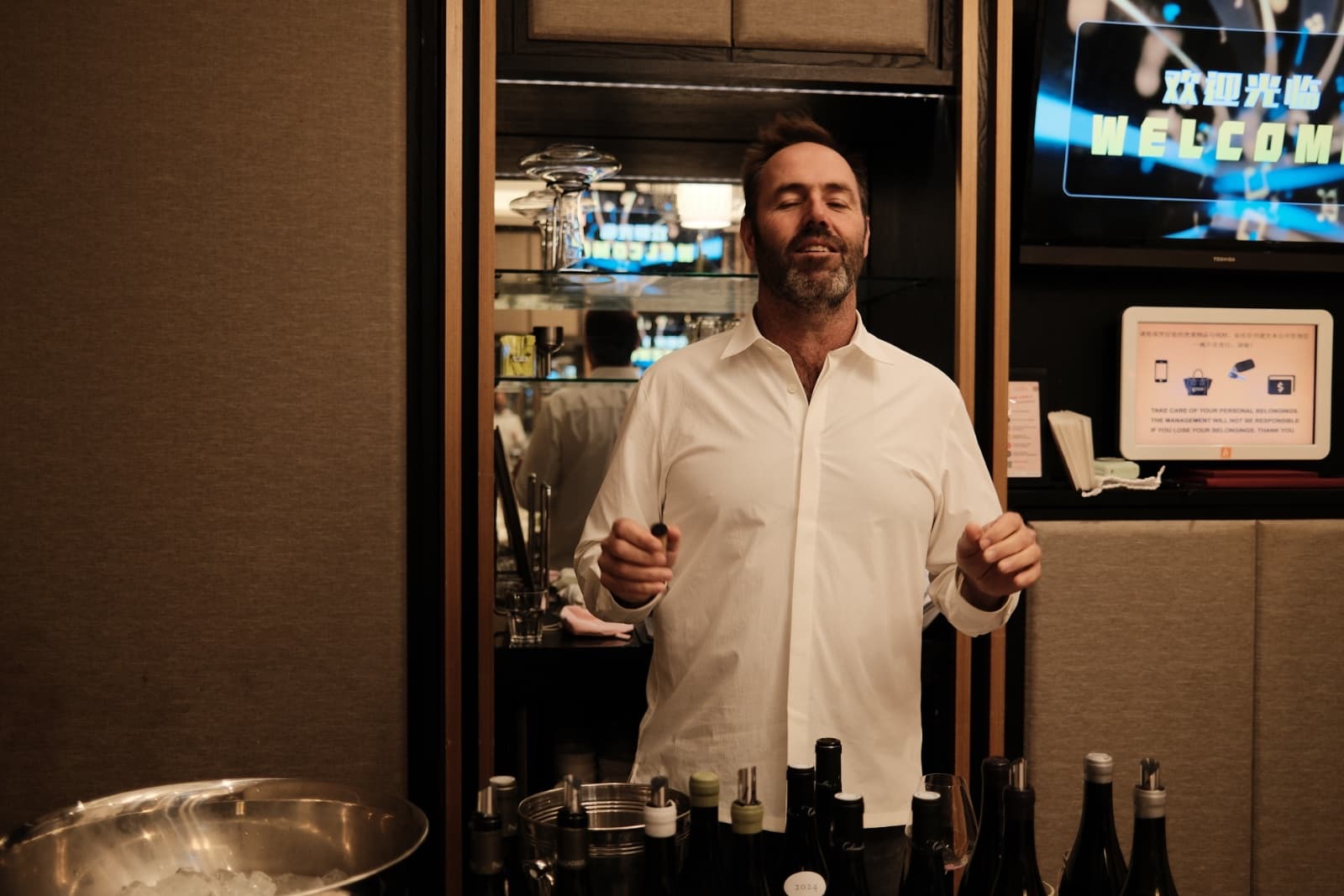
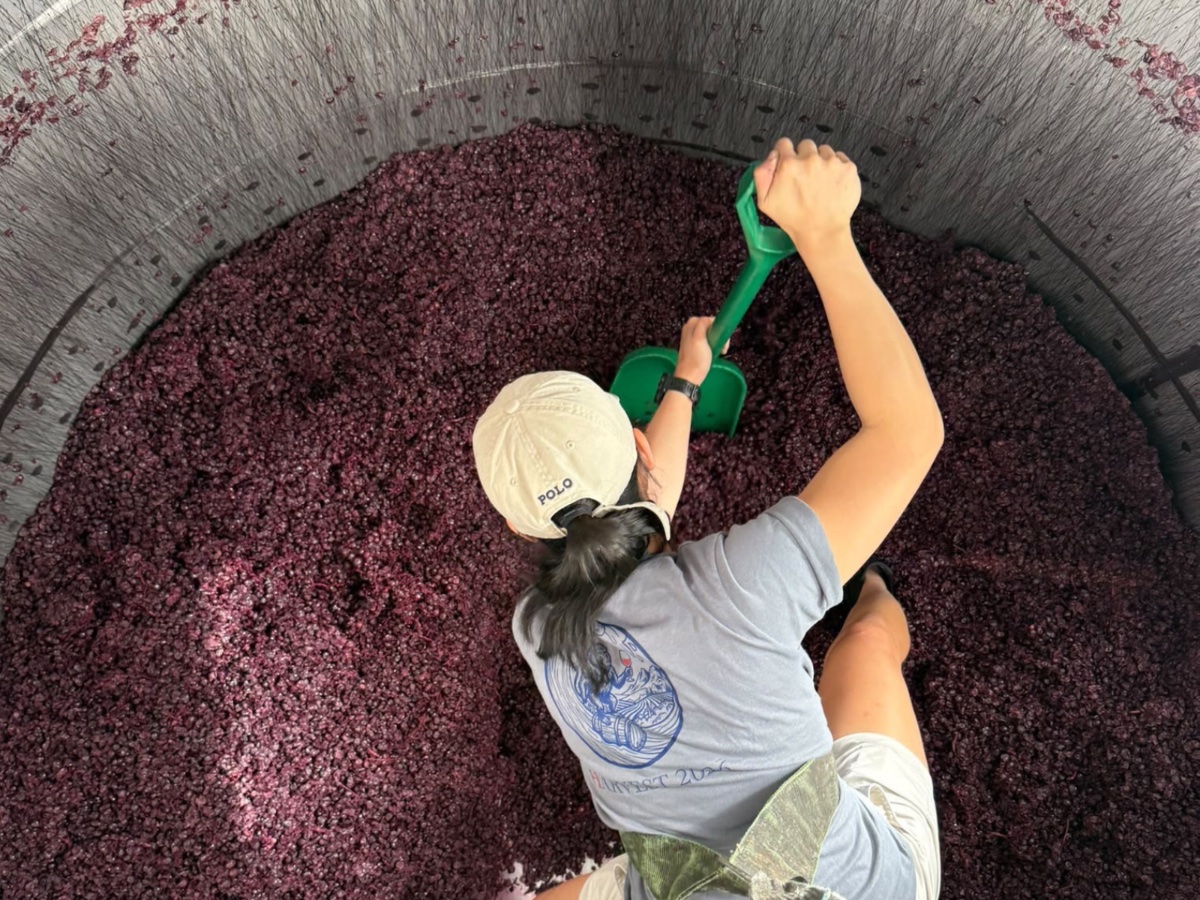
The first time I met Bevan, it was at a trade masterclass held at Praelum Wine Bistro in Singapore. But I have heard of him long before that. One of our critics, Vanessa Tan, spent three months working the 2026 harvest at Newton Johnson. She recalls her favourite time as when “we all climbed the Babylonstoren mountain” together with interns from other estates.
Bevan was frank to admit that South Africa isn’t the first country to come to mind when people think of wine, but the growth of the tourism industry has been fundamental to the growth of the wine industry. They produce approximately 140,000 bottles annually. 55% are sold locally, with the majority of sales coming through their tasting room in the winery.
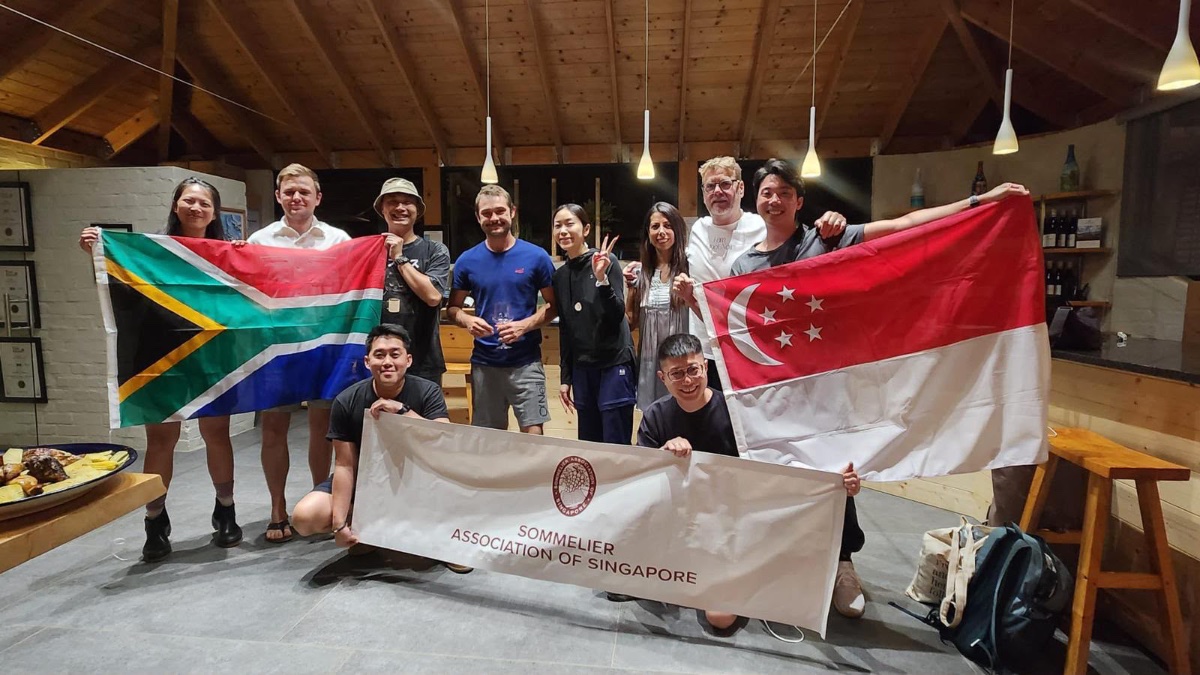
In Singapore, sommeliers who have experienced the warm South African hospitality become their unofficial ambassadors. He credits the likes of Gerald Lu, AWR’s Lead Founding Critic, with spreading “contagious enthusiasm”.
In every market, Newton Johnson chooses to work with importers and partners with a long-term view. The differences between markets come down to food and how people experience the wines.
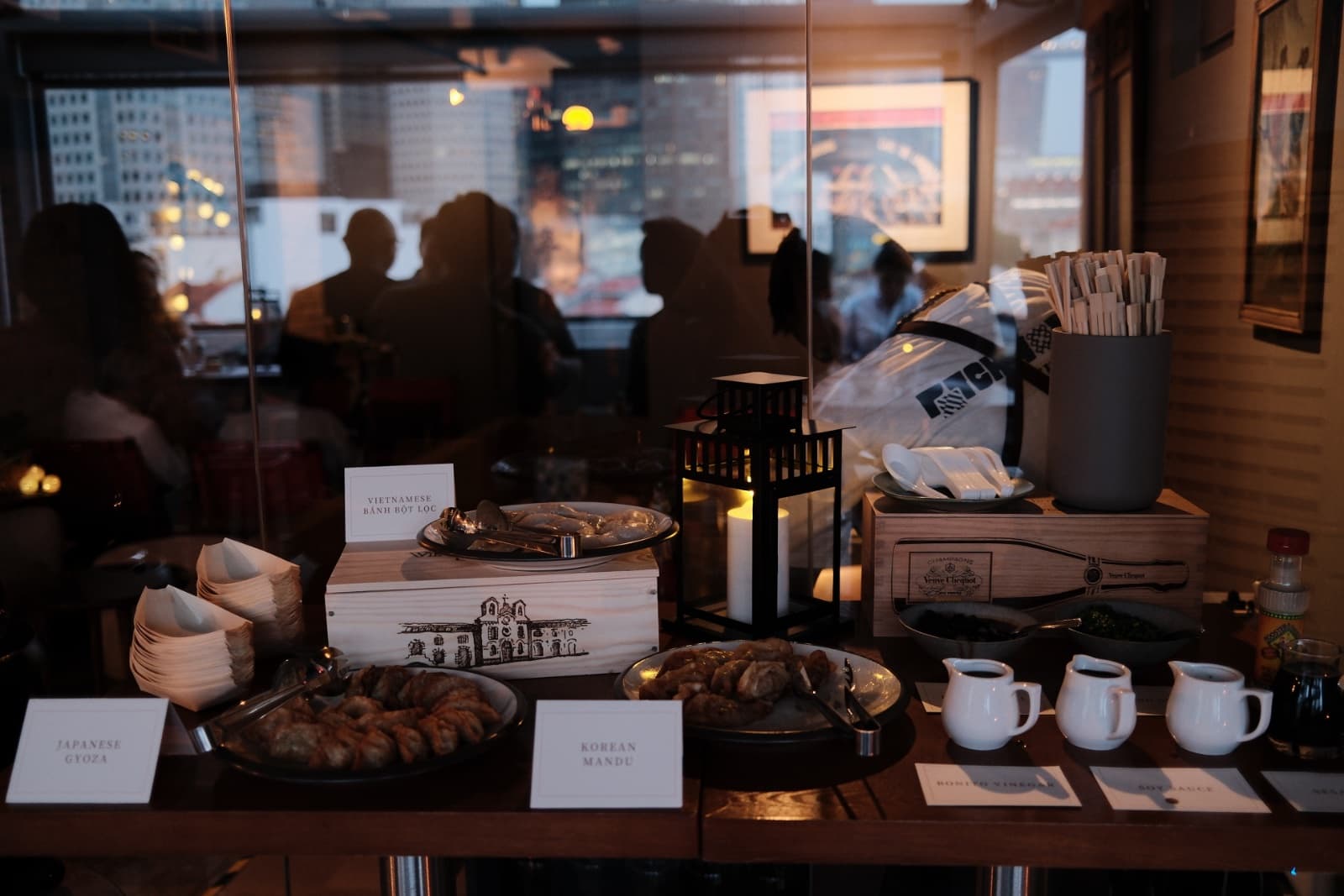
“Food is our translator for a lot of what we do with wines,” shares Bevan. “If there’s no cuisine that they enjoy with our wine, I don’t think that they will do very well.”
In Asia, Newton Johnson is distributed in Japan, Hong Kong, Singapore and South Korea. Their flagship Pinot Noir and Chardonnay travel well across these markets.