Asian Food & Wine
Uncorking Penang, Part 2: From Heritage Woks to Meticulous Cellars
Penang-native Adrian explores the culinary treasures that Penang is known for, with wines to pair.
15 August 2026

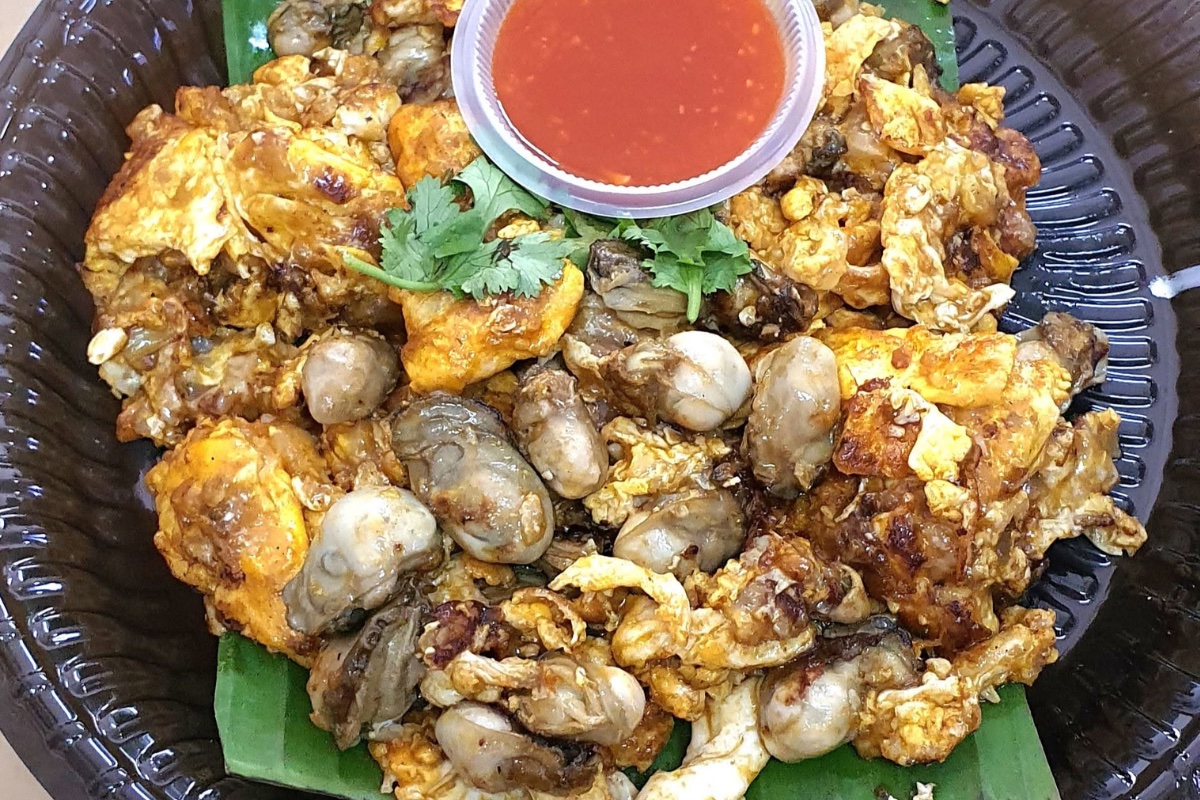
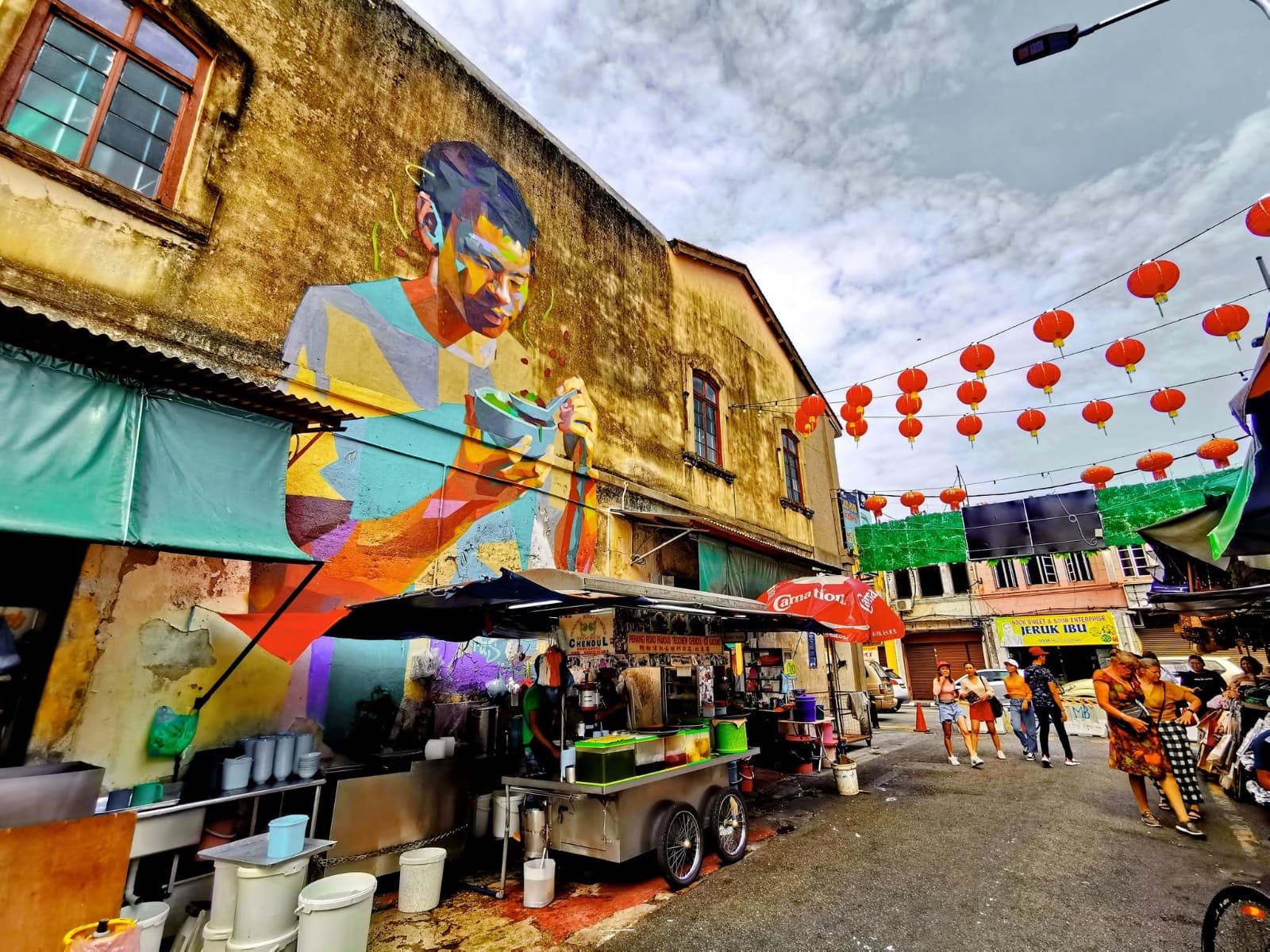
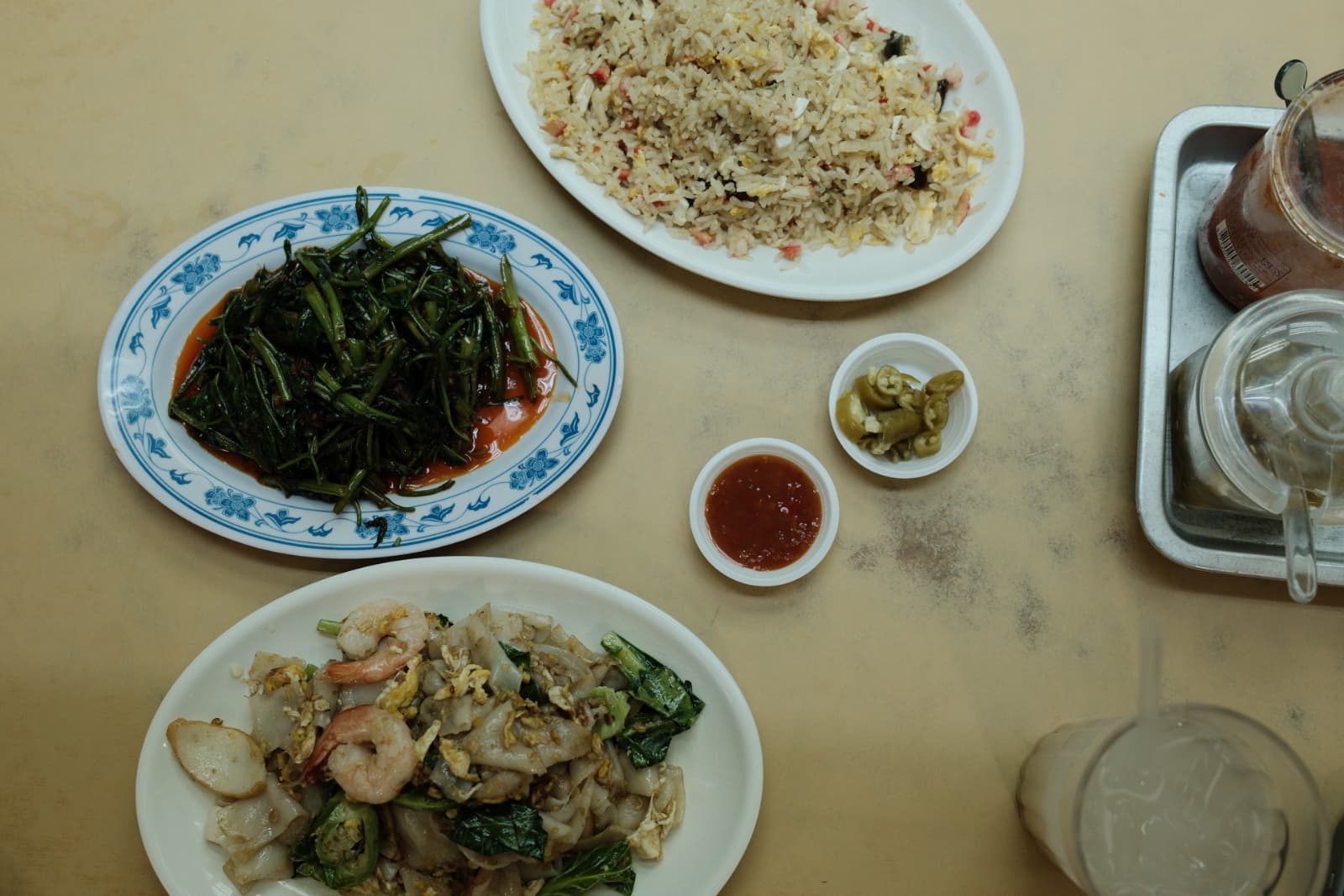
Penang food scene. (Photo Credit: Weena Tan)
Welcome back to the kopitiam table. In our first article, we bridged the gap between global vineyards and the roaring fires of George Town, proving that even a robust, prawn-rich Hokkien Mee or a sweet mountain of Ais Kacang can sing beautifully alongside a thoughtful pairing. We discovered that fine wine does not seek to subdue our street food, but rather to illuminate its generational craft.
Yet, to truly grasp Penang’s culinary soul, we must look beyond the immediate fire and smoke. The island’s gastronomic landscape is so breathtakingly vast that it caters to every craving, easily satisfying even the most discerning food snob.
Whether you seek the purest, soul-warming broths or complex spice blends steeped in heritage, the world of wine, filled with hidden gems and classic expressions, offers the perfect counterpoint to these diverse culinary profiles. It is within these deeply comforting, textural marvels that wine pairing transcends mere refreshment and becomes a deeply sensory, emotional experience.
Let us continue our journey through the lorong (alleyways) of Penang and uncork the next episode.
1. The Clear & Comforting
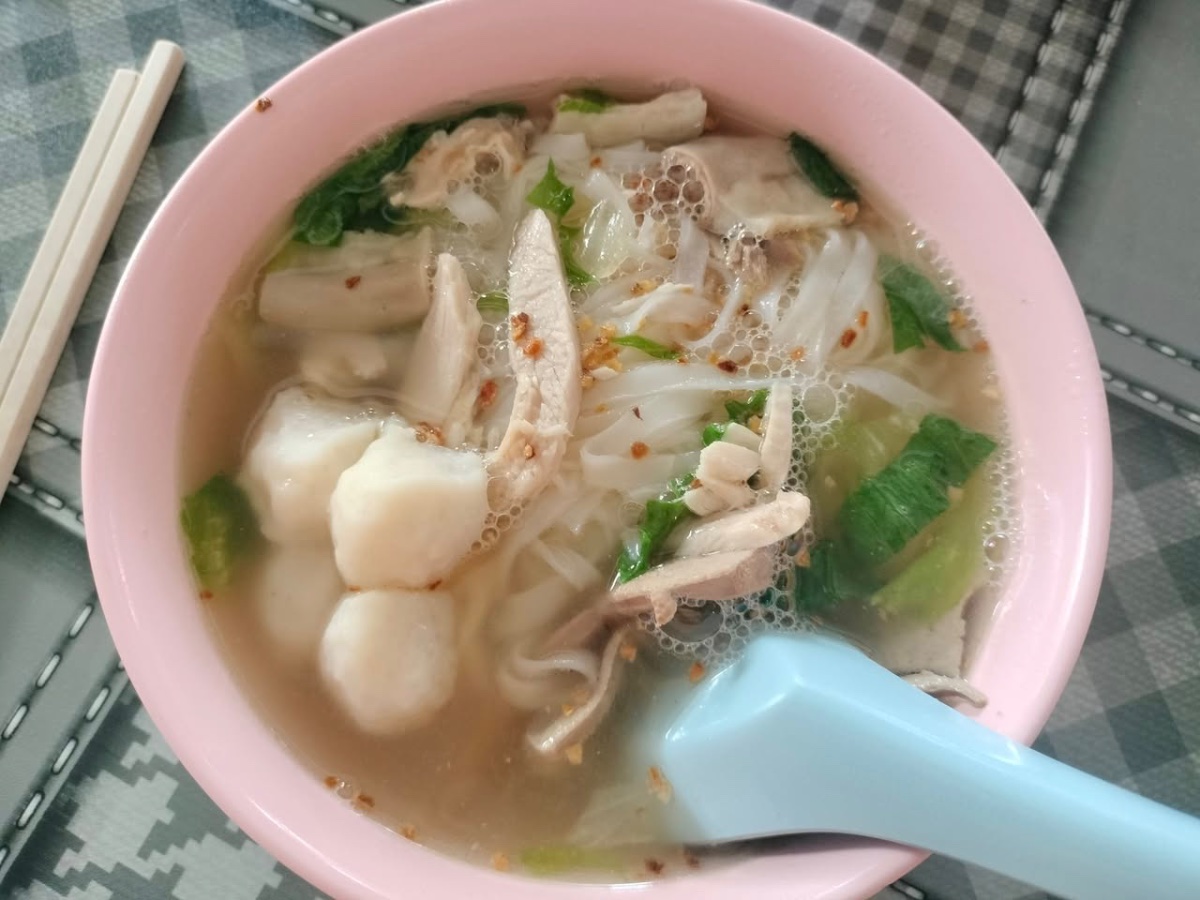
Not all Penang food is fiery hot. This category focuses on clean, subtle, and deeply comforting profiles. It relies on clear broths, delicate steamed bites, or mild herbal notes that require wines of elegance and restraint.
Koay Teow Thng: This dish features silk-smooth flat rice noodles in a clear, sweet broth simmered from chicken or pork bones. Crowned with springy handmade fish balls, tender meat slices, and a splash of crispy garlic oil, its beauty lies in its unpretentious, soul-warming purity.
Popiah: These fresh, non-fried spring rolls are wrapped in thin wheat skins, brushed with sweet sauce, and packed with slow-braised turnips, crisp lettuce, egg ribbons, and sweet crab meat. Every bite is a delightful play of soft, crunchy, and savoury-sweet textures.
Chai Kuih (Crystal Dumplings): These steamed parcels are famous for their chewy, translucent skin. They come in two beloved variations: one filled with savoury, slow-cooked turnips and dried shrimp, and the other bursting with the aromatic bite of fresh garlic chives.
The Pairings:
Champagne Blanc de Noirs (Champagne, France): A Pinot Noir and Meunier-dominant Champagne brings more weight, texture, and a lovely brioche-like yeastiness. This richness pairs exceptionally well with the earthy stewed vegetables of a traditional Popiah.
Chablis (Burgundy, France): The pristine, unoaked, and intensely mineral profile of a classic Chablis is the perfect, delicate match for the clean tastes of Koay Teow Th’ng, ensuring the broth’s subtlety isn’t overwhelmed.
Spätburgunder (Baden, Germany): Baden produces some of Germany’s finest, most expressive Pinot Noirs. Served with a slight chill, its soft, silky tannins and red cherry profile harmonise wonderfully with both the turnip and garlic chive variations of Chai Kuih.
2. The Heavy & Curry-Drenched Rice
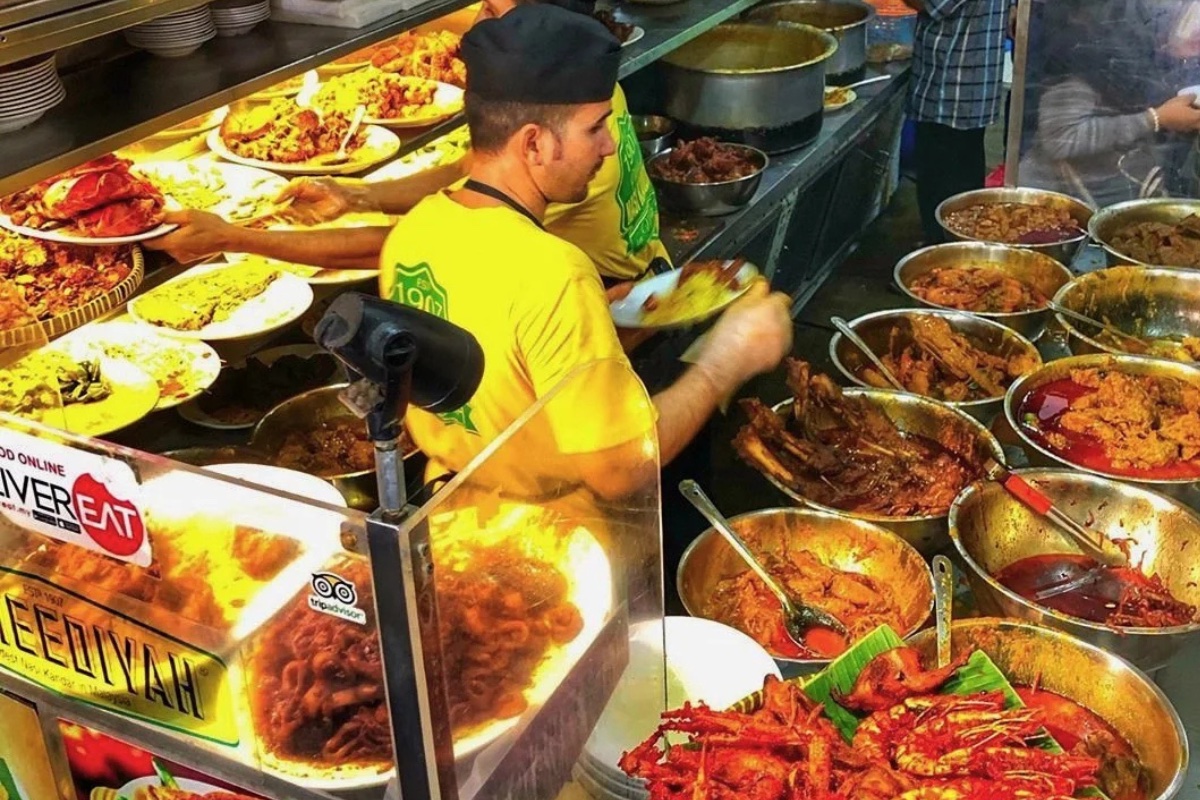
These are the hearty, deeply satisfying rice plates showcasing Penang’s incredible multicultural spice heritage. For the uninitiated, wandering into a specialist stall can be visually overwhelming, dazzled by dozens of stainless-steel trays, stacked high with an endless array of vibrant, simmering curries. These meals feature complex layers of dry spices, tender braised meats, and intensely thick gravies.
Nasi Kandar: An iconic Indian-Muslim creation where steamed white rice is dramatically “flooded” (banjir) with a chaotic but brilliant mixture of thick curries—ranging from dark, spiced beef to vibrant fish curry.
Nasi Lemak: Malaysia’s unofficial national dish—steamed, fragrant coconut milk rice tied together with a sweet and fiery sambal, accompanied by crispy fried anchovies, toasted peanuts, and often a rich rendang.